


- Home
- A-Z Catalogue
- Products
- Valves
- Cetop
- Manual Directional Valves
- Proportional Valves
- Poppet Valves
- High-Speed Linear Servo Valves
- All High-Speed Linear Servo Valves
- Cetop 10 (NG32) Two Stage Type High Speed Linear Servo Valves – LSVHG-10
- Cetop 10 (NG32) Two Stage Type High Speed Linear Servo Valves – LSVHG-10 (With Fail-Safe)
- Cetop 8 (NG25) Two Stage Type High Speed Linear Servo Valves – LSVHG-06
- Cetop 8 (NG25) Two Stage Type High Speed Linear Servo Valves – LSVHG-06 (With Fail-Safe)
- Cetop 7 (NG16) Two Stage Type High Speed Linear Servo Valves – LSVHG-04
- Cetop 7 (NG16) Two Stage Type High Speed Linear Servo Valves – LSVHG-04 (With Fail-Safe)
- Cetop 5 (NG10) Direct Type High Speed Linear Servo Valves – LSVG-03
- Cetop 5 (NG10) OBE Type Direct Operated Linear Servo Valves – LSVG-03-EH
- Cetop 3 (NG6) OBE Type Direct Operated Linear Servo Valves – LSVG-01-EH
- Pumps
- Pressure control
- Flow Control Valves
- Pressure Control Valves
- All Pressure Control Valves
- Brake Valves
- Direct Relief Valve
- Low Noise Solenoid Controlled Relief Valves
- Low Noise Pilot Operated Relief Valves
- Pilot Operated Relief Valves
- Pressure reducing and relieving valves
- Pressure reducing and check valves
- Pressure control valves
- Remote Control Relief Valves
- Solenoid Controlled Relief Valves – BSG
- Solenoid Controlled Relief Valves – BST
- Unloading relief valves
- Check valves
- Environmental
- Valves
- Hydraulic Systems
- Power pack
- About Us
- Contact
- Blog

2026 Best Bellows Sealed Gate Valve Suppliers
Choosing the right Bellows Sealed Gate Valve supplier in 2026 requires more than comparing prices or polished catalogs. These valves protect demanding systems from stem leakage, contamination, and repeated thermal cycling. In pharmaceutical, chemical, nuclear, and high-vacuum applications, one weak weld can create expensive downtime. The best suppliers therefore combine verified manufacturing experience with precise engineering control.
Richard W. Greene, a respected valve engineering author, offers a useful perspective: “A valve earns trust through repeatable performance, not attractive specifications.” This principle matters when reviewing bellows material, body construction, pressure class, seat design, and operating temperature. Reliable suppliers should provide traceable material certificates, documented pressure tests, helium leak results, and clear maintenance guidance. Their engineers should also understand installation details, including pipeline alignment and actuator sizing.
This 2026 supplier guide examines those practical differences. It considers product quality, customization capability, delivery consistency, technical support, and after-sales service. A strong supplier can recommend 316L stainless steel for clean service, but material selection still depends on media chemistry and temperature. Small details matter.
No supplier is perfect. Some companies offer excellent valves but limited documentation. Others provide fast delivery but weaker field support. That is where careful evaluation becomes necessary. Buyers should request samples, inspect test records, and ask how suppliers respond after installation. The most dependable Bellows Sealed Gate Valve partner is not always the largest name. It is the supplier that proves performance under real operating conditions.
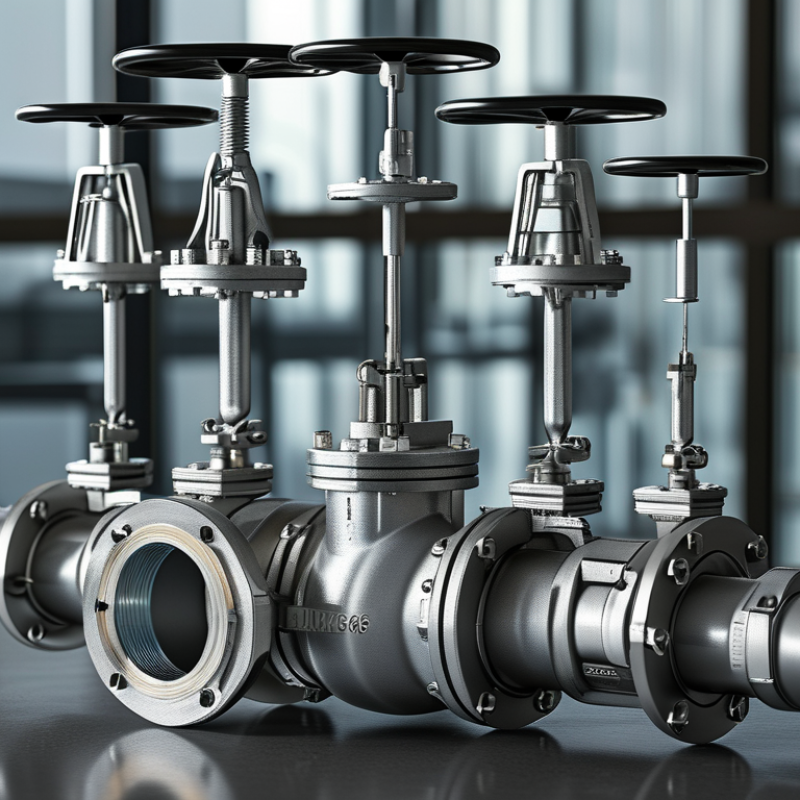
Table of Contents [Hide]
What Is a Bellows Sealed Gate Valve?
A bellows sealed gate valve is an isolation valve designed to stop process leakage through the stem area. It uses a flexible metal bellows between the stem and valve body. As the handwheel turns, the stem moves the gate while the bellows expands or compresses. This sealed barrier protects the surrounding atmosphere from fluid escaping along the stem. The gate normally moves perpendicular to the flow path. That design provides low resistance when fully open.
In practical inspections, I look closely at the bellows welds, stem alignment, and bonnet seal. Small installation stresses can shorten bellows life. The valve works well with toxic, corrosive, radioactive, or high-purity media where external leakage is unacceptable. It is also useful in vacuum service and hot process lines. However, it is not a universal solution. Frequent throttling can damage the gate and sealing surfaces. Slow operation is usually safer.
Choosing the right valve requires more than matching pipe size. Engineers should verify pressure, temperature, fluid chemistry, cycle frequency, and end connections. Bellows material must suit the process conditions. A common mistake is selecting a valve only by pressure rating. I have seen unsuitable designs fail because thermal movement was ignored. Maintenance teams should monitor operating torque and inspect for unusual stem movement. The bellows remains hidden, so its condition can be difficult to judge without proper testing.