


- Home
- A-Z Catalogue
- Products
- Valves
- Cetop
- Manual Directional Valves
- Proportional Valves
- Poppet Valves
- High-Speed Linear Servo Valves
- All High-Speed Linear Servo Valves
- Cetop 10 (NG32) Two Stage Type High Speed Linear Servo Valves – LSVHG-10
- Cetop 10 (NG32) Two Stage Type High Speed Linear Servo Valves – LSVHG-10 (With Fail-Safe)
- Cetop 8 (NG25) Two Stage Type High Speed Linear Servo Valves – LSVHG-06
- Cetop 8 (NG25) Two Stage Type High Speed Linear Servo Valves – LSVHG-06 (With Fail-Safe)
- Cetop 7 (NG16) Two Stage Type High Speed Linear Servo Valves – LSVHG-04
- Cetop 7 (NG16) Two Stage Type High Speed Linear Servo Valves – LSVHG-04 (With Fail-Safe)
- Cetop 5 (NG10) Direct Type High Speed Linear Servo Valves – LSVG-03
- Cetop 5 (NG10) OBE Type Direct Operated Linear Servo Valves – LSVG-03-EH
- Cetop 3 (NG6) OBE Type Direct Operated Linear Servo Valves – LSVG-01-EH
- Pumps
- Pressure control
- Flow Control Valves
- Pressure Control Valves
- All Pressure Control Valves
- Brake Valves
- Direct Relief Valve
- Low Noise Solenoid Controlled Relief Valves
- Low Noise Pilot Operated Relief Valves
- Pilot Operated Relief Valves
- Pressure reducing and relieving valves
- Pressure reducing and check valves
- Pressure control valves
- Remote Control Relief Valves
- Solenoid Controlled Relief Valves – BSG
- Solenoid Controlled Relief Valves – BST
- Unloading relief valves
- Check valves
- Environmental
- Valves
- Hydraulic Systems
- Power pack
- About Us
- Contact
- Blog

Best Warehouse WMS System in China for Global Buyers?
Choosing the Best Warehouse Wms System in China requires more than comparing software prices or counting dashboard features. Global buyers need reliable inventory visibility, multilingual support, API connectivity, and practical experience with cross-border fulfillment. A system should show the exact location of a carton, not merely display a green status icon.
Industry data supports this urgency. The 2024 MHI Annual Industry Report found that 55% of supply chain professionals planned to invest in robotics and automation. The report also highlighted continuing labor shortages and rising digitalization pressure. Gartner’s warehouse management research similarly positions WMS as a core platform for operational execution, analytics, and automation integration.
“WMS is the brain of the warehouse,” Gartner analyst Dwight Klappich has said. The statement is simple. The implementation is not.
China-based suppliers now offer cloud-native platforms, configurable workflows, barcode scanning, warehouse robotics integration, and real-time order allocation. However, “advanced” does not always mean suitable. A smaller importer may need stable receiving, batch control, and accurate export documentation more than artificial intelligence. That detail is easy to overlook.
This guide evaluates Warehouse WMS System providers in China through a global buyer’s lens. It considers deployment experience, data security, integration capability, after-sales service, total ownership cost, and measurable warehouse results. Case studies matter, but they require careful checking. Vendor claims can sound impressive. Your own product dimensions, peak-season orders, warehouse layout, and operator skills should decide the final choice. A perfect system may not exist. A dependable fit often does.
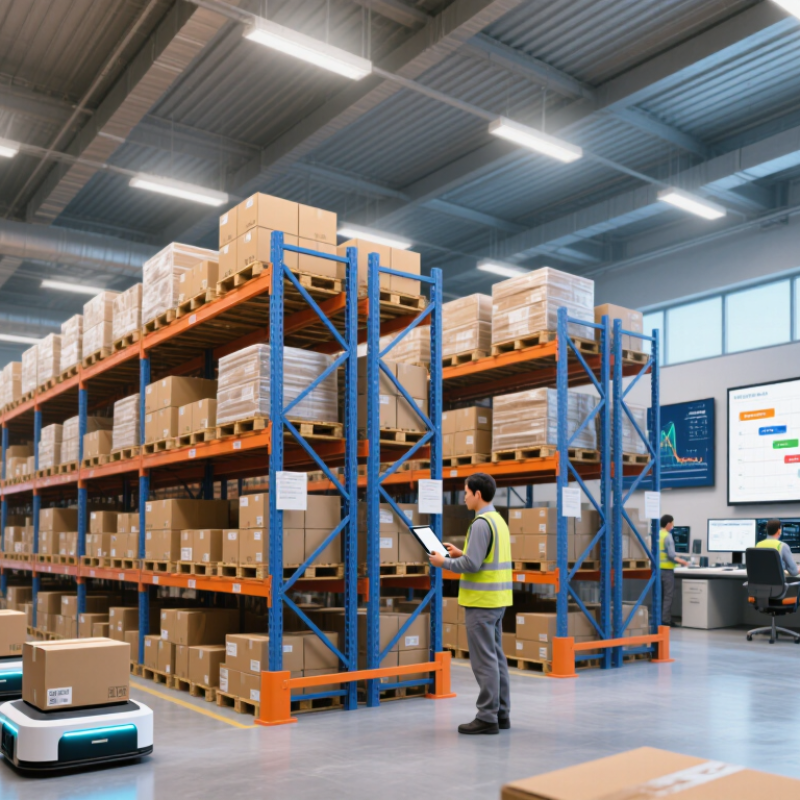
Table of Contents [Hide]
What Is a Warehouse WMS System in China?
A Warehouse WMS system in China is software that controls daily warehouse operations. It connects receiving, storage, picking, packing, and shipping in one digital workflow. Unlike a simple inventory spreadsheet, it records each product’s location, quantity, movement, and handling status.
In a Chinese warehouse, a clerk may scan cartons as they arrive, check purchase orders, and assign shelves through a handheld device. The system can recommend storage locations based on product size, turnover rate, or storage conditions. During picking, workers follow digital routes instead of searching through crowded aisles. Barcode scanning reduces manual errors, while real-time stock updates support overseas buyers and purchasing teams. Small details matter.
A reliable WMS should support multilingual interfaces, role-based permissions, audit records, and integration with ERP or order platforms. It should also handle different warehouse layouts, time zones, measurement units, and shipping workflows. From practical implementation experience, clean product data is just as important as the software itself. Poor item codes can create confusing reports and slow every process. Automation is not magic. Some deployments need repeated testing, staff training, and process changes before results become stable. Buyers should request sample workflows, data security details, and performance evidence before selecting a system. A short pilot with real products often reveals more than a polished demonstration.