


- Home
- A-Z Catalogue
- Products
- Valves
- Cetop
- Manual Directional Valves
- Proportional Valves
- Poppet Valves
- High-Speed Linear Servo Valves
- All High-Speed Linear Servo Valves
- Cetop 10 (NG32) Two Stage Type High Speed Linear Servo Valves – LSVHG-10
- Cetop 10 (NG32) Two Stage Type High Speed Linear Servo Valves – LSVHG-10 (With Fail-Safe)
- Cetop 8 (NG25) Two Stage Type High Speed Linear Servo Valves – LSVHG-06
- Cetop 8 (NG25) Two Stage Type High Speed Linear Servo Valves – LSVHG-06 (With Fail-Safe)
- Cetop 7 (NG16) Two Stage Type High Speed Linear Servo Valves – LSVHG-04
- Cetop 7 (NG16) Two Stage Type High Speed Linear Servo Valves – LSVHG-04 (With Fail-Safe)
- Cetop 5 (NG10) Direct Type High Speed Linear Servo Valves – LSVG-03
- Cetop 5 (NG10) OBE Type Direct Operated Linear Servo Valves – LSVG-03-EH
- Cetop 3 (NG6) OBE Type Direct Operated Linear Servo Valves – LSVG-01-EH
- Pumps
- Pressure control
- Flow Control Valves
- Pressure Control Valves
- All Pressure Control Valves
- Brake Valves
- Direct Relief Valve
- Low Noise Solenoid Controlled Relief Valves
- Low Noise Pilot Operated Relief Valves
- Pilot Operated Relief Valves
- Pressure reducing and relieving valves
- Pressure reducing and check valves
- Pressure control valves
- Remote Control Relief Valves
- Solenoid Controlled Relief Valves – BSG
- Solenoid Controlled Relief Valves – BST
- Unloading relief valves
- Check valves
- Environmental
- Valves
- Hydraulic Systems
- Power pack
- About Us
- Contact
- Blog

2026 Best Relief Valve Options for Optimal Performance and Safety
In industrial systems, relief valves play a critical role in maintaining safety and performance. According to a report by Engineering ToolBox, improper functioning of relief valves accounts for 30% of equipment failures in high-pressure systems. This highlights the necessity for selecting optimal relief valve options.
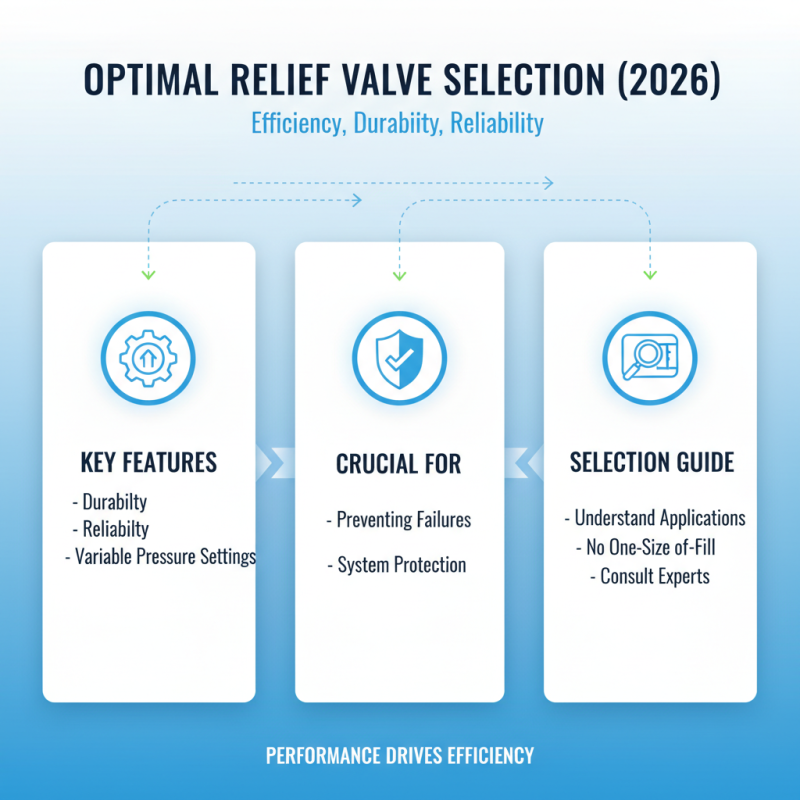
Choosing the right relief valve impacts overall system efficiency. A poorly chosen valve can lead to catastrophic failures and costly downtime. For instance, the American Society of Mechanical Engineers (ASME) emphasizes the importance of regular testing and appropriate sizing for both performance and safety. Many operators overlook maintenance, which can lead to serious accidents.
Evaluating the performance of relief valves is not just about specifications. It involves understanding the unique demands of each application. Data from recent studies show that nearly 25% of industries still use outdated valve models. This negligence can jeopardize an entire operation. Thus, the upcoming trends in relief valve technology deserve closer inspection.
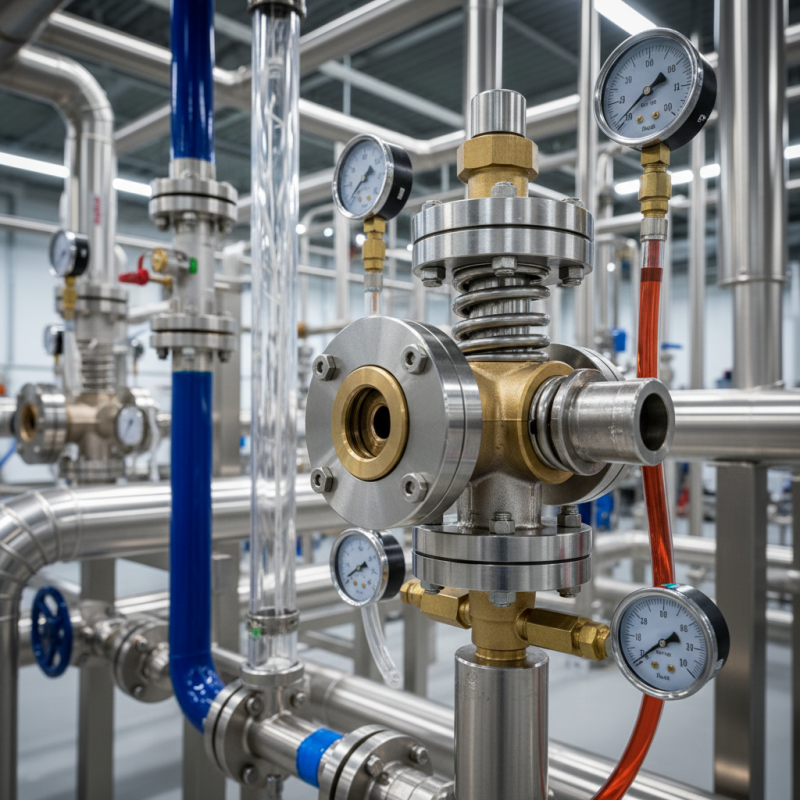
Table of Contents
[Hide]
Overview of Relief Valves and Their Importance in Safety
Relief valves play a crucial role in maintaining safety across various industries. These devices help prevent excessive pressure buildup, which can lead to catastrophic failures. According to a 2021 report from the American Society of Mechanical Engineers, pressure-related incidents are responsible for nearly 30% of industrial accidents. Effective relief valves can dramatically reduce this risk.
Proper sizing and selection of relief valves are vital. An under-sized valve may not relieve enough pressure, while an oversized valve may cause unnecessary disruptions. In fact, the National Board of Boiler and Pressure Vessel Inspectors states that improperly sized relief devices account for about 20% of malfunctions. Regular maintenance is also essential, as wear and tear can compromise valve performance. The industry recommends annual inspections to ensure that these devices function correctly.
Many facilities overlook the importance of proper installation. Misalignment or improper mounting can affect how well a relief valve performs. An alarming statistic from the Center for Chemical Process Safety indicates that incorrect installation is a contributing factor in 15% of pressure vessel failures. Understanding these nuances can lead to better safety outcomes and improve operational efficiency.
Related Posts
-
How to Choose the Right Hydraulic Unit for Your Industrial Needs
-

Top Benefits of Yuken Hydraulics for Industrial Applications?
-

What is Control Products and How They Enhance Efficiency in Industrial Applications
-

Exploring the Benefits of Yuken Directional Valves for Enhanced Hydraulic Performance
-
How to Choose the Right Hydraulic Power Unit for Your Needs?
-
What is a Pilot Operated Check Valve and How Does It Work in Hydraulic Systems