


- Home
- A-Z Catalogue
- Products
- Valves
- Cetop
- Manual Directional Valves
- Proportional Valves
- Poppet Valves
- High-Speed Linear Servo Valves
- All High-Speed Linear Servo Valves
- Cetop 10 (NG32) Two Stage Type High Speed Linear Servo Valves – LSVHG-10
- Cetop 10 (NG32) Two Stage Type High Speed Linear Servo Valves – LSVHG-10 (With Fail-Safe)
- Cetop 8 (NG25) Two Stage Type High Speed Linear Servo Valves – LSVHG-06
- Cetop 8 (NG25) Two Stage Type High Speed Linear Servo Valves – LSVHG-06 (With Fail-Safe)
- Cetop 7 (NG16) Two Stage Type High Speed Linear Servo Valves – LSVHG-04
- Cetop 7 (NG16) Two Stage Type High Speed Linear Servo Valves – LSVHG-04 (With Fail-Safe)
- Cetop 5 (NG10) Direct Type High Speed Linear Servo Valves – LSVG-03
- Cetop 5 (NG10) OBE Type Direct Operated Linear Servo Valves – LSVG-03-EH
- Cetop 3 (NG6) OBE Type Direct Operated Linear Servo Valves – LSVG-01-EH
- Pumps
- Pressure control
- Flow Control Valves
- Pressure Control Valves
- All Pressure Control Valves
- Brake Valves
- Direct Relief Valve
- Low Noise Solenoid Controlled Relief Valves
- Low Noise Pilot Operated Relief Valves
- Pilot Operated Relief Valves
- Pressure reducing and relieving valves
- Pressure reducing and check valves
- Pressure control valves
- Remote Control Relief Valves
- Solenoid Controlled Relief Valves – BSG
- Solenoid Controlled Relief Valves – BST
- Unloading relief valves
- Check valves
- Environmental
- Valves
- Hydraulic Systems
- Power pack
- About Us
- Contact
- Blog

Who Is the Best Sealed Micro Switch Manufacturer in China?
Who is the best Sealed Micro Switch manufacturer in China? The answer depends on application, operating environment, and evidence. A supplier serving home appliances may not suit industrial equipment or outdoor controls. The strongest choice is not always the largest factory. It is the manufacturer that consistently matches technical requirements, delivery expectations, and quality records.
A practical evaluation should begin with hands-on details. Request samples and inspect the seal, housing, terminals, actuator, and mounting points. Test switching force, travel, contact resistance, insulation performance, and electrical endurance. For dusty or wet environments, verify the claimed IP rating under recognized testing procedures. Ask about materials, mold control, automated assembly, batch inspection, and traceability. Certifications can support credibility, but they should not replace independent verification.
Look beyond the brochure. Review production capacity, tooling experience, engineering support, and response speed. A reliable Chinese manufacturer should explain tolerances clearly and provide controlled test data. Factory audits, sample comparisons, and small pilot orders can reveal hidden weaknesses. Still, no evaluation is perfect. A successful sample may not represent every production batch. Communication may also expose problems later. This guide compares leading manufacturers through practical experience, technical competence, quality assurance, customization ability, and customer reliability. The goal is not to crown a supplier without question. It is to identify the manufacturer offering the best verified fit for your specific Sealed Micro Switch project.
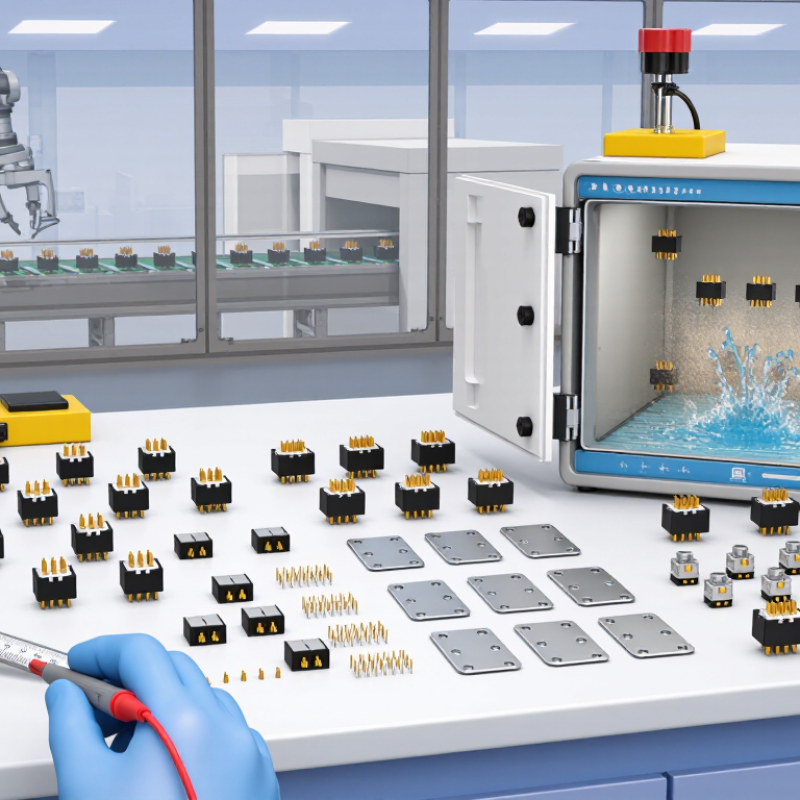
Table of Contents [Hide]
What Defines the Best Sealed Micro Switch Manufacturer in China?
What Defines the Best Sealed Micro Switch Manufacturer in China?
The best manufacturer is defined by verified performance, not catalogue variety. A sealed micro switch must resist dust, moisture, vibration, and repeated impact. IEC 60529 testing helps confirm the claimed IP protection level. However, an IP rating alone is not enough. The supplier should provide test conditions, sample quantities, and failure records. MarketsandMarkets’ 2024 industrial automation research identifies reliability and predictive maintenance as major purchasing priorities. That matters because one failed switch can stop an entire control panel.
Engineering experience also separates capable factories from ordinary assemblers. Look for controlled contact materials, stable sealing compounds, and traceable production batches. A professional manufacturer should measure operating force, travel, contact resistance, and electrical endurance. ISO 9001 certification supports process control, but certification does not guarantee every shipment. I have seen specifications look excellent while small details, such as cable bending radius, remained unclear. That is where careful review is necessary.
Tips: Request independent laboratory reports and real endurance curves. Ask whether testing reflects your voltage, current, temperature, and load type. Check incoming inspection records, not only polished samples. The best partner should discuss weaknesses openly. That honesty is useful. A supplier willing to revise tooling after field feedback shows practical expertise, stronger reliability, and long-term accountability.