7 Best Yuken Valve Suppliers for Global Buyers?
Global buyers rarely choose a hydraulic supplier by catalog size alone. A yuken valve must match pressure, flow, mounting, fluid compatibility, and service expectations. One incorrect code can delay a production line and complicate maintenance.
This guide examines seven Yuken valve suppliers serving international buyers. It considers product authenticity, technical documentation, export experience, response speed, warranty clarity, and replacement support. Supplier selection also requires practical checks. Look for readable datasheets, traceable model numbers, test records, and staff who can explain a circuit without hiding behind sales language. Small details matter. A clear quotation should state delivery terms, packaging, lead time, and inspection options.
The featured suppliers are not ranked only by price. A low offer can become expensive when seals arrive damaged, specifications remain uncertain, or technical questions wait for days. Regional stock can shorten downtime, while factory access may improve customization and batch consistency. Yet no supplier fits every application. Some serve mobile equipment well; others understand industrial presses, marine systems, or demanding automation environments.
Real purchasing work is less tidy than a comparison table. Product pages may be incomplete. Distributor status can change. Buyers should verify current authorization and confirm every critical specification before payment. We have included these limitations because reliability depends on evidence, not confident wording. Use this overview as a practical starting point for supplier interviews, sample evaluation, and risk control. The best choice is the supplier that communicates clearly, documents performance, and remains accountable after shipment.
What Are Yuken Valves and Where Are They Used?
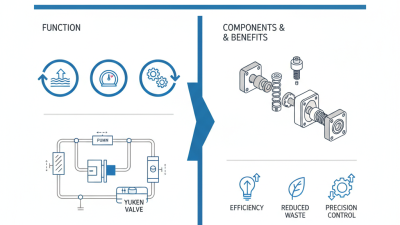
Hydraulic valves are precision components that control oil direction, pressure, and flow. They help convert pump power into controlled movement. A directional valve shifts a spool to send fluid toward an actuator. Pressure-control valves protect circuits from overload. Flow-control valves adjust cylinder or motor speed. Together, they coordinate lifting, clamping, pressing, and rotating operations.
These valves are common in machine tools, injection molding equipment, steel-processing lines, construction machinery, and automated production cells. On a hydraulic press, a valve can control a smooth downward stroke and a firm holding phase. In mobile equipment, it may manage a boom, bucket, or steering function. Clean oil matters greatly. Dust, water, or worn seals can cause sluggish movement and internal leakage.
For global buyers, selection should match pressure, flow rate, port size, mounting pattern, and operating temperature. Check the hydraulic diagram, not only the product photograph. A small mismatch can create noise, heat, or unstable motion. Compatibility with seals and fluids also deserves careful review. In practice, a valve may appear suitable yet fail after installation because contamination was overlooked. That weakness is easy to miss. Request test data, dimensional drawings, traceable specifications, and replacement-part support before purchase. Performance claims without measurable conditions should invite reflection.
How to Evaluate Yuken Valve Suppliers for Global Purchasing
Choosing among seven valve suppliers requires more than comparing catalog prices. Global buyers should verify pressure ratings, flow-control accuracy, seal materials, port standards, and operating temperatures against the actual equipment. Ask for dimensional drawings and performance curves, not only product photographs. ISO Survey 2022 recorded more than 1.2 million ISO 9001 certificates worldwide, yet certification alone does not prove valve quality. Review audit scope, calibration records, batch traceability, and nonconformance procedures.
Delivery reliability deserves equal attention. Request evidence of recent export shipments, average lead times, spare-part availability, and packaging suitable for humid or dusty routes. A supplier should explain how it handles engineering changes and warranty claims across time zones. Compare total landed cost, including testing, freight, duties, installation support, and possible downtime. Industry forecasts from MarketsandMarkets place the hydraulic valves market on a steady growth path through 2028, increasing pressure on suppliers to provide scalable support, not just low prices.
Tips: Send the same technical questionnaire to every candidate. Score each response against safety, documentation, lead time, and service criteria. A low quotation may hide weak testing or expensive replacements. I have seen procurement teams overvalue certificates and undervalue communication speed. That judgment can fail. Ask for one recent customer reference, but treat a polished reference cautiously. Independent inspection before shipment is often worthwhile for critical applications, although it adds cost and may slow delivery.
7 Best Yuken Valve Suppliers for International Buyers
International buyers need more than a long supplier list when sourcing hydraulic valves. The strongest suppliers provide clear product data, pressure ratings, flow ranges, and connection standards. They should support metric, BSP, or NPT requirements when needed. Reliable documentation reduces mistakes during installation and maintenance.
Check whether each supplier follows a documented quality process, such as ISO 9001 certification. Ask for inspection reports, material details, and sample test results before placing a large order. A serious supplier should explain seal materials, operating temperatures, delivery schedules, and warranty limits. Confirm whether the quoted price includes export packaging, insurance, and customs documents. A polished website is not proof of manufacturing capability. This is easy to forget.
Tips: Compare at least three suppliers using the same technical requirements. Request a video inspection of the warehouse or production line. Confirm the actual lead time, not only the advertised shipping time. Also check communication speed. A supplier that answers technical questions vaguely may create delays later.
International purchasing involves details that are easy to overlook. For example, a 24V DC coil may not match the buyer’s control system. A wrong thread standard can stop a complete assembly. Ask for dimensional drawings before approval. Keep written records of specifications, revisions, and acceptance criteria. Some suppliers may offer lower prices but weaker after-sales support. That trade-off deserves careful review. Even experienced buyers can miss one small specification.
How to Compare Product Quality, Pricing, Certifications, and Delivery
When comparing hydraulic valve suppliers, product quality should be verified beyond polished brochures. Request material certificates, pressure-test records, dimensional drawings, and serial-level traceability. ISO 9001 certification supports process control, but it does not prove every valve performs well. Ask for test results under your operating pressure, temperature, and fluid conditions. A small sample audit can reveal more than a long certificate list.
Pricing needs a total-cost view. Compare the valve, accessories, spare seals, inspection fees, packaging, freight, duties, and warranty terms. The lowest quotation may create expensive downtime later. In my experience, unclear exclusions cause more disputes than high prices. Request identical specifications from each supplier, then compare tolerances and service support line by line. An imperfect spreadsheet is still better than a perfect assumption.
Delivery deserves equal attention. UNCTAD reports that more than 80% of global merchandise trade moves by sea, so port delays can affect hydraulic projects significantly. Check production lead time, stock availability, export experience, and documented on-time delivery performance. The World Bank’s 2023 Logistics Performance Index also shows major differences in customs and shipment reliability across markets. Require a realistic shipping plan, agreed Incoterms, inspection points, and contingency stock for critical valves. Do not trust “ready to ship” without dated evidence. A supplier may be technically strong yet operationally unreliable. That distinction is easy to miss.
7 Best Yuken Valve Suppliers for Global Buyers?
How to Compare Product Quality, Pricing, Certifications, and Delivery
This neutral buyer framework prioritizes quality and compliance because hydraulic valve purchases require reliable performance, traceability, and documented conformity. Pricing and delivery should also be evaluated using landed cost, lead time, stock availability, minimum order quantity, and shipping terms. The percentages represent recommended evaluation weights rather than data from any specific company or brand.
What to Verify Before Ordering Yuken Valves Overseas
When ordering hydraulic valves overseas, verify the supplier before comparing prices. Ask for a current technical datasheet, product code, operating pressure, flow range, port size, and seal material. The code should match the nameplate, packaging, and shipping documents. Request clear photographs before dispatch. A vague reply is a warning sign.
Check whether the supplier can provide traceable stock records, inspection reports, and a written warranty. Confirm the manufacturing date, storage conditions, and whether the valve is new, refurbished, or unused surplus. Some suppliers describe old inventory as “new,” which can create expensive problems later. Ask how they test leakage and spool movement. If possible, require a short video showing the tested unit.
Overseas delivery also needs practical verification. Confirm voltage requirements for solenoid models, connector standards, thread types, and compatibility with your existing manifold. Request the packed dimensions, gross weight, export classification, and agreed delivery terms in writing. Use strong moisture protection for long sea transport. Inspect the crate immediately after arrival, including seals and serial markings. I once underestimated connector differences; the valve worked, but installation stopped for two days. That mistake was avoidable. Suppliers should explain replacement procedures, response times, and available technical support before payment. Clear records protect both sides.