How to Choose the Right Enclosed Power Supply for Your Needs?
Choosing the right enclosed power supply is crucial for various applications, from industrial to consumer electronics. The global enclosed power supply market is projected to grow by 5.9% annually through 2025, according to recent industry research. This growth indicates an increasing reliance on efficient and reliable power sources in numerous sectors.
Enclosed power supplies offer significant advantages, such as protection from environmental factors and enhanced safety features. However, selecting the appropriate model can be challenging. Factors like voltage, current, and thermal characteristics must be carefully considered. Approximately 58% of users report difficulties in finding the right specifications for their needs. This can lead to inefficiencies and potential equipment failure.
It's essential to evaluate your requirements critically. Industry reports suggest that power supply failure can cause downtime, costing businesses thousands of dollars. Balancing performance and reliability is key. Conducting thorough research and seeking expert advice can help avoid pitfalls in selection.
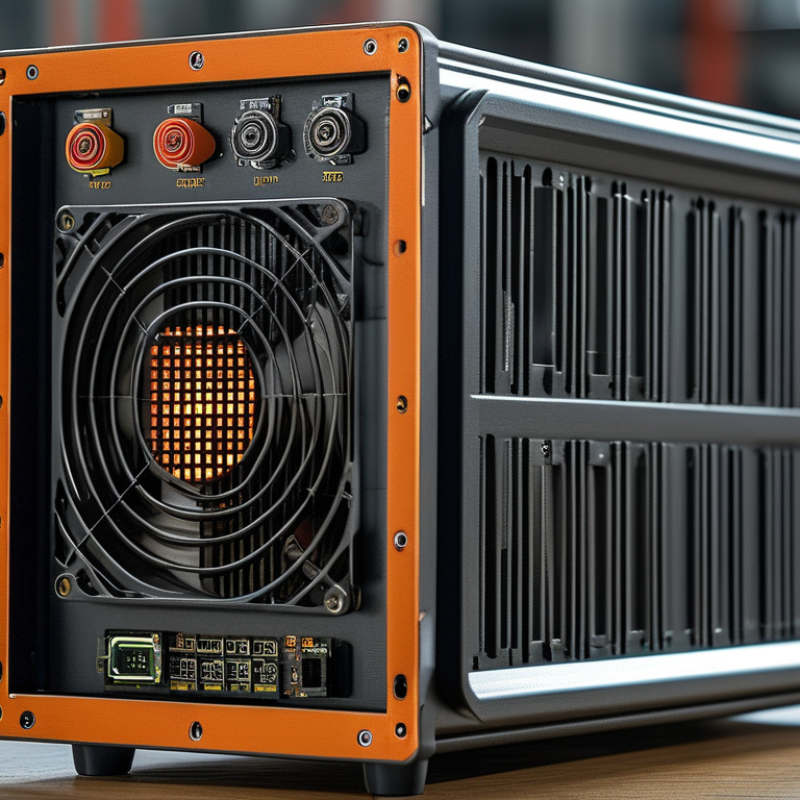
Understanding the Basics of Enclosed Power Supplies
Enclosed power supplies play a crucial role in various electronic applications. Understanding their basics can significantly impact your choice. These devices convert electrical energy into usable forms while providing safety and reliability. They come in several types, including linear and switching power supplies. Each type has its strengths and weaknesses.
When selecting an enclosed power supply, consider voltage and current ratings. You need to match these specifications to your project's requirements. Check the efficiency ratings, too. Higher efficiency means less energy waste and reduced heat generation. Many users overlook this aspect, leading to overheating issues.
Physical size is another important factor. Ensure that the power supply fits in your intended space. An overly large unit can complicate installation. Look for features such as short-circuit protection and over-voltage safeguards. These functions can enhance safety, but not all models include them. It’s wise to research carefully. A minor oversight can impact performance and longevity.
Identifying Your Power Requirements and Specifications
When selecting an enclosed power supply, it’s crucial to understand your specific power requirements. Start by analyzing the voltage and current needed for your devices. This information helps you gauge the wattage needed. For example, if you operate a device requiring 12V and 2A, you’ll need a supply capable of providing at least 24 watts. Always consider whether your needs might change over time, too.
Next, think about the environment where the power supply will be used. If it’s in a dusty or humid area, choose a supply with adequate protection ratings. This consideration is often overlooked but is essential for reliability. Additionally, evaluate the efficiency rating. Higher efficiency means less energy waste, which can save you money in the long run.
Don’t neglect the physical size and mounting options. An oversized power supply can make installation cumbersome. Each choice should reflect both immediate and future needs. Deciding which specifications are most important can be challenging. It often requires balancing performance with cost. Reflect on your unique scenario to make the best choice.
Evaluating Different Types of Enclosed Power Supplies
When selecting an enclosed power supply, it is essential to consider the various types available. Each type serves different applications and has unique features. For instance, some designs cater specifically to industrial environments, offering enhanced durability and efficiency. In contrast, other models focus on compact size and lightweight construction, ideal for consumer electronics.
Evaluating the input voltage range is also crucial. Some power supplies operate only at specific voltages. This can limit their use in different regions or applications. Additionally, consider the output power and current ratings. Insufficient power can lead to device failure. Poor choices may necessitate costly replacements. Moreover, safety certifications are vital. They indicate reliability and compliance with industry standards.
While you may find choices overwhelming, understanding your requirements is key. Reflecting on the environment and conditions in which the power supply will operate can prevent costly errors. Take the time to weigh your options carefully. Making informed decisions often yields long-term benefits, even if the process feels tedious.
Power Supply Efficiency Ratings
This chart illustrates the efficiency ratings of different types of enclosed power supplies. A higher efficiency rating indicates better performance and less energy wastage, which should be a key consideration when selecting a power supply for your needs.
Assessing the Environmental Conditions and Safety Ratings
When selecting an enclosed power supply, environmental conditions and safety ratings are crucial. Different applications demand different features. Consider humidity levels, temperature fluctuations, and exposure to dust. High humidity might corrode components. Extreme temperatures affect performance. Evaluate your specific needs carefully.
Tips: Always check the IP rating. An IP65 rating indicates protection against dust and water. This can extend the lifespan of the power supply in challenging environments. Do not overlook safety features. Look for compliance certifications like CE, UL, or RoHS. These ensure the product meets safety standards.
In some cases, power supplies may not perform as expected. Watch for overheating or failure under load. These issues highlight the importance of testing in your intended environment. Consider using thermal management solutions, like ventilation or heat sinks. They prevent overheating and ensure reliability, especially in tight spaces. Use tools to monitor voltage stability and performance regularly.
Comparing Brands and Warranty Options for Quality Assurance
When selecting an enclosed power supply, brand reputation and warranty options can significantly impact your decision. According to industry reports, about 30% of users encounter power supply failures within the first two years. This statistic highlights the importance of investing in a reliable product. Brands with established histories often provide better components and technology, which leads to enhanced durability.
Consider brands offering at least a three-year warranty. This commitment demonstrates the confidence of manufacturers in their products. Look for models that have undergone rigorous testing, ensuring compliance with safety standards. A longer warranty often indicates superior build quality, which can be crucial for projects requiring consistent performance.
**Tips:** Research customer reviews to gauge real-world experiences. Pay attention to any recurring issues reported. Also, remember that the lowest price does not guarantee the best choice. A balance of quality and cost ensures longevity. Look for certifications that speak to reliability, such as UL and CE standards. Investing time in evaluating brands can save you from potential failures down the line.
How to Choose the Right Enclosed Power Supply for Your Needs? - Comparing Brands and Warranty Options for Quality Assurance
| Specifications | Power Output (W) | Input Voltage (V) | Efficiency (%) | Warranty (Years) |
| Model A | 300 | 100-240 | 85 | 5 |
| Model B | 500 | 100-240 | 90 | 3 |
| Model C | 750 | 100-265 | 92 | 4 |
| Model D | 1000 | 90-260 | 88 | 6 |