


- Home
- A-Z Catalogue
- Products
- Valves
- Cetop
- Manual Directional Valves
- Proportional Valves
- Poppet Valves
- High-Speed Linear Servo Valves
- All High-Speed Linear Servo Valves
- Cetop 10 (NG32) Two Stage Type High Speed Linear Servo Valves – LSVHG-10
- Cetop 10 (NG32) Two Stage Type High Speed Linear Servo Valves – LSVHG-10 (With Fail-Safe)
- Cetop 8 (NG25) Two Stage Type High Speed Linear Servo Valves – LSVHG-06
- Cetop 8 (NG25) Two Stage Type High Speed Linear Servo Valves – LSVHG-06 (With Fail-Safe)
- Cetop 7 (NG16) Two Stage Type High Speed Linear Servo Valves – LSVHG-04
- Cetop 7 (NG16) Two Stage Type High Speed Linear Servo Valves – LSVHG-04 (With Fail-Safe)
- Cetop 5 (NG10) Direct Type High Speed Linear Servo Valves – LSVG-03
- Cetop 5 (NG10) OBE Type Direct Operated Linear Servo Valves – LSVG-03-EH
- Cetop 3 (NG6) OBE Type Direct Operated Linear Servo Valves – LSVG-01-EH
- Pumps
- Pressure control
- Flow Control Valves
- Pressure Control Valves
- All Pressure Control Valves
- Brake Valves
- Direct Relief Valve
- Low Noise Solenoid Controlled Relief Valves
- Low Noise Pilot Operated Relief Valves
- Pilot Operated Relief Valves
- Pressure reducing and relieving valves
- Pressure reducing and check valves
- Pressure control valves
- Remote Control Relief Valves
- Solenoid Controlled Relief Valves – BSG
- Solenoid Controlled Relief Valves – BST
- Unloading relief valves
- Check valves
- Environmental
- Valves
- Hydraulic Systems
- Power pack
- About Us
- Contact
- Blog

How to Choose the Right Hydraulic Unit for Your Industrial Needs
When choosing the right hydraulic unit for your industrial needs, it is imperative to consider several factors that ensure optimal performance and efficiency. According to the International Fluid Power Society (IFPS), the global hydraulic equipment market is projected to reach $50 billion by 2026, with hydraulic units being a critical component in various sectors such as manufacturing, construction, and automotive industries. The right hydraulic unit not only enhances productivity but also contributes to energy savings, with reports indicating that properly selected hydraulic systems can reduce energy consumption by up to 30%.
Furthermore, the integration of advanced technology in hydraulic units has led to significant improvements in control, efficiency, and reliability. Research from the Software & Information Industry Association (SIIA) highlights that industries utilizing smart hydraulic systems experience a reduction in operational downtime by approximately 20%, translating to cost savings and improved workflow efficiency. Therefore, understanding your specific requirements, including the operating environment and application demands, becomes essential in selecting the most suitable hydraulic unit that aligns with your operational goals and drives overall performance.
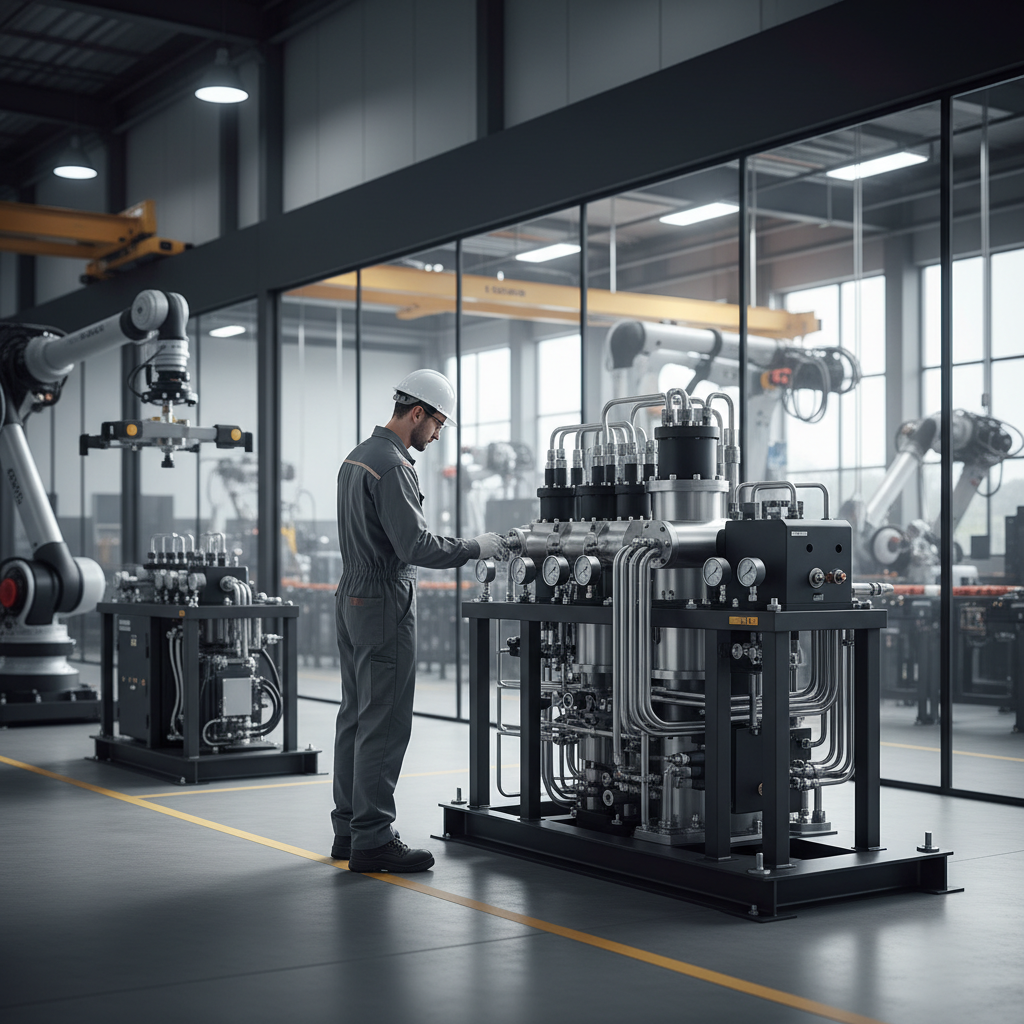
Table of Contents
[Hide]
Key Features to Evaluate in Hydraulic Units for Industrial Applications
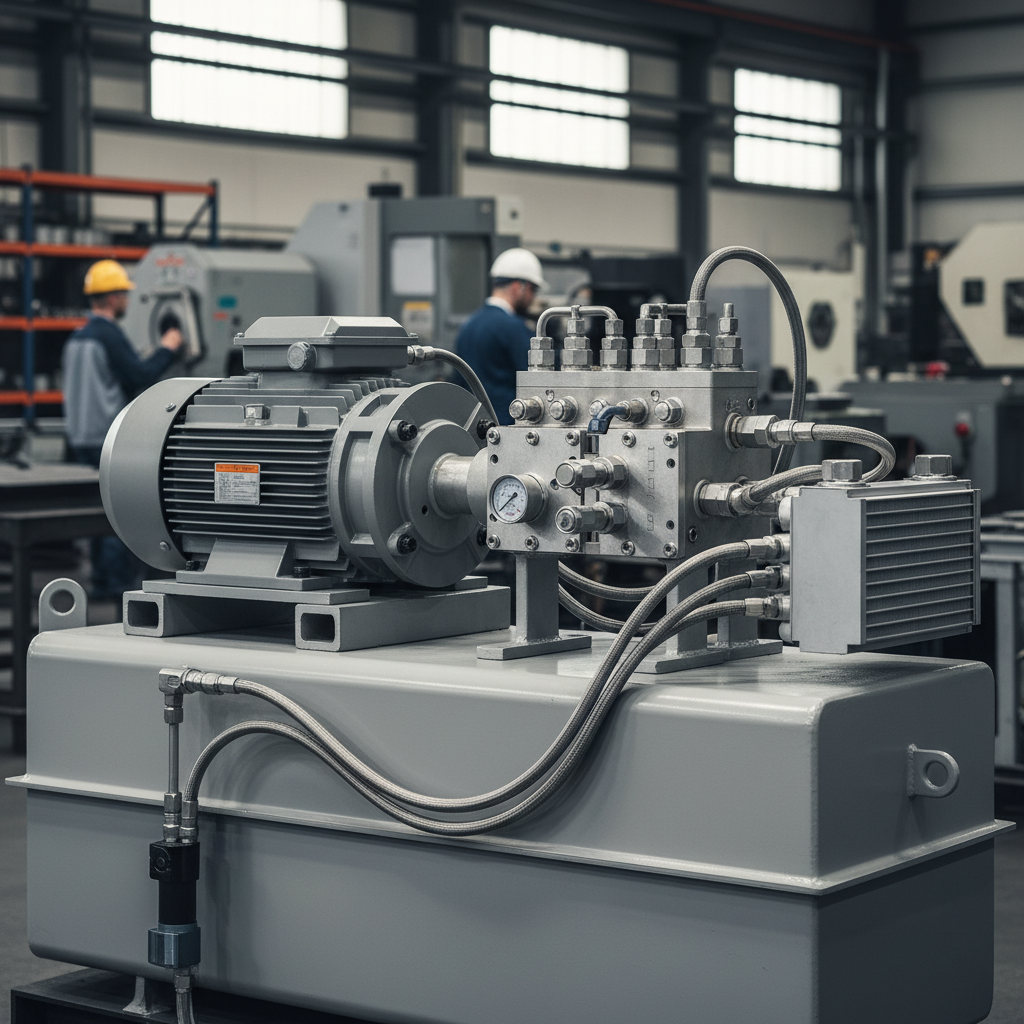
When selecting a hydraulic unit for industrial applications, evaluating key features is essential to ensure optimal performance and compatibility with your specific needs. First, consider the unit's pressure capabilities. The maximum pressure rating should align with the demands of your machinery or process to prevent failures or inefficiencies. Additionally, the flow rate is critical; a unit should provide sufficient hydraulic fluid flow to maintain productivity without overstressing the system.
Another vital feature is the type of pump used in the hydraulic unit. Different applications may require gear, piston, or vane pumps, each offering unique advantages in terms of efficiency and durability. Furthermore, the unit's size and weight can influence installation and operational flexibility, especially in tight or mobile environments. Also, assess the compatibility of the hydraulic unit with existing hydraulic fluids, as using the wrong type can lead to system damage. Overall, thorough evaluation of these features will guide you in selecting the right hydraulic unit tailored for your industrial requirements.

Related Posts
-
The Essential Guide to Understanding Hydraulic Power Packs in Industrial Applications
-
2025 Top 5 Proportional Valves to Enhance Your Industrial Efficiency
-

Exploring the Benefits of Advanced Hydraulic Directional Valves for Efficient Fluid Control
-

Understanding the Role of Hydraulic Valves in Modern Industrial Applications
-

Understanding the Importance of Hydraulic Flow Control Valves in Modern Industrial Applications
-
Understanding the Importance of Hydraulic Pressure Control Valves in Modern Industrial Applications