


- Home
- A-Z Catalogue
- Products
- Valves
- Cetop
- Manual Directional Valves
- Proportional Valves
- Poppet Valves
- High-Speed Linear Servo Valves
- All High-Speed Linear Servo Valves
- Cetop 10 (NG32) Two Stage Type High Speed Linear Servo Valves – LSVHG-10
- Cetop 10 (NG32) Two Stage Type High Speed Linear Servo Valves – LSVHG-10 (With Fail-Safe)
- Cetop 8 (NG25) Two Stage Type High Speed Linear Servo Valves – LSVHG-06
- Cetop 8 (NG25) Two Stage Type High Speed Linear Servo Valves – LSVHG-06 (With Fail-Safe)
- Cetop 7 (NG16) Two Stage Type High Speed Linear Servo Valves – LSVHG-04
- Cetop 7 (NG16) Two Stage Type High Speed Linear Servo Valves – LSVHG-04 (With Fail-Safe)
- Cetop 5 (NG10) Direct Type High Speed Linear Servo Valves – LSVG-03
- Cetop 5 (NG10) OBE Type Direct Operated Linear Servo Valves – LSVG-03-EH
- Cetop 3 (NG6) OBE Type Direct Operated Linear Servo Valves – LSVG-01-EH
- Pumps
- Pressure control
- Flow Control Valves
- Pressure Control Valves
- All Pressure Control Valves
- Brake Valves
- Direct Relief Valve
- Low Noise Solenoid Controlled Relief Valves
- Low Noise Pilot Operated Relief Valves
- Pilot Operated Relief Valves
- Pressure reducing and relieving valves
- Pressure reducing and check valves
- Pressure control valves
- Remote Control Relief Valves
- Solenoid Controlled Relief Valves – BSG
- Solenoid Controlled Relief Valves – BST
- Unloading relief valves
- Check valves
- Environmental
- Valves
- Hydraulic Systems
- Power pack
- About Us
- Contact
- Blog

How to Choose a Lightning Arrester in 2026?
In 2026, choosing a Lightning Arrester requires more than comparing discharge-current ratings. Modern installations combine rooftop solar, battery systems, data networks, and sensitive control equipment. Each addition changes the path that surge energy may follow. A device protecting a factory motor may not suit a hospital imaging room. The right choice begins with the building’s voltage system, earthing arrangement, exposure level, and equipment value. It also considers temporary overvoltage, regional lightning activity, and available maintenance quality. Small details matter. A loose bonding conductor can undermine an otherwise capable arrester.
This guide translates engineering practice into practical decisions. It explains key ratings, protection zones, response behavior, coordination, installation distance, and inspection needs. It also highlights evidence that deserves attention, including test reports, manufacturer documentation, and certification from recognized bodies. Field experience shows that selection errors often come from incomplete site information, not difficult mathematics. That is easy to overlook. No method is flawless. Local conditions, aging components, and undocumented modifications can change the risk after installation. Readers should verify recommendations against current standards, project specifications, and advice from qualified electrical professionals. A careful review of cable routing and bonding may reveal more than a glossy product brochure. The goal is not to choose the strongest-looking device. It is to choose a coordinated, maintainable solution that limits dangerous surge energy without creating new weaknesses.
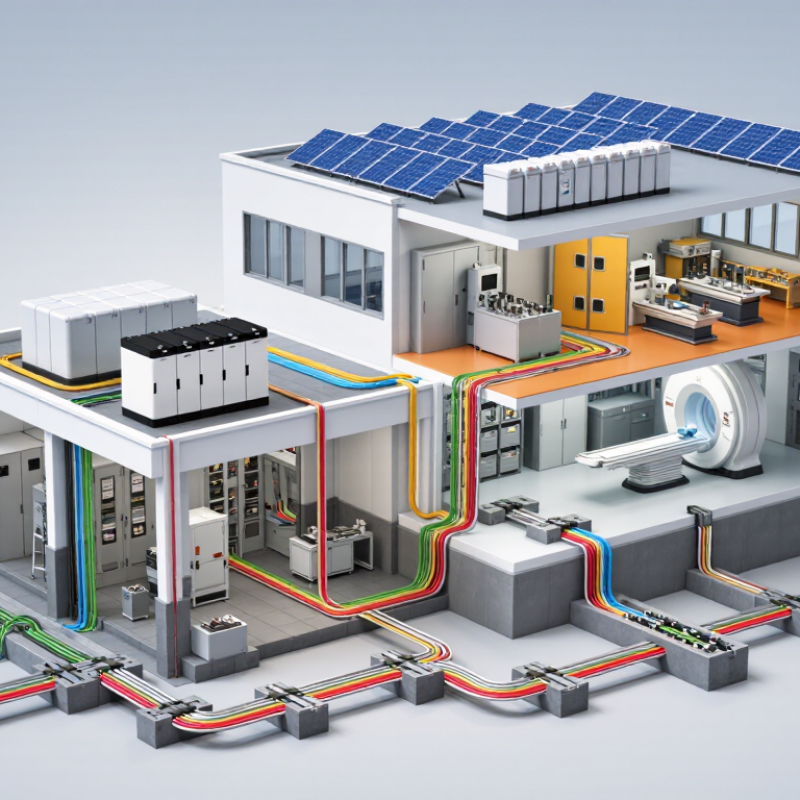
Table of Contents [Hide]
Lightning Arresters: Purpose, Function, and Protection Principles
How to Choose a Lightning Arrester in 2026?
A lightning arrester protects electrical equipment from dangerous transient overvoltages. It does not stop lightning from forming. Instead, it provides a controlled path toward earth when voltage rises sharply. Modern arresters commonly use metal-oxide varistors. These components remain highly resistant during normal operation. During a surge, their resistance drops within microseconds. The surge current then flows away from transformers, switchgear, cables, and control systems.
Selection should begin with the system’s maximum continuous operating voltage. The arrester’s voltage rating must suit the network, grounding method, and temporary overvoltage conditions. Insulation coordination matters too. A device with insufficient discharge capacity may fail during repeated or high-energy surges.
Check nominal discharge current, residual voltage, energy class, housing protection, and pollution resistance. Installation location is equally important. Long connecting conductors can add inductive voltage and weaken protection. Keep the path short, straight, and properly bonded.
Field inspections often reveal a simple problem: the arrester is suitable, but poorly installed. That detail is easy to overlook. Inspectors should check leakage current, grounding continuity, thermal disconnection, and signs of moisture or cracking. Remote monitoring can help identify aging before failure, although it is not a substitute for testing. No selection is perfect. Lightning exposure, soil conditions, and equipment sensitivity can change over time. A careful design review should question old assumptions, especially after network expansion or unusual surge damage.