


- Home
- A-Z Catalogue
- Products
- Valves
- Cetop
- Manual Directional Valves
- Proportional Valves
- Poppet Valves
- High-Speed Linear Servo Valves
- All High-Speed Linear Servo Valves
- Cetop 10 (NG32) Two Stage Type High Speed Linear Servo Valves – LSVHG-10
- Cetop 10 (NG32) Two Stage Type High Speed Linear Servo Valves – LSVHG-10 (With Fail-Safe)
- Cetop 8 (NG25) Two Stage Type High Speed Linear Servo Valves – LSVHG-06
- Cetop 8 (NG25) Two Stage Type High Speed Linear Servo Valves – LSVHG-06 (With Fail-Safe)
- Cetop 7 (NG16) Two Stage Type High Speed Linear Servo Valves – LSVHG-04
- Cetop 7 (NG16) Two Stage Type High Speed Linear Servo Valves – LSVHG-04 (With Fail-Safe)
- Cetop 5 (NG10) Direct Type High Speed Linear Servo Valves – LSVG-03
- Cetop 5 (NG10) OBE Type Direct Operated Linear Servo Valves – LSVG-03-EH
- Cetop 3 (NG6) OBE Type Direct Operated Linear Servo Valves – LSVG-01-EH
- Pumps
- Pressure control
- Flow Control Valves
- Pressure Control Valves
- All Pressure Control Valves
- Brake Valves
- Direct Relief Valve
- Low Noise Solenoid Controlled Relief Valves
- Low Noise Pilot Operated Relief Valves
- Pilot Operated Relief Valves
- Pressure reducing and relieving valves
- Pressure reducing and check valves
- Pressure control valves
- Remote Control Relief Valves
- Solenoid Controlled Relief Valves – BSG
- Solenoid Controlled Relief Valves – BST
- Unloading relief valves
- Check valves
- Environmental
- Valves
- Hydraulic Systems
- Power pack
- About Us
- Contact
- Blog

How to Choose an Automatic BOV Aerosol Filling Machine?
Choosing an Automatic BOV Aerosol Filling Machine requires more than comparing speed, price, and attractive product photos. On a real production floor, small details often decide long-term performance. A clean stainless-steel frame matters. So does stable dosing.
This guide explains how to evaluate machine structure, filling accuracy, bag placement, crimping quality, propellant handling, and control systems. It also considers container sizes, product viscosity, line compatibility, and future production changes. A machine designed for liquid products may struggle with thicker formulas. That difference can create leaks, inconsistent weights, or costly downtime.
Look closely at the supplier’s technical evidence. Ask for filling tolerance data, tested container specifications, maintenance instructions, and documented safety features. Factory acceptance testing can reveal problems before shipment. Operator training should not be treated as an optional extra. Clear alarms and accessible components reduce mistakes during busy shifts.
A brochure is not proof.
From practical equipment evaluations, I have learned that the fastest machine is not always the best investment. A slower system with accurate dosing and dependable changeover may produce better results over several years. However, every application is different, and published specifications may not match your formula or packaging design. Sample testing remains essential.
The right Automatic BOV Aerosol Filling Machine should support consistent quality, safe operation, regulatory compliance, and measurable productivity. Compare suppliers carefully. Request references when possible. Then choose equipment that fits your actual process, not an idealized sales presentation.
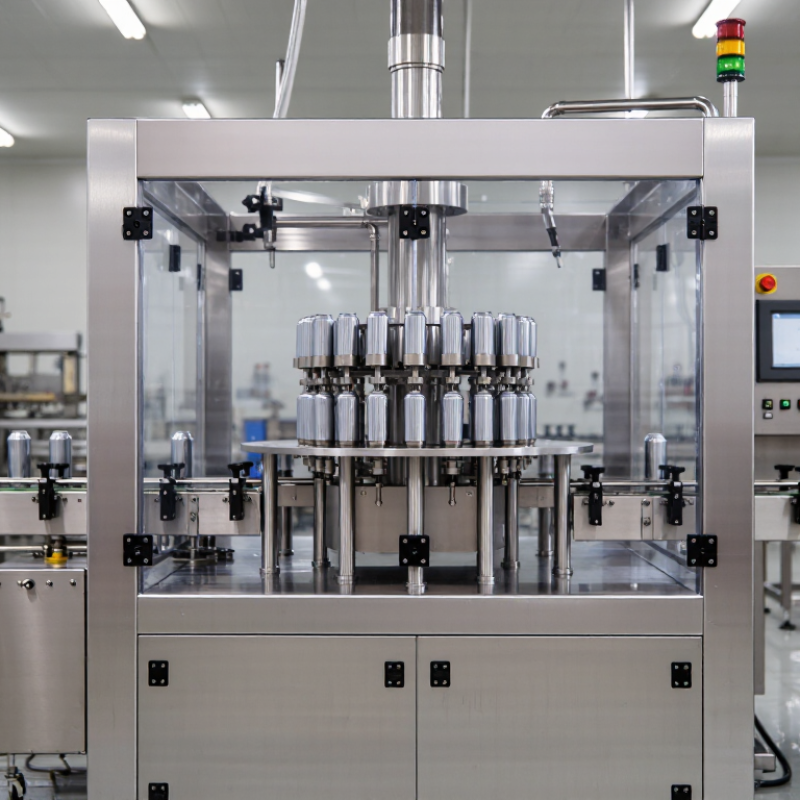
Table of Contents [Hide]
Understand How Automatic BOV Aerosol Filling Machines Work
How to Choose an Automatic BOV Aerosol Filling Machine?
An automatic BOV aerosol filling machine separates the product from the propellant. The product enters a flexible bag inside the can. Pressurized air or another approved propellant surrounds that bag. When the actuator opens, pressure squeezes the bag and releases the product evenly. No direct propellant contact occurs.
The filling cycle normally includes can loading, bag insertion, product dosing, valve placement, crimping, propellant charging, and leak testing. Sensors check can position and filling pressure during each step. A programmable control system records key settings for repeatable production. Operators should inspect dosing pumps, sealing heads, and pressure gauges regularly. Small faults can create large quality problems.
Watch the details.
When choosing equipment, match its filling range to your container size and product viscosity. A machine designed for thin liquids may struggle with creams or gels. Ask for test runs using your actual formula and packaging components. Check whether the system allows simple cleaning and tool changes. In practical installations, the first setup is rarely perfect. Line speed may need adjustment after observing foam, leakage, or uneven discharge. Reliable suppliers should provide clear manuals, training, safety features, and maintenance support. A well-designed machine improves consistency, but skilled operation still matters.