


- Home
- A-Z Catalogue
- Products
- Valves
- Cetop
- Manual Directional Valves
- Proportional Valves
- Poppet Valves
- High-Speed Linear Servo Valves
- All High-Speed Linear Servo Valves
- Cetop 10 (NG32) Two Stage Type High Speed Linear Servo Valves – LSVHG-10
- Cetop 10 (NG32) Two Stage Type High Speed Linear Servo Valves – LSVHG-10 (With Fail-Safe)
- Cetop 8 (NG25) Two Stage Type High Speed Linear Servo Valves – LSVHG-06
- Cetop 8 (NG25) Two Stage Type High Speed Linear Servo Valves – LSVHG-06 (With Fail-Safe)
- Cetop 7 (NG16) Two Stage Type High Speed Linear Servo Valves – LSVHG-04
- Cetop 7 (NG16) Two Stage Type High Speed Linear Servo Valves – LSVHG-04 (With Fail-Safe)
- Cetop 5 (NG10) Direct Type High Speed Linear Servo Valves – LSVG-03
- Cetop 5 (NG10) OBE Type Direct Operated Linear Servo Valves – LSVG-03-EH
- Cetop 3 (NG6) OBE Type Direct Operated Linear Servo Valves – LSVG-01-EH
- Pumps
- Pressure control
- Flow Control Valves
- Pressure Control Valves
- All Pressure Control Valves
- Brake Valves
- Direct Relief Valve
- Low Noise Solenoid Controlled Relief Valves
- Low Noise Pilot Operated Relief Valves
- Pilot Operated Relief Valves
- Pressure reducing and relieving valves
- Pressure reducing and check valves
- Pressure control valves
- Remote Control Relief Valves
- Solenoid Controlled Relief Valves – BSG
- Solenoid Controlled Relief Valves – BST
- Unloading relief valves
- Check valves
- Environmental
- Valves
- Hydraulic Systems
- Power pack
- About Us
- Contact
- Blog

How to Choose the Right Directional Control Valve for Your Project
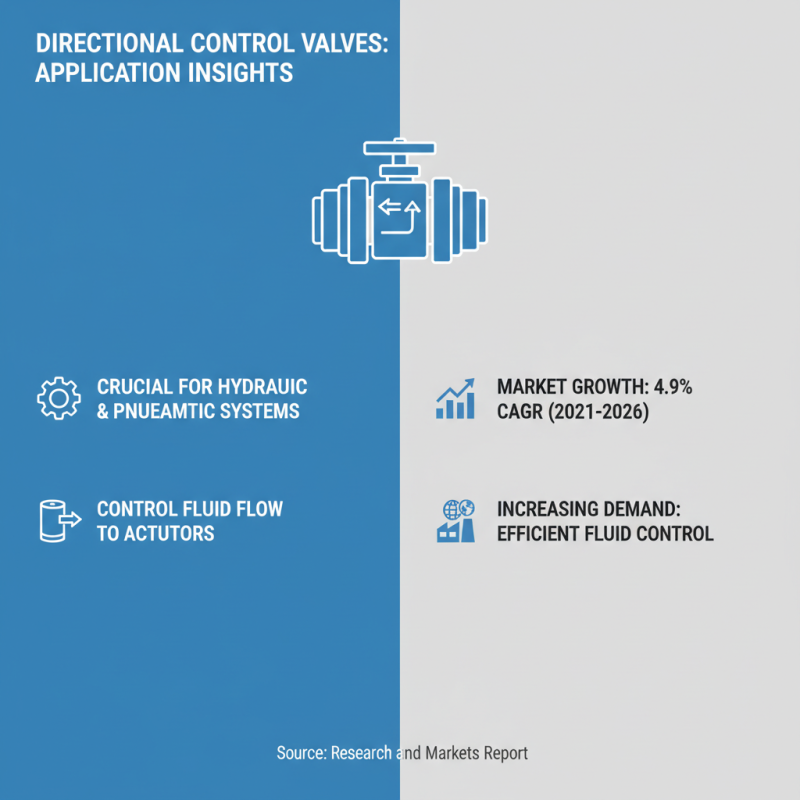
Choosing the right directional control valve for your project is a critical decision that can significantly impact the efficiency and performance of hydraulic systems. According to a recent report by the International Hydraulics Association, directional control valves represent approximately 30% of the total market share in hydraulic components, highlighting their importance in the industry. As industries continue to modernize and demand for efficient fluid control systems grows, understanding how to select the appropriate valve becomes paramount.
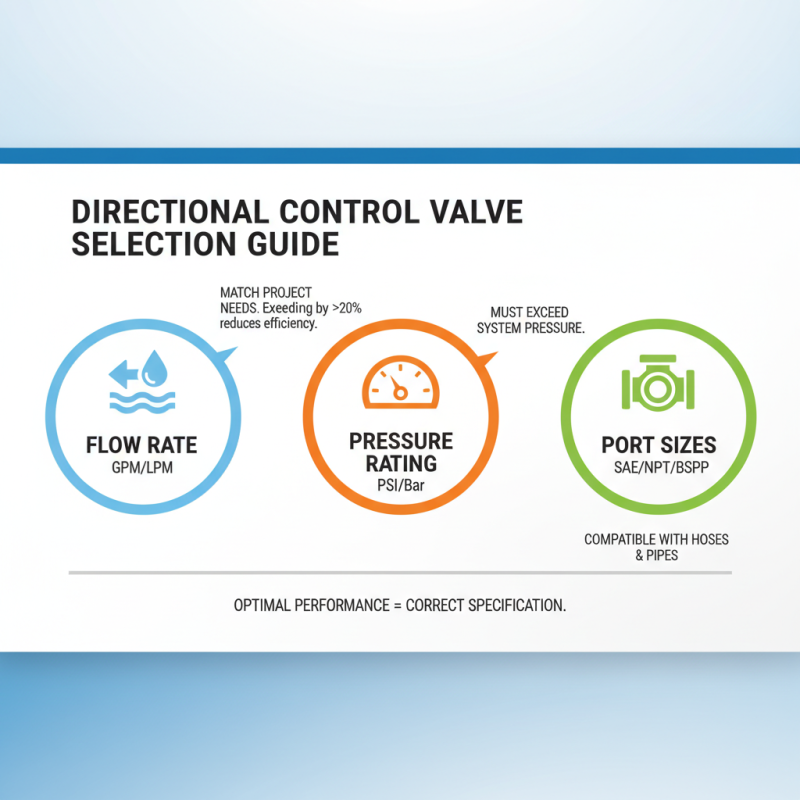
Industry experts like Dr. Emily Chen, a leading figure in fluid power technology, emphasize the importance of making informed choices when it comes to directional control valves: “The right valve can enhance system responsiveness and reduce energy consumption, making it an indispensable component of any hydraulic application.” With a wealth of options available, it is essential to consider factors such as flow rate, pressure ratings, and actuation method to ensure the selected valve meets the specific requirements of your project. This introduction sets the stage for exploring the various considerations and best practices for selecting directional control valves that align with your operational needs.

Table of Contents
[Hide]
Understanding Directional Control Valves: Key Concepts and Types
Directional control valves play a crucial role in hydraulic systems, determining the flow path of the fluid within the system. Understanding the types and functions of these valves is essential for selecting the right valve for any project. There are several key types of directional control valves, including spool valves, poppet valves, and rotary valves. Each type has distinct operational characteristics and is suitable for different applications. According to a recent industry report, spool valves are frequently used due to their reliability and versatility, accounting for approximately 50% of the market share in hydraulic applications.
When choosing a directional control valve, it is important to consider several factors, such as the number of positions, the number of ways, and the required flow rates. A dual-spool valve, for example, can control multiple actuators and is ideal for applications requiring precise control over multiple hydraulic functions. Moreover, the response time and pressure ratings should align with the demands of your system. The market research indicates a growing trend towards more sophisticated valves that integrate digital control for enhanced performance and energy efficiency.
Tips: Always assess the system's specifications before selecting a valve. Ensure to account for the maximum flow and pressure requirements, as well as the temperature and viscosity of the fluid. Additionally, consult with industry experts if unsure, as the right choice can significantly impact the efficiency and reliability of your hydraulic system.
How to Choose the Right Directional Control Valve for Your Project - Understanding Directional Control Valves: Key Concepts and Types
| Valve Type | Actuation Method | Pressure Rating (psi) | Flow Rate (GPM) | Application |
|---|---|---|---|---|
| 4/2 Way Valve | Manual | 2500 | 20 | Cylinders |
| 3/2 Way Valve | Electric | 3000 | 25 | Plumbing |
| 4/3 Way Valve | Pneumatic | 4000 | 30 | Industrial Automation |
| Load Sensing Valve | Hydraulic | 5000 | 15 | Construction Equipment |
| Check Valve | Automatic | 2000 | 40 | Fluid Control |
Related Posts
-

Exploring the Benefits of Advanced Hydraulic Directional Valves for Efficient Fluid Control
-
Understanding the Role of Hydraulic Valves in Modern Industrial Applications
-
Understanding the Importance of Hydraulic Pressure Control Valves in Modern Industrial Applications
-
The Essential Guide to Understanding Pressure Relief Valves: Safety and Function Explained
-

7 Essential Tips for Mastering Hydraulic Controls in Your Projects
-
2025 How to Choose the Best Yuken Valve for Your Hydraulic System