


- Home
- A-Z Catalogue
- Products
- Valves
- Cetop
- Manual Directional Valves
- Proportional Valves
- Poppet Valves
- High-Speed Linear Servo Valves
- All High-Speed Linear Servo Valves
- Cetop 10 (NG32) Two Stage Type High Speed Linear Servo Valves – LSVHG-10
- Cetop 10 (NG32) Two Stage Type High Speed Linear Servo Valves – LSVHG-10 (With Fail-Safe)
- Cetop 8 (NG25) Two Stage Type High Speed Linear Servo Valves – LSVHG-06
- Cetop 8 (NG25) Two Stage Type High Speed Linear Servo Valves – LSVHG-06 (With Fail-Safe)
- Cetop 7 (NG16) Two Stage Type High Speed Linear Servo Valves – LSVHG-04
- Cetop 7 (NG16) Two Stage Type High Speed Linear Servo Valves – LSVHG-04 (With Fail-Safe)
- Cetop 5 (NG10) Direct Type High Speed Linear Servo Valves – LSVG-03
- Cetop 5 (NG10) OBE Type Direct Operated Linear Servo Valves – LSVG-03-EH
- Cetop 3 (NG6) OBE Type Direct Operated Linear Servo Valves – LSVG-01-EH
- Pumps
- Pressure control
- Flow Control Valves
- Pressure Control Valves
- All Pressure Control Valves
- Brake Valves
- Direct Relief Valve
- Low Noise Solenoid Controlled Relief Valves
- Low Noise Pilot Operated Relief Valves
- Pilot Operated Relief Valves
- Pressure reducing and relieving valves
- Pressure reducing and check valves
- Pressure control valves
- Remote Control Relief Valves
- Solenoid Controlled Relief Valves – BSG
- Solenoid Controlled Relief Valves – BST
- Unloading relief valves
- Check valves
- Environmental
- Valves
- Hydraulic Systems
- Power pack
- About Us
- Contact
- Blog

How to Choose the Right Servo Valves for Your System?
Choosing the right servo valves for any system is critical. These components control fluid flow and pressure in hydraulic systems. The market for servo valves is growing due to advancements in automation and precision engineering. According to a recent report by MarketsandMarkets, the global servo valves market is projected to reach $2.5 billion by 2027.
Industry expert Dr. Emily Carter states, "The performance of servo valves is essential for achieving system efficiency." Her insights remind us that selecting a suitable valve can greatly influence system reliability. Yet, many engineers overlook the complexity involved in this decision. They may focus too much on specifications and forget to consider the entire system's needs.
It's not just about the numbers. Installation and maintenance also play key roles. Ignoring factors like fluid compatibility can lead to failures. Ultimately, understanding the nuances of servo valves requires careful consideration and expert advice. Balancing performance and application is challenging but necessary for optimal system function.
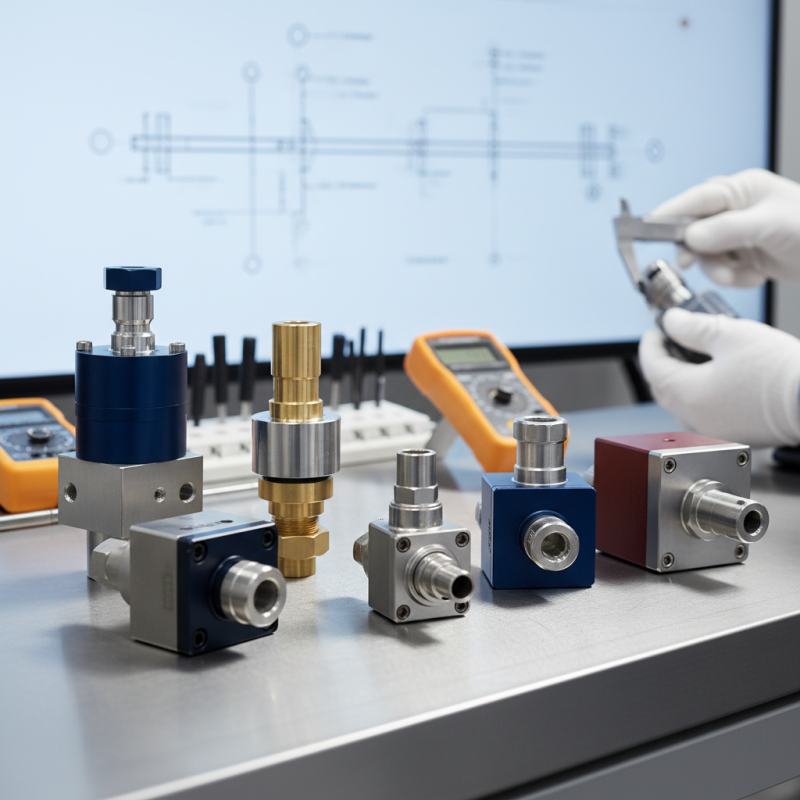
Table of Contents
[Hide]
Understanding the Basics of Servo Valves and Their Functions
Servo valves play a crucial role in hydraulic systems, enabling precise control over fluid flow and pressure. Understanding their functionality is vital for effective system design. They consist of a spool that adjusts flow and pressure based on electrical inputs. This direct relationship allows for rapid responses in dynamic applications. Around 70% of industrial automation relies on proper valve selection to maintain efficiency.
The basic operation involves fluid entering the valve and passing through a variable orifice created by the spool's position. This orifice controls the output flow, which directly impacts system performance. Research has shown that optimizing servo valve performance can increase energy efficiency by up to 20%. However, selecting the right valve is not always straightforward.
Factors such as response time, pressure rating, and compatibility with existing systems must be considered.
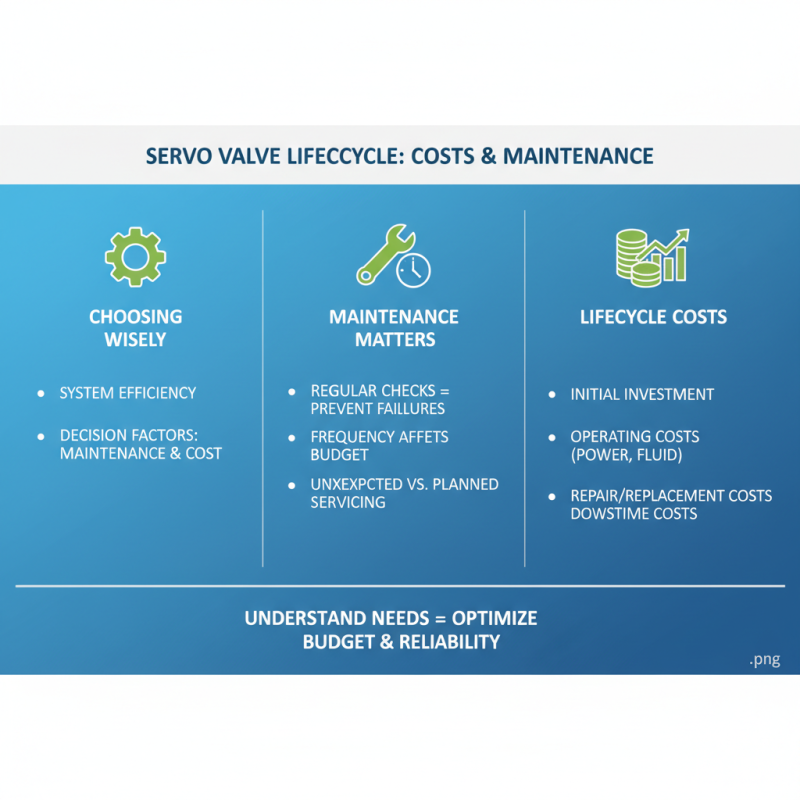
While high-performance servo valves provide significant benefits, they can also introduce complexity. Inaccurate selection may lead to inefficiencies or even complete system failures. For instance, using a valve that is over-engineered can lead to higher costs without tangible benefits. Industry reports suggest that improper installations account for roughly 30% of equipment downtime. Balancing cost, performance, and reliability is crucial for successful implementation.
Related Posts
-
The Future of Automation: How Servo Valves are Revolutionizing Industry Efficiency
-
How to Choose the Right Servo Valves for Your Applications?
-

Unlocking Efficiency: The Vital Role of Hydraulic Pressure Relief Valves in Industrial Systems
-

Why Flow Control Valve is Essential for Effective System Performance
-

How to Choose the Right Hydraulic Power Unit for Your Needs?
-
Top 10 Yuken Valve Solutions for Optimal Hydraulic Performance