


- Home
- A-Z Catalogue
- Products
- Valves
- Cetop
- Manual Directional Valves
- Proportional Valves
- Poppet Valves
- High-Speed Linear Servo Valves
- All High-Speed Linear Servo Valves
- Cetop 10 (NG32) Two Stage Type High Speed Linear Servo Valves – LSVHG-10
- Cetop 10 (NG32) Two Stage Type High Speed Linear Servo Valves – LSVHG-10 (With Fail-Safe)
- Cetop 8 (NG25) Two Stage Type High Speed Linear Servo Valves – LSVHG-06
- Cetop 8 (NG25) Two Stage Type High Speed Linear Servo Valves – LSVHG-06 (With Fail-Safe)
- Cetop 7 (NG16) Two Stage Type High Speed Linear Servo Valves – LSVHG-04
- Cetop 7 (NG16) Two Stage Type High Speed Linear Servo Valves – LSVHG-04 (With Fail-Safe)
- Cetop 5 (NG10) Direct Type High Speed Linear Servo Valves – LSVG-03
- Cetop 5 (NG10) OBE Type Direct Operated Linear Servo Valves – LSVG-03-EH
- Cetop 3 (NG6) OBE Type Direct Operated Linear Servo Valves – LSVG-01-EH
- Pumps
- Pressure control
- Flow Control Valves
- Pressure Control Valves
- All Pressure Control Valves
- Brake Valves
- Direct Relief Valve
- Low Noise Solenoid Controlled Relief Valves
- Low Noise Pilot Operated Relief Valves
- Pilot Operated Relief Valves
- Pressure reducing and relieving valves
- Pressure reducing and check valves
- Pressure control valves
- Remote Control Relief Valves
- Solenoid Controlled Relief Valves – BSG
- Solenoid Controlled Relief Valves – BST
- Unloading relief valves
- Check valves
- Environmental
- Valves
- Hydraulic Systems
- Power pack
- About Us
- Contact
- Blog

How to Choose the Right Machine Safety Guard
Choosing the right Machine Safety Guard begins with understanding the task, not browsing product catalogs. Each machine presents different hazards, from rotating shafts and pinch points to flying chips and hot surfaces. A practical selection starts with a careful review of how operators load, adjust, clean, and maintain the equipment. Observe the work in progress. Ask where hands travel and when access is genuinely needed. These details help determine whether a fixed barrier, movable guard, or monitored access system fits the application.
Next, consider the guard’s construction and everyday use. A steel mesh panel may offer visibility and resist impact, while a solid panel can help contain debris. Check clearances, mounting points, door movement, and the space available around the machine. If the guard includes an interlock, confirm that it suits the machine’s control system and intended access pattern. Do not treat a component’s label as proof that the complete installation is suitable. Review manufacturer documentation, installation guidance, and relevant workplace requirements with a qualified safety professional.
Maintenance deserves attention, too. A guard that blocks routine inspection may be removed or bypassed under production pressure. That risk is easy to overlook. Choose a design that supports safe servicing, allows practical cleaning, and makes damage visible. Then verify the installation under real operating conditions, including normal material handling and foreseeable adjustments. No single guard solves every hazard, and a tidy checklist cannot capture every shop-floor habit. Careful assessment, informed advice, and periodic review provide a stronger basis for choosing a Machine Safety Guard that protects people without obstructing essential work.
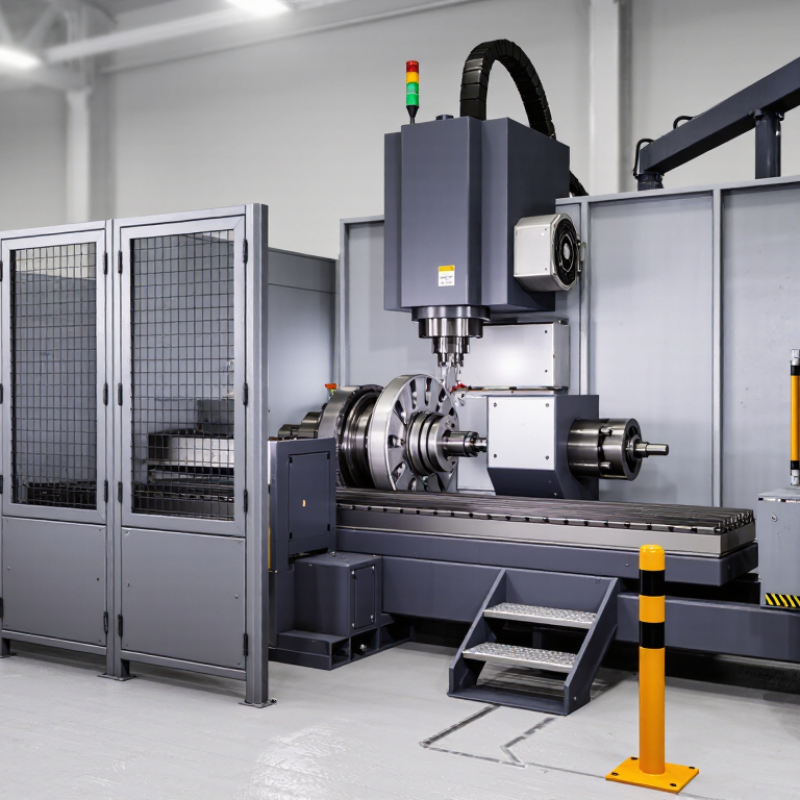
Table of Contents [Hide]
Assess Machine Hazards and Access Requirements
Choosing the right machine safety guard starts with observing the machine during real work, not just while it sits idle. Watch each cycle from a safe position. Note moving parts, exposed belts, pinch points, hot surfaces, flying chips, and areas where material can snag. A hazard may appear only when a door opens or a jam is cleared. Record where hands, tools, and materials travel.
Access needs matter as much as the hazard itself. Identify routine tasks, such as loading stock, checking a gauge, cleaning, and changing components. A fixed guard may suit areas rarely accessed, while an interlocked access point may be more practical for frequent adjustments. Check sightlines, reach distance, and whether the guard obstructs controls or emergency stops. One detail is easy to miss: workers may create an awkward reach if a guard blocks the normal loading path. Revisit the layout with operators. Their workarounds can reveal design flaws, though their feedback may not capture every risk.
Tips: Map each task to the hazard it exposes. Test access with the machine stopped, and confirm visibility from the operator’s position. Keep the assessment specific. A quick sketch can help, but it may miss a short task performed only once per shift.