


- Home
- A-Z Catalogue
- Products
- Valves
- Cetop
- Manual Directional Valves
- Proportional Valves
- Poppet Valves
- High-Speed Linear Servo Valves
- All High-Speed Linear Servo Valves
- Cetop 10 (NG32) Two Stage Type High Speed Linear Servo Valves – LSVHG-10
- Cetop 10 (NG32) Two Stage Type High Speed Linear Servo Valves – LSVHG-10 (With Fail-Safe)
- Cetop 8 (NG25) Two Stage Type High Speed Linear Servo Valves – LSVHG-06
- Cetop 8 (NG25) Two Stage Type High Speed Linear Servo Valves – LSVHG-06 (With Fail-Safe)
- Cetop 7 (NG16) Two Stage Type High Speed Linear Servo Valves – LSVHG-04
- Cetop 7 (NG16) Two Stage Type High Speed Linear Servo Valves – LSVHG-04 (With Fail-Safe)
- Cetop 5 (NG10) Direct Type High Speed Linear Servo Valves – LSVG-03
- Cetop 5 (NG10) OBE Type Direct Operated Linear Servo Valves – LSVG-03-EH
- Cetop 3 (NG6) OBE Type Direct Operated Linear Servo Valves – LSVG-01-EH
- Pumps
- Pressure control
- Flow Control Valves
- Pressure Control Valves
- All Pressure Control Valves
- Brake Valves
- Direct Relief Valve
- Low Noise Solenoid Controlled Relief Valves
- Low Noise Pilot Operated Relief Valves
- Pilot Operated Relief Valves
- Pressure reducing and relieving valves
- Pressure reducing and check valves
- Pressure control valves
- Remote Control Relief Valves
- Solenoid Controlled Relief Valves – BSG
- Solenoid Controlled Relief Valves – BST
- Unloading relief valves
- Check valves
- Environmental
- Valves
- Hydraulic Systems
- Power pack
- About Us
- Contact
- Blog

How to Choose the Right Servo Valves for Your System?
Choosing the right servo valves can determine whether a hydraulic system responds smoothly or struggles under changing loads. These components control flow and pressure with remarkable precision. However, selection involves more than matching port size or rated pressure.
Real-world experience shows that application details matter most. A valve tested on a clean laboratory rig may behave differently beside a vibrating press. Oil cleanliness, operating temperature, response frequency, leakage limits, and actuator size all influence performance. Even cable routing and feedback quality can affect stability. Small details matter.
Start with the required force, speed, accuracy, and duty cycle. Then compare valve flow ratings, pressure capabilities, electrical interfaces, and feedback requirements. Check whether the valve suits the existing controller and amplifier. Compatibility problems often appear after installation, when troubleshooting becomes expensive.
Reliability also depends on filtration and maintenance. A high-performance valve cannot compensate for contaminated fluid. Follow the manufacturer’s cleanliness recommendations and verify them during operation. ISO-based hydraulic practices can provide useful guidance, but site conditions still deserve careful review.
There is no universal choice.
Some engineers focus heavily on dynamic response. That can be a mistake when the actuator operates slowly. Others select oversized valves for safety, yet excessive flow can reduce controllability. I have seen specifications look perfect until temperature changes exposed sluggish movement and unstable positioning.
A dependable decision balances performance, serviceability, lifecycle cost, and supplier support. Review test data, installation constraints, and failure consequences before approval. The best servo valves are not simply the most advanced. They are the ones that remain predictable inside your actual system.
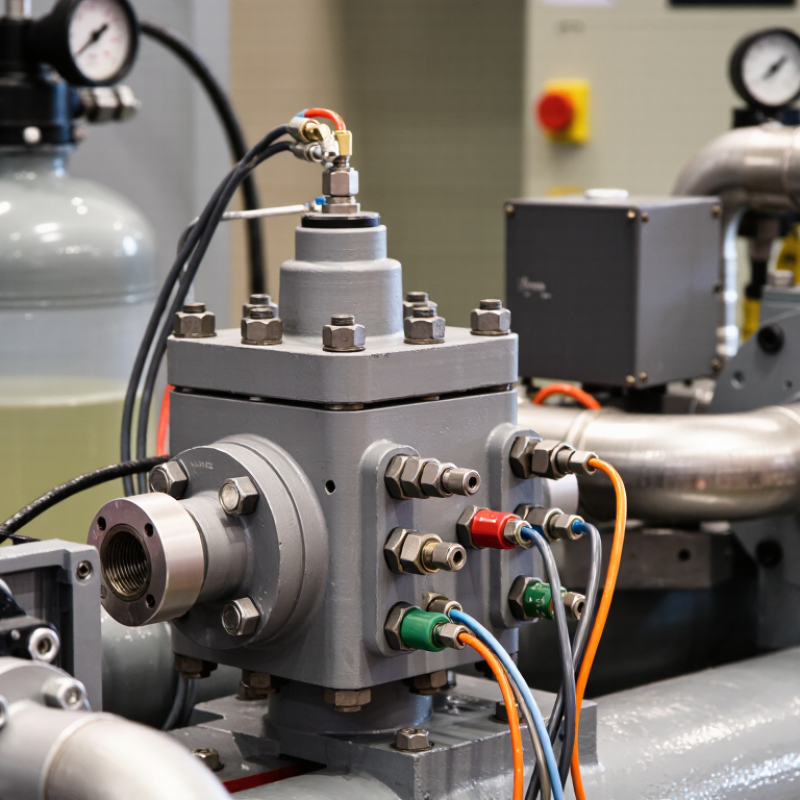
Table of Contents
[Hide]
Define Your System’s Motion and Flow Control Requirements
Choosing a servo valve starts with motion, not catalog size. Describe required position, velocity, acceleration, and load profile for each axis. A cylinder moving 300 mm in two seconds needs different flow from one completing the stroke in half a second. Calculate flow from piston area and target speed. Include peak demand, not only average demand. Record operating pressure, return pressure, and expected pressure drop across the valve. These details expose weak assumptions early.
Then connect motion quality to control requirements. Tight positioning may require high flow resolution, fast response, and stable feedback. A smooth test cycle can hide problems. Examine sudden reversals, dwell periods, and changing loads. I often find that the first flow estimate is too optimistic, especially during acceleration. Leave practical margin, but avoid oversized valves. Excess capacity can reduce resolution and create heat. Check the valve’s rated flow at the intended pressure drop, not at a convenient headline value.
Your environment also shapes the decision. Contaminated fluid, temperature swings, and long tubing can reduce repeatability. Specify filtration, fluid cleanliness, sealing materials, and installation orientation. Match the command signal and feedback system with the controller’s actual capabilities. During commissioning, measure pressure, flow, position error, and response time under real operating conditions. If the axis hunts or feels sluggish, revisit the motion profile before changing the valve. The valve may be correct; the definition may be incomplete. Keep test records so later adjustments remain traceable.
Related Posts
-

Top Servo Valves Guide for Global Buyers in 2026
-

The Future of Automation: How Servo Valves are Revolutionizing Industry Efficiency
-
How to Choose the Right Servo Valves for Your System?
-
How to Choose the Right Servo Valves for Your Applications?
-

Top 5 Tips for Choosing the Right Servo Valves?
-
How to Choose the Right Directional Valve for Your Needs?