


- Home
- A-Z Catalogue
- Products
- Valves
- Cetop
- Manual Directional Valves
- Proportional Valves
- Poppet Valves
- High-Speed Linear Servo Valves
- All High-Speed Linear Servo Valves
- Cetop 10 (NG32) Two Stage Type High Speed Linear Servo Valves – LSVHG-10
- Cetop 10 (NG32) Two Stage Type High Speed Linear Servo Valves – LSVHG-10 (With Fail-Safe)
- Cetop 8 (NG25) Two Stage Type High Speed Linear Servo Valves – LSVHG-06
- Cetop 8 (NG25) Two Stage Type High Speed Linear Servo Valves – LSVHG-06 (With Fail-Safe)
- Cetop 7 (NG16) Two Stage Type High Speed Linear Servo Valves – LSVHG-04
- Cetop 7 (NG16) Two Stage Type High Speed Linear Servo Valves – LSVHG-04 (With Fail-Safe)
- Cetop 5 (NG10) Direct Type High Speed Linear Servo Valves – LSVG-03
- Cetop 5 (NG10) OBE Type Direct Operated Linear Servo Valves – LSVG-03-EH
- Cetop 3 (NG6) OBE Type Direct Operated Linear Servo Valves – LSVG-01-EH
- Pumps
- Pressure control
- Flow Control Valves
- Pressure Control Valves
- All Pressure Control Valves
- Brake Valves
- Direct Relief Valve
- Low Noise Solenoid Controlled Relief Valves
- Low Noise Pilot Operated Relief Valves
- Pilot Operated Relief Valves
- Pressure reducing and relieving valves
- Pressure reducing and check valves
- Pressure control valves
- Remote Control Relief Valves
- Solenoid Controlled Relief Valves – BSG
- Solenoid Controlled Relief Valves – BST
- Unloading relief valves
- Check valves
- Environmental
- Valves
- Hydraulic Systems
- Power pack
- About Us
- Contact
- Blog

What Is Epoxy Grout and How Is It Used?
Epoxy Grout is a durable joint-filling material made from epoxy resin, hardener, and graded aggregates. Unlike traditional cement grout, it resists many stains, chemicals, and moisture-related problems. This makes it useful in kitchens, bathrooms, hospitals, commercial kitchens, and demanding industrial areas.
A properly installed epoxy joint can look smooth and remain easier to clean. Picture a shower floor where soap, water, and daily foot traffic meet every morning. Epoxy Grout can help protect the narrow spaces between tiles in that environment. It also bonds strongly when the tile surface is clean, dry, and correctly prepared. However, it is not a universal fix. Movement, poor substrate preparation, or incorrect mixing can still cause failure.
Installation requires careful timing. Epoxy materials may become difficult to spread as they cure, especially in warm rooms. Experienced installers usually work in small sections and remove residue before it hardens. Manufacturer instructions should guide mixing ratios, working time, cleaning methods, and curing conditions. A small test area is wise, although it may feel unnecessary during a rushed project. Different products also perform differently, so one brand’s results cannot represent every epoxy formula.
This guide explains what Epoxy Grout is, where it works best, and how professionals use it. It also examines its limitations, maintenance needs, and common installation mistakes. The goal is practical guidance, not exaggerated promises. Good results depend on the product, the surface, and the person applying it.
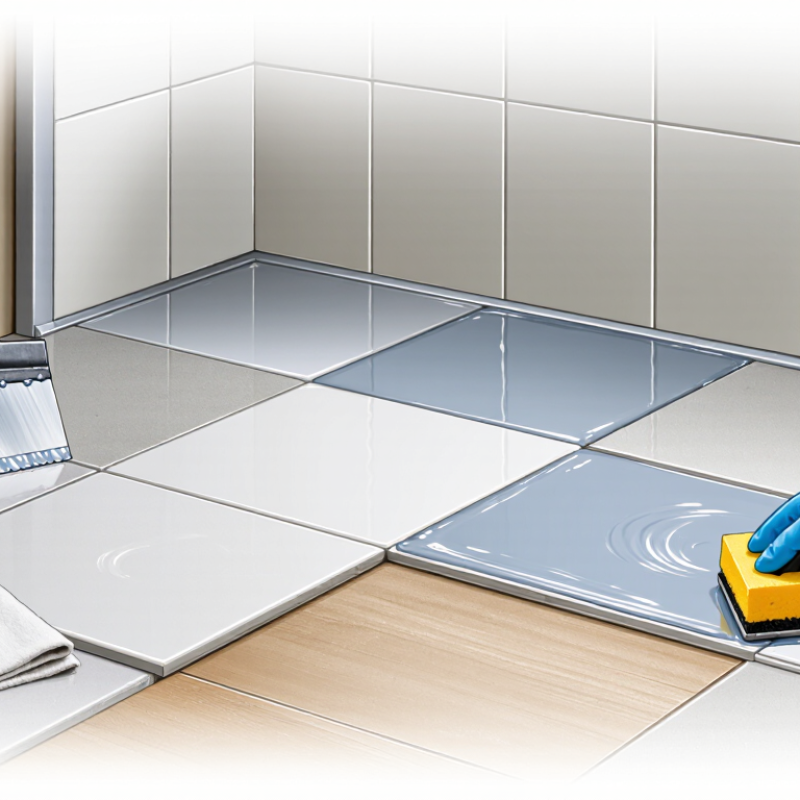
Table of Contents [Hide]
What Is Epoxy Grout?
Epoxy grout is a two-component filling material made from epoxy resin and a hardener. Unlike cement grout, it cures through a chemical reaction, not hydration. This creates a dense, low-absorption joint between tiles. ANSI A118.3 classifies epoxy grout for demanding tile installations, including areas exposed to moisture, stains, and chemicals.
It is commonly used in commercial kitchens, hospitals, laboratories, shower floors, and swimming pools. The U.S. Environmental Protection Agency estimated 600 million tons of construction and demolition debris in 2018, showing why durable materials matter in renovation work. Epoxy grout can reduce replacement frequency, but it is not automatically the best choice. It costs more, feels stickier during installation, and may leave a haze if cleaning is delayed.
Work carefully. Mix only the stated ratio and use a short working batch. ASTM C395/C395M provides testing guidance for chemical-resistant epoxy mortars and grouts. Field experience shows temperature changes working time significantly. Warm rooms shorten it. Cooler rooms slow curing. A professional installer should check tile porosity, joint width, chemical exposure, and movement conditions before application. Some mistakes remain visible for years. That part deserves more attention.