What Is a Foot Pedal Valve and How Does It Work?
A Foot Pedal Valve is a hands-free control device that directs compressed air through a pneumatic circuit. Operators press the pedal to shift an internal spool or poppet. The valve then sends air toward an actuator, cylinder, or control line. Releasing the pedal may return the valve by spring force. Some models remain engaged until pressed again.
This simple action can improve control when both hands hold a workpiece. It also reduces unnecessary reaching around machinery. However, the correct valve depends on pressure, port size, flow demand, actuation force, and return method. A 3/2 valve commonly controls single-acting cylinders. A 5/2 valve often controls double-acting cylinders. Small details matter.
The U.S. Department of Energy’s Improving Compressed Air System Performance guide reports that compressed air can consume roughly 10% of industrial electricity. It also identifies leakage as a major source of waste, sometimes reaching 20–30% of compressor output. Therefore, a Foot Pedal Valve should be selected as part of the complete air system, not in isolation. Poor sizing can create slow motion, pressure loss, or unstable cycling.
ISO 4414:2010 emphasizes safe design, installation, and maintenance for pneumatic systems. Guards, exhaust control, and emergency isolation remain essential. A pedal is not automatically safe. That assumption needs review. Real performance also changes with contamination, worn seals, and operator habits. This guide explains how the valve works, where it fits, and which technical checks support reliable operation.
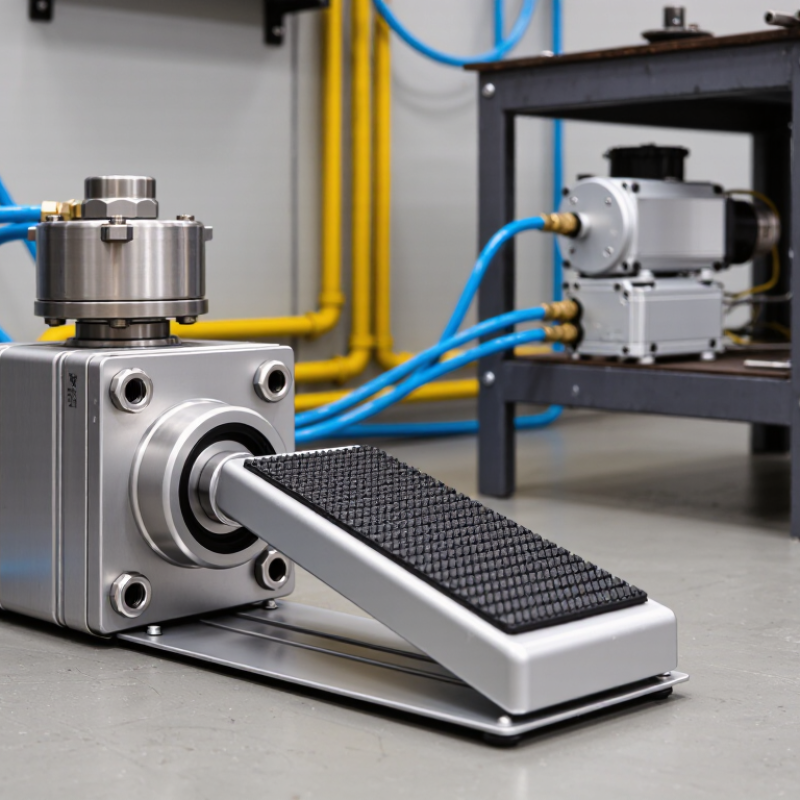
What Is a Foot Pedal Valve?
A foot pedal valve is a manually operated control valve activated by pressing a pedal. It lets an operator control air, fluid, or mechanical movement without using their hands. In pneumatic equipment, it commonly directs compressed air to extend or retract a cylinder. Inside the valve, a spool or poppet shifts when the pedal moves. This change connects supply, working, and exhaust ports. Release the pedal, and a spring may return the valve to its normal position.
Foot pedal valves come in several configurations. A maintained valve stays in its selected position, while a momentary valve operates only during foot pressure. Some models provide two-position control, and others include three positions, such as forward, neutral, and reverse. The correct choice depends on pressure, flow rate, pedal force, and the actuator’s response. A common mistake is selecting a valve by port size alone. Internal flow capacity matters too. Small passages can slow a cylinder, even when the fittings appear suitable.
Tips: Check the valve’s pressure range before installation. Confirm the port markings carefully. Use clean, dry air where required. Keep the pedal area clear of debris and oil. Test the return action with the machine unloaded. Never assume the pedal is fail-safe; a damaged spring or blocked exhaust can change its behavior. Clear labeling helps, although labels can fade over time. During maintenance, isolate the energy source and verify that stored pressure has been released.
How Does a Foot Pedal Valve Work?
A foot pedal valve is a mechanical control that directs compressed air or hydraulic fluid. It lets an operator use a foot instead of a hand. Inside the housing, a pedal moves a spool or poppet. The movement changes internal passages. Fluid then travels toward an actuator, such as a cylinder or clamp. The operator controls the action through pressure and pedal position.
Press the pedal, and the inlet passage opens. Press harder or farther, depending on the design. The outlet receives flow, while another passage may release trapped pressure. This release allows a cylinder to extend or retract. Many valves use a spring to return the pedal after release. The system then returns to its normal position. That response should feel clear, not sticky.
Some foot pedal valves have two positions. Others provide three positions, including a neutral center. In a center position, airflow may stop or exhaust. The exact behavior depends on the valve’s internal circuit. A common mistake is assuming every pedal valve works the same way. It does not. Port labels, pressure ratings, and return mechanisms require careful checking. Dirt can affect sealing, and a worn spring may delay movement. Test the pedal without a load first, then observe the actuator at low pressure. Keep feet clear of moving parts.
What Are the Main Parts of a Foot Pedal Valve?
A foot pedal valve is a hands-free control device for pneumatic or hydraulic equipment. Its main parts sit inside a compact metal or reinforced polymer body. The body contains the internal passages and protects the working mechanism from dust, impact, and accidental contact. Clearly marked ports guide supply, outlet, and exhaust connections. Port labels matter because incorrect routing can change the valve’s response.
The pedal transfers foot pressure to a spool, poppet, or internal plunger. This moving element directs fluid or compressed air through selected passages. A return spring brings the pedal back when pressure is released. Seals around the moving parts prevent leakage and help maintain stable control. Mounting holes keep the valve steady under repeated use. A loose mounting surface can make the pedal feel inconsistent.
Small details affect reliability. During inspections, I check the pedal pivot, spring tension, seal condition, and port fittings. A faint hiss may indicate a damaged seal, although loose tubing can create the same symptom. I once focused on the valve body and overlooked a worn pedal linkage. That mistake reminded me to inspect the entire control path. Some valves use adjustable stops or guards, but their design varies by application. Always match pressure ratings, connection sizes, and fluid compatibility before installation. The pedal should move smoothly, without sticking or excessive side play. Short travel is not always better. It may reduce control sensitivity in real working conditions.
What Is a Foot Pedal Valve and How Does It Work?
Main Parts and Common Port Configurations
A foot pedal valve uses a pedal to shift an internal spool or poppet, directing compressed air through the valve body. The main parts are the pedal, return spring, internal spool or poppet, valve body, and pneumatic ports. The chart compares common directional-control configurations by their standard number of ports: 3/2 valves have three ports, 4/3 valves have four ports, and 5/2 valves have five ports.
What Types of Foot Pedal Valves Are Available?
A foot pedal valve is a hands-free control device for directing air or fluid. The operator presses a pedal instead of reaching for a hand lever. That action shifts an internal spool or opens a poppet, changing the flow path. In workshops, this arrangement can keep both hands on a workpiece. Small details matter, especially pedal travel and return force.
Momentary foot pedal valves operate only while the operator applies pressure. A spring returns the pedal when released. They suit clamping, drilling, and short actuator movements. Maintained valves stay in their selected position after one press. They can control equipment that must continue running without constant foot pressure. However, accidental activation becomes more likely in crowded work areas.
Valve ports also define available functions. A 3/2 valve has three ports and two positions, often controlling a single-acting cylinder. A 4/2 valve directs flow to extend or retract a double-acting cylinder. A 4/3 valve adds a center position, which may block, exhaust, or freely connect the ports. Pneumatic models handle compressed air, while hydraulic models manage pressurized oil and require stronger construction. Check the working pressure, connection size, seal material, and pedal position before installation. I have found that a comfortable pedal can still feel unsafe when its return spring is too weak. Test the valve slowly. Reconsider the choice if the operator must twist a foot or search for the pedal.
Where Are Foot Pedal Valves Commonly Used?
A foot pedal valve is a control device operated by pressing a pedal with the foot. In pneumatic equipment, it directs compressed air to start, stop, or reverse an actuator. Some models use a mechanical spool, while others send a pilot signal to a separate control valve. The response should feel smooth, not sudden. Small differences matter.
Foot pedal valves are common in manufacturing workshops, especially where operators need both hands for positioning materials. Presses, clamps, punching machines, and assembly fixtures often use them. A worker can hold a workpiece steady while activating the machine with one foot. Packaging lines may use pedal valves for short, repeated movements, such as sealing, cutting, or ejecting products. They also appear in vehicle service equipment and pneumatic workstations, where hands-free operation improves control.
Healthcare and laboratory equipment can use similar controls. Dental chairs, examination tables, and selected therapy devices may include foot-operated pneumatic functions. Clean surfaces and controlled pressure are important in these areas. In practice, a pedal can become tiring during long shifts. That detail is easy to overlook. Poor placement may also cause accidental activation or awkward posture. Technicians should check pressure ratings, connection sizes, pedal travel, guarding, and emergency shutoff access before installation. A familiar pedal is not automatically a suitable one. Safety procedures and regular inspections still matter.