


- Home
- A-Z Catalogue
- Products
- Valves
- Cetop
- Manual Directional Valves
- Proportional Valves
- Poppet Valves
- High-Speed Linear Servo Valves
- All High-Speed Linear Servo Valves
- Cetop 10 (NG32) Two Stage Type High Speed Linear Servo Valves – LSVHG-10
- Cetop 10 (NG32) Two Stage Type High Speed Linear Servo Valves – LSVHG-10 (With Fail-Safe)
- Cetop 8 (NG25) Two Stage Type High Speed Linear Servo Valves – LSVHG-06
- Cetop 8 (NG25) Two Stage Type High Speed Linear Servo Valves – LSVHG-06 (With Fail-Safe)
- Cetop 7 (NG16) Two Stage Type High Speed Linear Servo Valves – LSVHG-04
- Cetop 7 (NG16) Two Stage Type High Speed Linear Servo Valves – LSVHG-04 (With Fail-Safe)
- Cetop 5 (NG10) Direct Type High Speed Linear Servo Valves – LSVG-03
- Cetop 5 (NG10) OBE Type Direct Operated Linear Servo Valves – LSVG-03-EH
- Cetop 3 (NG6) OBE Type Direct Operated Linear Servo Valves – LSVG-01-EH
- Pumps
- Pressure control
- Flow Control Valves
- Pressure Control Valves
- All Pressure Control Valves
- Brake Valves
- Direct Relief Valve
- Low Noise Solenoid Controlled Relief Valves
- Low Noise Pilot Operated Relief Valves
- Pilot Operated Relief Valves
- Pressure reducing and relieving valves
- Pressure reducing and check valves
- Pressure control valves
- Remote Control Relief Valves
- Solenoid Controlled Relief Valves – BSG
- Solenoid Controlled Relief Valves – BST
- Unloading relief valves
- Check valves
- Environmental
- Valves
- Hydraulic Systems
- Power pack
- About Us
- Contact
- Blog

What is a Hydraulic Flow Control Valve and How Does it Work?
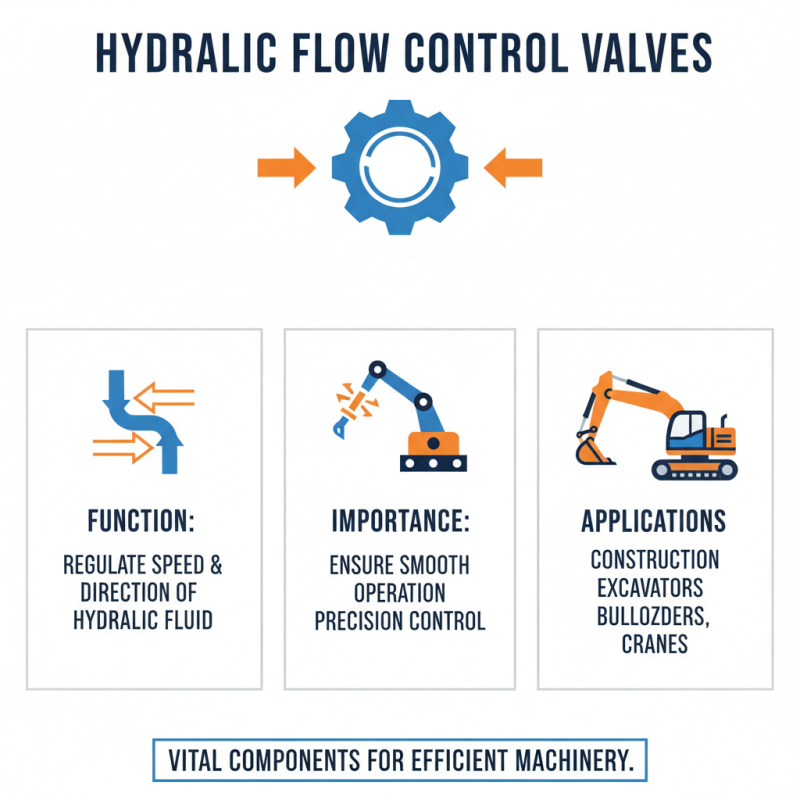
A hydraulic flow control valve is essential in fluid power systems. It regulates the flow rate of hydraulic fluid, allowing for precise control of machinery. Understanding how it works is crucial for effective hydraulic system operation.
These valves function by adjusting the size of the flow passage. This action influences the speed and force of actuators. For instance, in a hydraulic press, the flow control valve can determine how quickly the press operates. Proper adjustment can lead to efficiency, but incorrect settings might cause sluggish performance.
Hydraulic flow control valves come in many types. Each type serves different applications. However, it is important to choose the right valve for a specific task. Misapplication can result in system failure or inefficiency. Therefore, understanding their function is vital for anyone working with hydraulic systems. Aim to learn more about these components and improve operational outcomes.
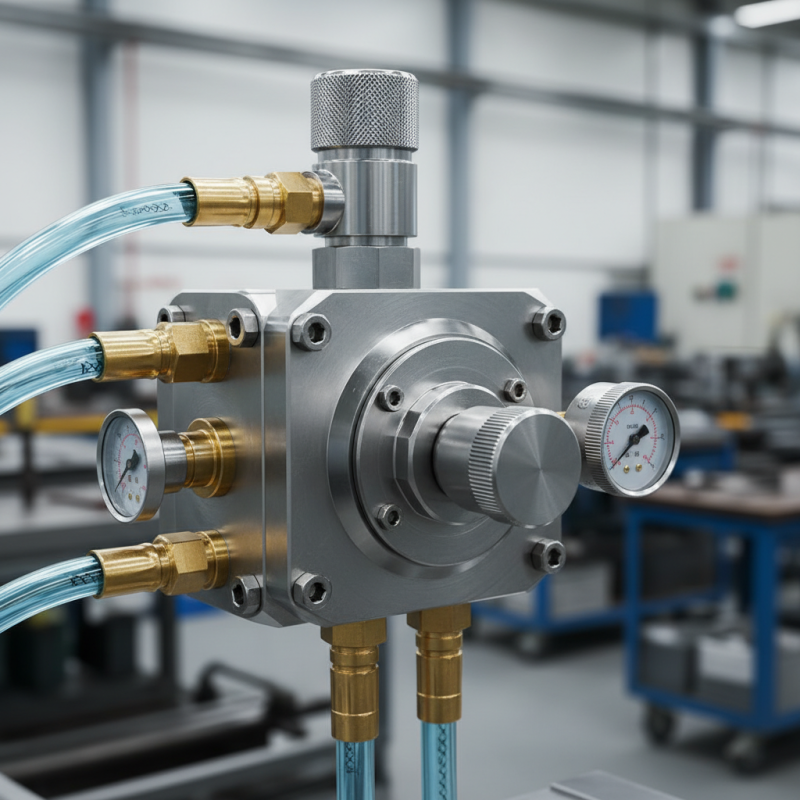
Table of Contents
[Hide]
Understanding Hydraulic Flow Control Valves
Hydraulic flow control valves play a crucial role in numerous applications. They manage the flow of fluid in hydraulic systems, ensuring smooth operations. Understanding their mechanisms helps in optimizing performance.
These valves regulate how much hydraulic fluid passes through. They can limit or divert flow, depending on the needs of the system. For instance, a basic flow control valve can only open or close. Yet, advanced versions allow for fine adjustments. This ensures that each part of the system receives the right amount of fluid.
However, not all flow control valves are created equal. Some may malfunction or wear out over time. Small leaks can lead to larger system inefficiencies. Regular maintenance is essential, but many overlook it. A simple inspection could prevent costly repairs later. Knowing when to replace a valve can make a noticeable difference in performance.
What is a Hydraulic Flow Control Valve and How Does it Work?
| Feature | Description | Application |
|---|---|---|
| Flow Control | Regulates the flow rate of hydraulic fluid in a system. | Used in construction equipment, automotive applications, and hydraulic machinery. |
| Types | Includes needle valves, rotary valves, and proportional valves. | Customized applications based on flow and pressure needs. |
| Operation | Uses mechanical or electronic methods to adjust fluid flow. | Essential for controlling speed and force in hydraulic cylinders. |
| Advantages | Improves efficiency and control in hydraulic systems. | Enhances operation precision in various applications. |
| Maintenance | Regular checks and cleaning to ensure optimal function. | Critical for longevity of hydraulic components. |
Related Posts
-

Exploring the Benefits of Advanced Hydraulic Directional Valves for Efficient Fluid Control
-
Understanding the Role of Hydraulic Valves in Modern Industrial Applications
-
Understanding the Importance of Hydraulic Pressure Control Valves in Modern Industrial Applications
-

Understanding the Importance of Hydraulic Flow Control Valves in Modern Industrial Applications
-
What is a Yuken Directional Valve and How Does It Work?
-
10 Essential Tips for Choosing the Right Hydraulic Relief Valve