


- Home
- A-Z Catalogue
- Products
- Valves
- Cetop
- Manual Directional Valves
- Proportional Valves
- Poppet Valves
- High-Speed Linear Servo Valves
- All High-Speed Linear Servo Valves
- Cetop 10 (NG32) Two Stage Type High Speed Linear Servo Valves – LSVHG-10
- Cetop 10 (NG32) Two Stage Type High Speed Linear Servo Valves – LSVHG-10 (With Fail-Safe)
- Cetop 8 (NG25) Two Stage Type High Speed Linear Servo Valves – LSVHG-06
- Cetop 8 (NG25) Two Stage Type High Speed Linear Servo Valves – LSVHG-06 (With Fail-Safe)
- Cetop 7 (NG16) Two Stage Type High Speed Linear Servo Valves – LSVHG-04
- Cetop 7 (NG16) Two Stage Type High Speed Linear Servo Valves – LSVHG-04 (With Fail-Safe)
- Cetop 5 (NG10) Direct Type High Speed Linear Servo Valves – LSVG-03
- Cetop 5 (NG10) OBE Type Direct Operated Linear Servo Valves – LSVG-03-EH
- Cetop 3 (NG6) OBE Type Direct Operated Linear Servo Valves – LSVG-01-EH
- Pumps
- Pressure control
- Flow Control Valves
- Pressure Control Valves
- All Pressure Control Valves
- Brake Valves
- Direct Relief Valve
- Low Noise Solenoid Controlled Relief Valves
- Low Noise Pilot Operated Relief Valves
- Pilot Operated Relief Valves
- Pressure reducing and relieving valves
- Pressure reducing and check valves
- Pressure control valves
- Remote Control Relief Valves
- Solenoid Controlled Relief Valves – BSG
- Solenoid Controlled Relief Valves – BST
- Unloading relief valves
- Check valves
- Environmental
- Valves
- Hydraulic Systems
- Power pack
- About Us
- Contact
- Blog

What is a Hydraulic Power Pack and How Does it Work?
A hydraulic power pack is a vital component in many industrial applications. It serves as the heart of hydraulic systems, generating power that drives various machines. With its compact design, the hydraulic power pack provides efficient and reliable operation.
Understanding how a hydraulic power pack works is essential for anyone in the field. These systems utilize hydraulic fluid to transmit energy. The basics are simple, yet overlooked details can lead to inefficiency. For instance, choosing the right fluid is crucial for optimal performance.
While the operation appears straightforward, there are intricacies. Components like pumps, motors, and tanks must work synergistically. Each part plays a significant role, and neglecting maintenance can affect functionality. A thorough understanding ensures effective use and prolongs the life of the hydraulic power pack.
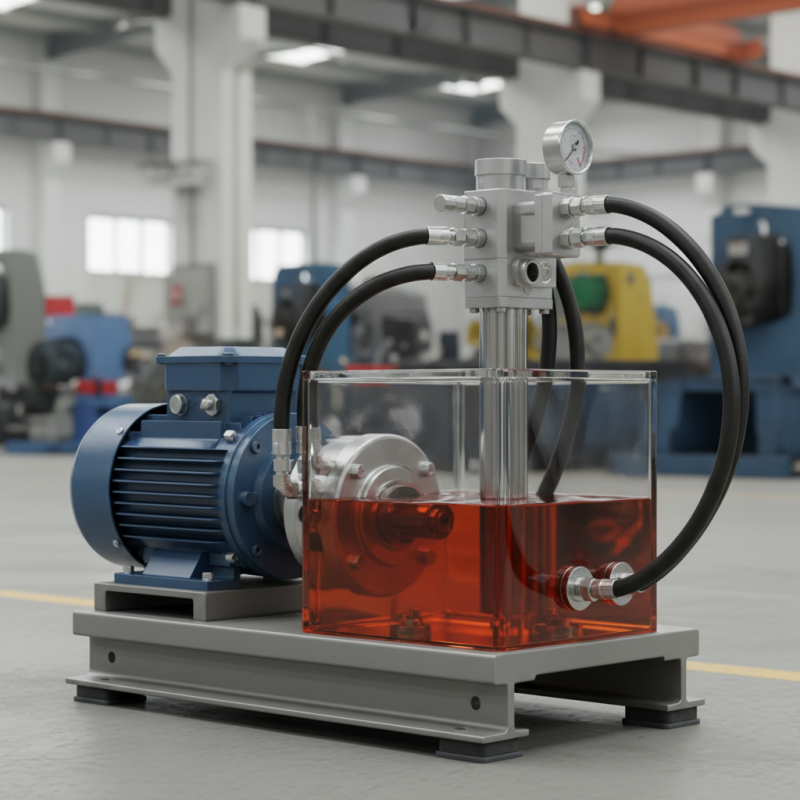
Table of Contents
[Hide]
Understanding the Basics of Hydraulic Power Packs
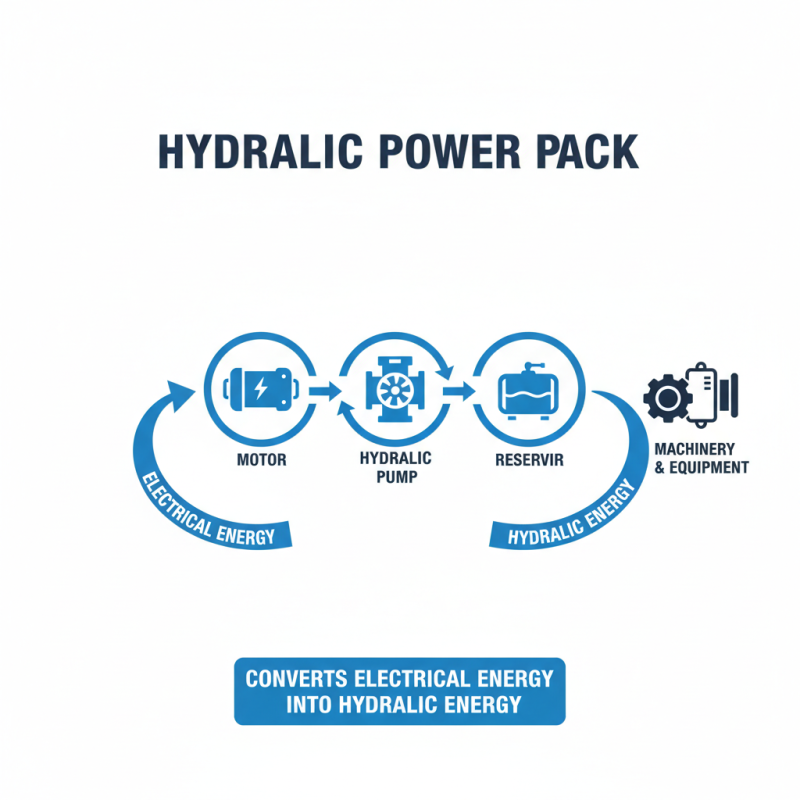
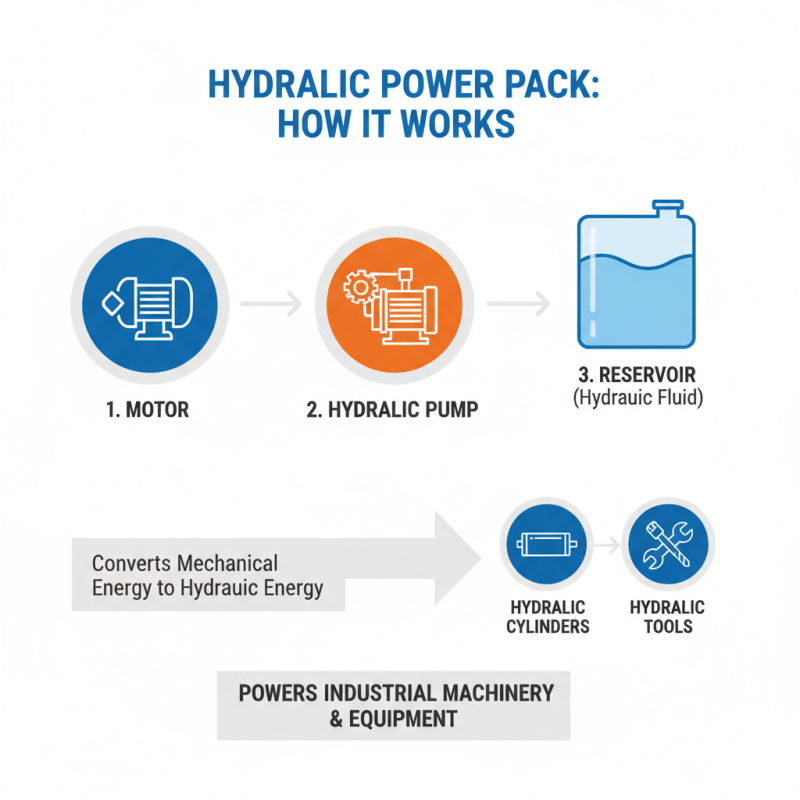
Hydraulic power packs are crucial components in many industrial applications. They consist of a motor, a hydraulic pump, and a reservoir. These elements work together to generate hydraulic pressure. This pressure is then used to power various machinery and equipment. Essentially, the power pack converts electrical energy into hydraulic energy.
Understanding the basics involves recognizing how these systems are controlled. Operators can adjust the fluid flow and pressure. This adjustability allows for a wide range of machinery functionality. Yet, with great flexibility comes complexity. Not all operators fully grasp the system’s capabilities or limitations. This can lead to misuse, potentially harming equipment.
Another aspect to consider is maintenance. Regular checks are essential for optimal operation. Neglect can result in leaks or component failure. Users often overlook routine maintenance. Recognizing the importance of this can prevent serious issues. Hydraulic power packs, despite their efficiency, require careful attention to detail.
Related Posts
-
The Essential Guide to Understanding Hydraulic Power Packs in Industrial Applications
-
How to Choose the Right Hydraulic Unit for Your Industrial Needs
-
Best Hydraulic Power Unit for Your Needs in 2023
-

Top Hydraulic Unit Trends to Watch in 2025 for Optimal Performance
-

Top 10 Reasons You Need a Hydraulic Power Unit for Your Business Operations
-

Why You Should Invest in a Hydraulic Unit for Efficient Machinery Operation