


- Home
- A-Z Catalogue
- Products
- Valves
- Cetop
- Manual Directional Valves
- Proportional Valves
- Poppet Valves
- High-Speed Linear Servo Valves
- All High-Speed Linear Servo Valves
- Cetop 10 (NG32) Two Stage Type High Speed Linear Servo Valves – LSVHG-10
- Cetop 10 (NG32) Two Stage Type High Speed Linear Servo Valves – LSVHG-10 (With Fail-Safe)
- Cetop 8 (NG25) Two Stage Type High Speed Linear Servo Valves – LSVHG-06
- Cetop 8 (NG25) Two Stage Type High Speed Linear Servo Valves – LSVHG-06 (With Fail-Safe)
- Cetop 7 (NG16) Two Stage Type High Speed Linear Servo Valves – LSVHG-04
- Cetop 7 (NG16) Two Stage Type High Speed Linear Servo Valves – LSVHG-04 (With Fail-Safe)
- Cetop 5 (NG10) Direct Type High Speed Linear Servo Valves – LSVG-03
- Cetop 5 (NG10) OBE Type Direct Operated Linear Servo Valves – LSVG-03-EH
- Cetop 3 (NG6) OBE Type Direct Operated Linear Servo Valves – LSVG-01-EH
- Pumps
- Pressure control
- Flow Control Valves
- Pressure Control Valves
- All Pressure Control Valves
- Brake Valves
- Direct Relief Valve
- Low Noise Solenoid Controlled Relief Valves
- Low Noise Pilot Operated Relief Valves
- Pilot Operated Relief Valves
- Pressure reducing and relieving valves
- Pressure reducing and check valves
- Pressure control valves
- Remote Control Relief Valves
- Solenoid Controlled Relief Valves – BSG
- Solenoid Controlled Relief Valves – BST
- Unloading relief valves
- Check valves
- Environmental
- Valves
- Hydraulic Systems
- Power pack
- About Us
- Contact
- Blog

Top 10 Benefits of Pilot Operated Check Valves in Industrial Applications
In the realm of industrial applications, optimizing fluid control systems is paramount for ensuring efficiency, safety, and reliability. One of the innovative solutions that has gained significant attention in this context is the pilot operated check valve. These valves play a crucial role in managing fluid flow, preventing backflow, and facilitating the seamless operation of various systems under pressure. Unlike traditional check valves, pilot operated check valves offer added flexibility and functionality, allowing for precise control over flow direction and shut-off.
As industries continue to evolve and demand more sophisticated fluid management solutions, understanding the benefits of pilot operated check valves becomes essential. From improved safety measures to enhanced energy efficiency, these valves contribute to the overall performance of industrial systems. In this article, we will explore the top 10 benefits of pilot operated check valves, highlighting their significance in creating robust and efficient fluid control mechanisms. By delving into their advantages, we aim to provide insights that can help industries make informed decisions in their fluid management strategies.
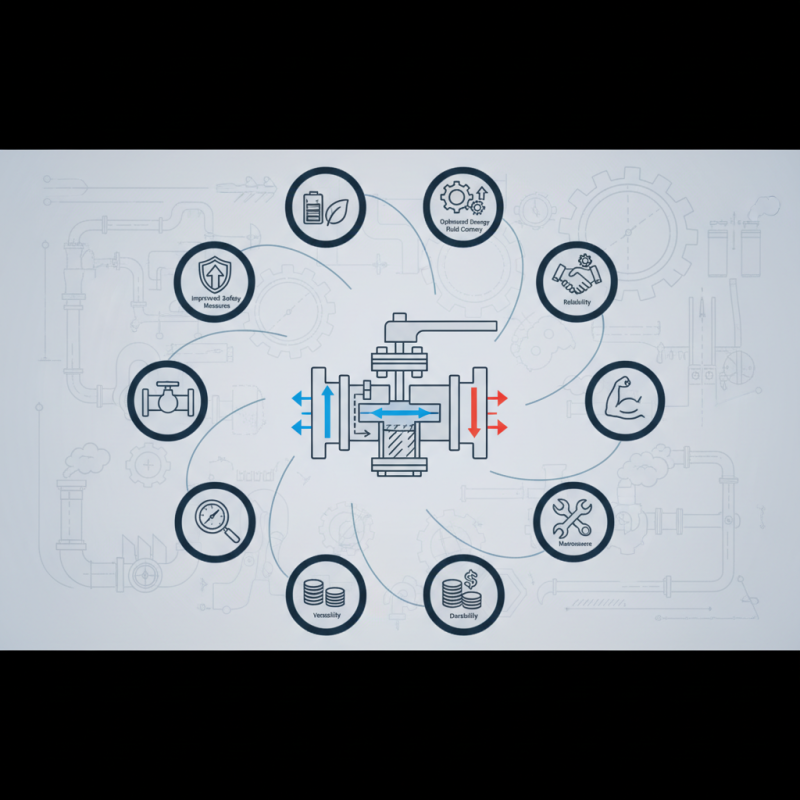
Table of Contents
[Hide]
Benefits of Enhanced Flow Control with Pilot Operated Check Valves
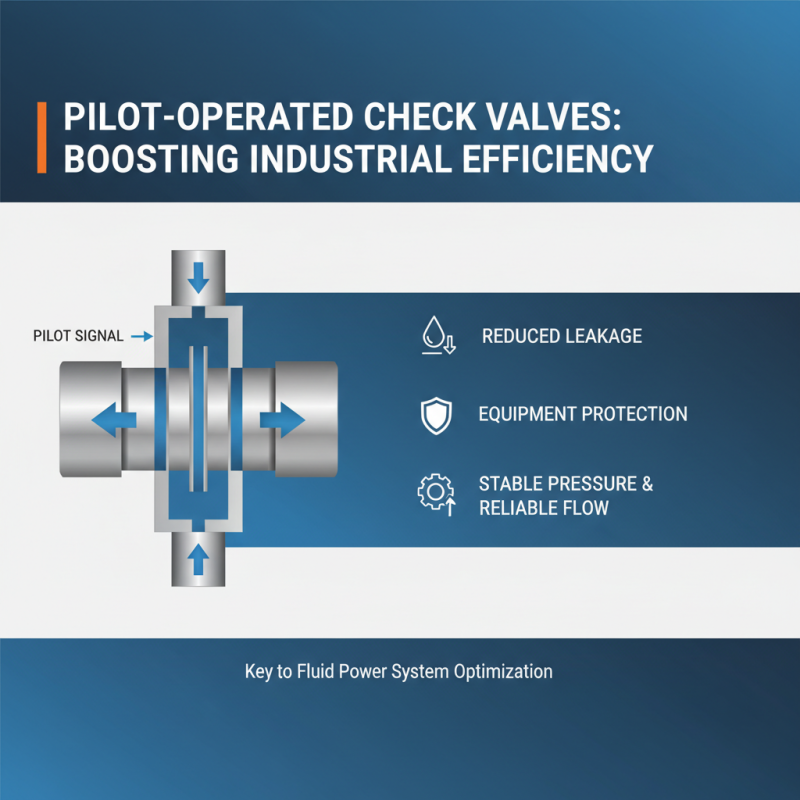
Pilot operated check valves (POCVs) play a crucial role in industrial applications by enhancing flow control, particularly in hydraulic systems. Unlike traditional check valves, which permit flow in one direction, pilot operated check valves combine features of both check and control valves. This design allows for precise control of flow rates, improving overall system efficiency. According to a report by the International Fluid Power Society, POCVs can reduce energy consumption by up to 30%, optimizing operational costs in industrial setups.
One key advantage of pilot operated check valves is their ability to maintain a constant flow under varying pressure conditions. This capability is essential in applications such as hydraulic presses and injection molding, where consistent pressure is necessary for quality output. Furthermore, POCVs improve system responsiveness by swiftly adapting to changes in flow requirements. Such performance is backed by research from the Hydraulic Institute, indicating that systems utilizing POCVs can achieve response time improvements of 15-25% compared to conventional valving solutions.
Tips: When implementing pilot operated check valves, it is crucial to select the appropriate sized valve for your application to ensure optimal performance. Also, regular maintenance can extend the lifespan of these valves, contributing to sustained efficiency in the long run. Consider consulting with an expert to tailor your system's needs effectively, leveraging the benefits of enhanced flow control.
Top 10 Benefits of Pilot Operated Check Valves in Industrial Applications
| Benefit | Description |
|---|---|
| Improved Flow Control | Allows for precise control of fluid flow in both directions. |
| Reduced Pressure Drops | Minimizes losses in the system, enhancing efficiency. |
| Leak Prevention | Helps to ensure no backflow occurs, protecting downstream equipment. |
| Compact Design | Space-saving design makes them suitable for various installations. |
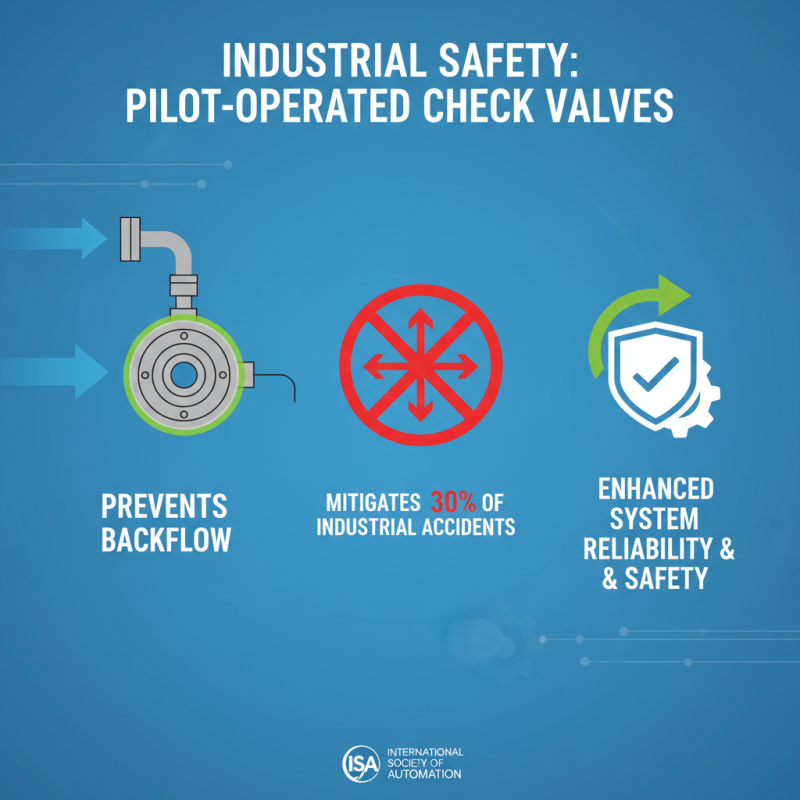
| Enhanced Safety | Prevents accidents caused by unintended flow directions. |
| Versatile Applications | Suitable for a wide range of fluids, including gases and liquids. |
| Maintenance-Friendly | Designed for easy access, reducing downtime during servicing. |
| Extended Lifespan | Durable construction means longer operational life compared to traditional check valves. |
| Cost-Effective Solution | Reduces costs related to repair and fluid loss in industrial systems. |
| Better Control with Automation | Compatible with automated systems for enhanced control and efficiency. |
Related Posts
-
Understanding the Role of Check Valves in Modern Industrial Systems
-
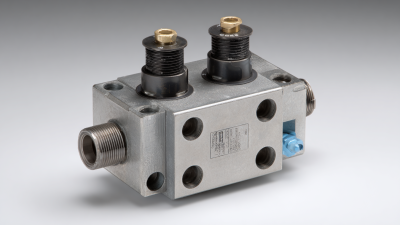
What is a Pilot Operated Check Valve and How Does It Work in Hydraulic Systems
-

2025 Top 10 Check Valves Trends Innovations and Market Statistics
-

Top Trends in 2025 for Check Valves You Need to Know About
-

2025 Top Hydraulic Directional Valve Applications and Important Features to Know
-
The Future of Automation: How Servo Valves are Revolutionizing Industry Efficiency