


- Home
- A-Z Catalogue
- Products
- Valves
- Cetop
- Manual Directional Valves
- Proportional Valves
- Poppet Valves
- High-Speed Linear Servo Valves
- All High-Speed Linear Servo Valves
- Cetop 10 (NG32) Two Stage Type High Speed Linear Servo Valves – LSVHG-10
- Cetop 10 (NG32) Two Stage Type High Speed Linear Servo Valves – LSVHG-10 (With Fail-Safe)
- Cetop 8 (NG25) Two Stage Type High Speed Linear Servo Valves – LSVHG-06
- Cetop 8 (NG25) Two Stage Type High Speed Linear Servo Valves – LSVHG-06 (With Fail-Safe)
- Cetop 7 (NG16) Two Stage Type High Speed Linear Servo Valves – LSVHG-04
- Cetop 7 (NG16) Two Stage Type High Speed Linear Servo Valves – LSVHG-04 (With Fail-Safe)
- Cetop 5 (NG10) Direct Type High Speed Linear Servo Valves – LSVG-03
- Cetop 5 (NG10) OBE Type Direct Operated Linear Servo Valves – LSVG-03-EH
- Cetop 3 (NG6) OBE Type Direct Operated Linear Servo Valves – LSVG-01-EH
- Pumps
- Pressure control
- Flow Control Valves
- Pressure Control Valves
- All Pressure Control Valves
- Brake Valves
- Direct Relief Valve
- Low Noise Solenoid Controlled Relief Valves
- Low Noise Pilot Operated Relief Valves
- Pilot Operated Relief Valves
- Pressure reducing and relieving valves
- Pressure reducing and check valves
- Pressure control valves
- Remote Control Relief Valves
- Solenoid Controlled Relief Valves – BSG
- Solenoid Controlled Relief Valves – BST
- Unloading relief valves
- Check valves
- Environmental
- Valves
- Hydraulic Systems
- Power pack
- About Us
- Contact
- Blog

10 Relief Valve Buying Tips for Global Buyers
Buying a relief valve across borders is not simply a price comparison. It is a pressure-control decision with consequences for people, equipment, production, and reputation. Global buyers must examine operating pressure, temperature, fluid characteristics, materials, connection size, certification, and maintenance access. A valve that performs well in a clean steam system may fail prematurely in corrosive chemical service. Small details matter.
Pressure-safety engineer Dr. Richard W. Prugh is often associated with a practical principle: “The first duty of a relief device is to protect people, not equipment.” That idea should guide every purchase. Buyers need reliable sizing data, traceable test records, clear set-pressure information, and responsive technical support. They should also confirm whether the supplier understands the installation environment, including vibration, back pressure, contamination, and changing process conditions. A glossy certificate is not enough. Ask harder questions.
This guide, “10 Relief Valve Buying Tips for Global Buyers,” explores the checks that reduce costly mistakes. It considers supplier experience, material verification, inspection documents, delivery risk, spare parts, calibration, and after-sales service. It also addresses a common weakness: selecting a familiar model without reviewing the actual application. That shortcut feels efficient. Sometimes it is not. A thoughtful buyer compares total ownership cost, not only the initial quotation. They also leave room for uncertainty, because incomplete process data can distort even a technically correct selection. The best relief valve purchase is therefore measurable, documented, and suitable for real operating conditions—not merely impressive on paper.
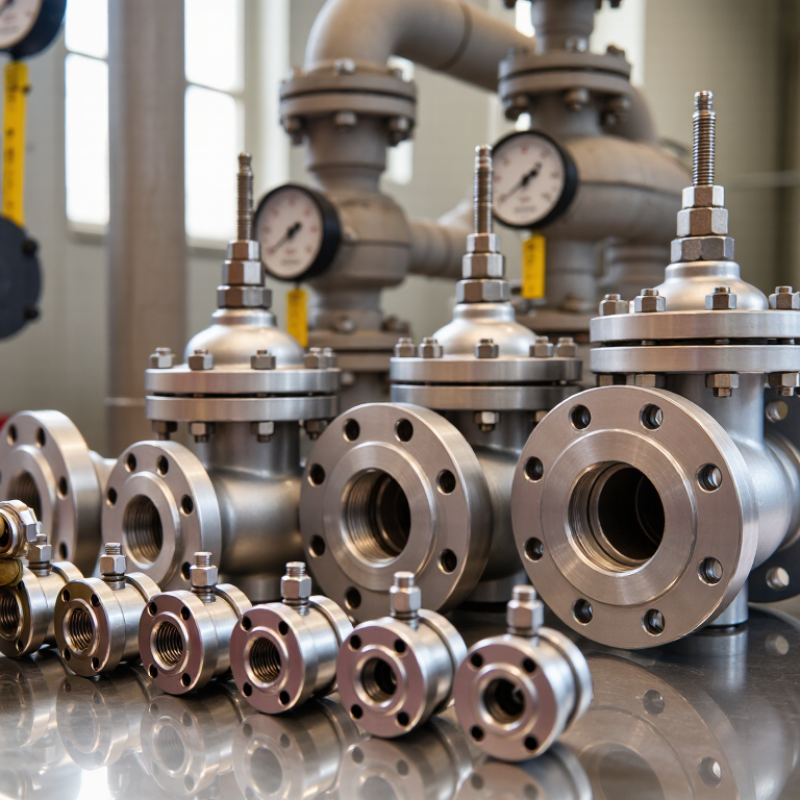
Table of Contents
[Hide]
Relief Valve Basics and Their Role in Pressure Protection
Relief valves are mechanical safeguards that release excess pressure from vessels, pipelines, and process equipment. When pressure rises above a preset limit, the valve opens and directs fluid to a controlled discharge area. It closes after pressure returns to a safe range. This simple action can prevent rupture, equipment damage, and dangerous process instability.
A reliable buying decision starts with the protected system. Confirm the maximum allowable working pressure, normal operating pressure, temperature, fluid type, and required flow capacity. Gas, steam, and liquid services may require different valve designs. Check the set pressure against the vessel rating, not only the usual operating pressure. Material compatibility matters, especially with corrosive fluids or frequent temperature changes. A slightly wrong material can become an expensive failure.
I have seen installations where the valve was correctly sized but poorly supported. Vibration, blocked discharge lines, and incorrect orientation can reduce protection. Ask for certified capacity data, test records, and clear maintenance instructions. Verify local code requirements with a qualified engineer before purchase. Do not treat a relief valve as a routine accessory. It needs inspection, accurate calibration, and a discharge path that remains open. Real systems are rarely perfect. That is why conservative sizing and documented checks deserve more attention than a low purchase price.
Related Posts
-
2026 Best Relief Valve Options for Optimal Performance and Safety
-
Top 10 Relief Valves in China for Global Buyers?
-
What is a Pressure Control Valve and How Does It Work?
-
Top Pressure Valve Manufacturers for Global Buyers
-
How to Choose a Pressure Reducing Valve in 2026?
-
Hydraulic System Tips for Efficient Performance and Maintenance?