


- Home
- A-Z Catalogue
- Products
- Valves
- Cetop
- Manual Directional Valves
- Proportional Valves
- Poppet Valves
- High-Speed Linear Servo Valves
- All High-Speed Linear Servo Valves
- Cetop 10 (NG32) Two Stage Type High Speed Linear Servo Valves – LSVHG-10
- Cetop 10 (NG32) Two Stage Type High Speed Linear Servo Valves – LSVHG-10 (With Fail-Safe)
- Cetop 8 (NG25) Two Stage Type High Speed Linear Servo Valves – LSVHG-06
- Cetop 8 (NG25) Two Stage Type High Speed Linear Servo Valves – LSVHG-06 (With Fail-Safe)
- Cetop 7 (NG16) Two Stage Type High Speed Linear Servo Valves – LSVHG-04
- Cetop 7 (NG16) Two Stage Type High Speed Linear Servo Valves – LSVHG-04 (With Fail-Safe)
- Cetop 5 (NG10) Direct Type High Speed Linear Servo Valves – LSVG-03
- Cetop 5 (NG10) OBE Type Direct Operated Linear Servo Valves – LSVG-03-EH
- Cetop 3 (NG6) OBE Type Direct Operated Linear Servo Valves – LSVG-01-EH
- Pumps
- Pressure control
- Flow Control Valves
- Pressure Control Valves
- All Pressure Control Valves
- Brake Valves
- Direct Relief Valve
- Low Noise Solenoid Controlled Relief Valves
- Low Noise Pilot Operated Relief Valves
- Pilot Operated Relief Valves
- Pressure reducing and relieving valves
- Pressure reducing and check valves
- Pressure control valves
- Remote Control Relief Valves
- Solenoid Controlled Relief Valves – BSG
- Solenoid Controlled Relief Valves – BST
- Unloading relief valves
- Check valves
- Environmental
- Valves
- Hydraulic Systems
- Power pack
- About Us
- Contact
- Blog

Top 10 Tips for Forklift Unloading Truck Effectively?
In the fast-paced world of logistics, efficiency in operations is paramount. One critical area that often demands attention is Forklift Unloading Truck. According to a report from the Occupational Safety and Health Administration (OSHA), improper unloading can lead to accidents, causing over 60% of workplace injuries related to forklifts. Learning effective unloading techniques can significantly mitigate these risks.
When unloading trucks with forklifts, safety and speed must go hand in hand. A recent study highlighted that optimized unloading processes can improve productivity by up to 30%. However, many businesses still overlook essential practices that ensure both safety and efficiency. This gap can lead to costly mistakes and injuries.
Preparation and training are vital. Employees must be equipped with the right skills and knowledge. Many facilities lack proper training programs, which results in avoidable errors. Reflecting on current practices can help organizations refine their unloading strategies. Ensuring effectiveness in Forklift Unloading Truck not only saves time but protects workers and enhances overall operations.
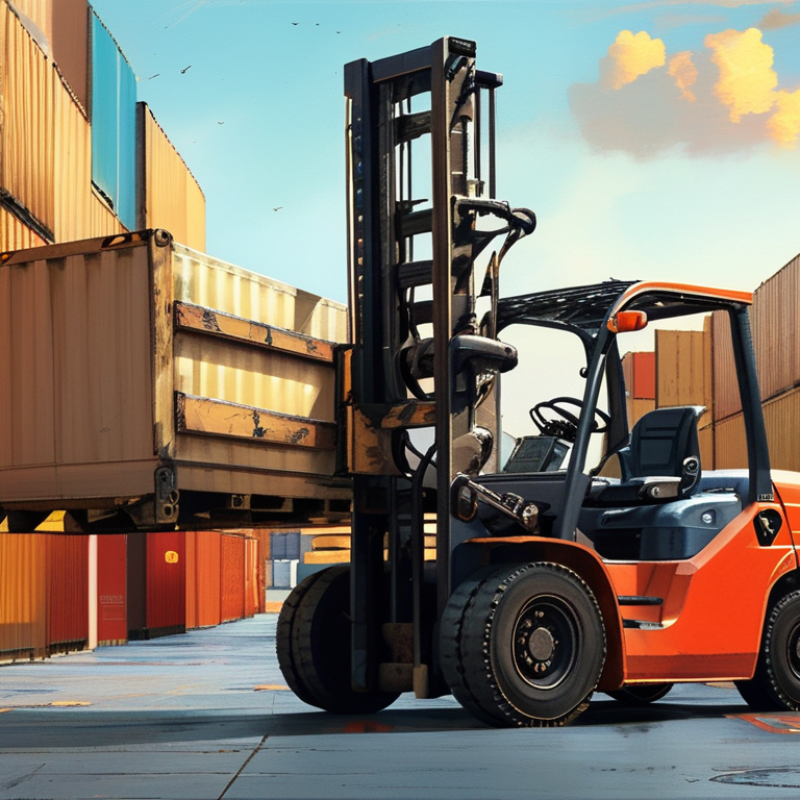
Table of Contents [Hide]
Understanding Forklift Types for Efficient Truck Unloading
Understanding forklift types is essential for effective truck unloading. Each forklift type has specific strengths that can make unloading easier. For instance, a standard counterbalance forklift is versatile and ideal for various loads. It can handle both pallets and heavy machinery. However, in tight spaces, a narrow aisle forklift is more suitable. It can navigate narrow paths, but it has limitations in lifting heavier loads.
Electric forklifts are also a popular choice for indoor unloading. They operate quietly and are environmentally friendly. Nonetheless, they may not be the best option for heavy-duty tasks. Diesel-powered forklifts excel in outdoor environments, providing the power needed for tough jobs. They are reliable but can be noisy and emit fumes.
Understanding these differences helps in selecting the right forklift. Many overlook the condition of the forklift itself. Regular maintenance ensures that forklifts function optimally. An experienced operator should assess the lift before unloading. Improper use of the wrong forklift can lead to accidents or damage. Reflecting on these aspects can improve unloading efficiency and safety.