


- Home
- A-Z Catalogue
- Products
- Valves
- Cetop
- Manual Directional Valves
- Proportional Valves
- Poppet Valves
- High-Speed Linear Servo Valves
- All High-Speed Linear Servo Valves
- Cetop 10 (NG32) Two Stage Type High Speed Linear Servo Valves – LSVHG-10
- Cetop 10 (NG32) Two Stage Type High Speed Linear Servo Valves – LSVHG-10 (With Fail-Safe)
- Cetop 8 (NG25) Two Stage Type High Speed Linear Servo Valves – LSVHG-06
- Cetop 8 (NG25) Two Stage Type High Speed Linear Servo Valves – LSVHG-06 (With Fail-Safe)
- Cetop 7 (NG16) Two Stage Type High Speed Linear Servo Valves – LSVHG-04
- Cetop 7 (NG16) Two Stage Type High Speed Linear Servo Valves – LSVHG-04 (With Fail-Safe)
- Cetop 5 (NG10) Direct Type High Speed Linear Servo Valves – LSVG-03
- Cetop 5 (NG10) OBE Type Direct Operated Linear Servo Valves – LSVG-03-EH
- Cetop 3 (NG6) OBE Type Direct Operated Linear Servo Valves – LSVG-01-EH
- Pumps
- Pressure control
- Flow Control Valves
- Pressure Control Valves
- All Pressure Control Valves
- Brake Valves
- Direct Relief Valve
- Low Noise Solenoid Controlled Relief Valves
- Low Noise Pilot Operated Relief Valves
- Pilot Operated Relief Valves
- Pressure reducing and relieving valves
- Pressure reducing and check valves
- Pressure control valves
- Remote Control Relief Valves
- Solenoid Controlled Relief Valves – BSG
- Solenoid Controlled Relief Valves – BST
- Unloading relief valves
- Check valves
- Environmental
- Valves
- Hydraulic Systems
- Power pack
- About Us
- Contact
- Blog

Top 10 Benefits of Using Spin Down Filters for Water Systems?
In recent years, water quality has become a critical concern worldwide. Many systems struggle with sediment and other impurities. Spin Down Filters provide an effective solution. According to the Water Quality Association, up to 50% of households in the U.S. face sediment issues. Spin Down Filters can significantly reduce these problems by capturing large particles before they impact plumbing and appliances.
This filtration method is particularly beneficial for those relying on well water. A study by the Centers for Disease Control and Prevention highlights that many well systems are prone to contaminants. Spin Down Filters remove debris efficiently, protecting health and equipment. Their ability to be cleaned and reused enhances their reliability, offering a cost-effective alternative to replaceable filters.
Despite their advantages, some users may not realize the importance of regular maintenance. Without proper cleaning, filters can lose efficiency. Users should be mindful of this aspect. The balance between effectiveness and upkeep is crucial. Spin Down Filters represent a practical choice for improving water systems, ensuring quality and safety in daily use.
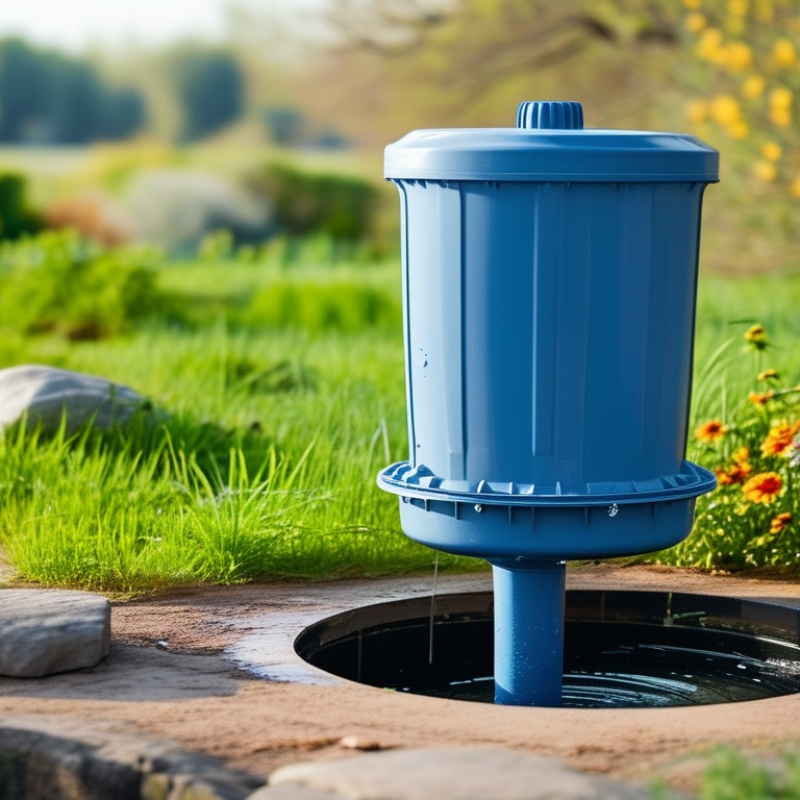
Table of Contents [Hide]
Understanding Spin Down Filters: An Overview
Spin down filters are an essential part of many water systems. Designed to protect plumbing and appliances, they prevent debris from causing issues. These filters work by trapping larger particles in a mesh screen. Over time, sediment accumulates, making it easier to maintain clean systems.
The effectiveness of spin down filters lies in their simplicity. They require minimal maintenance. Users can easily clean the filter as needed. This process often involves simply flushing out the trapped debris. In terms of reliability, the design is straightforward. A well-installed filter can serve effectively for several years. However, some may overlook regular cleaning, leading to decreased performance.
Understanding the construction of these filters is key. They typically feature a transparent body, allowing users to see the filtration process in action. This visibility can encourage proactive maintenance. Users may feel empowered by closely monitoring their water quality. Yet, it’s also easy to forget about the filter. This lack of attention may result in clogs, affecting water flow.