


- Home
- A-Z Catalogue
- Products
- Valves
- Cetop
- Manual Directional Valves
- Proportional Valves
- Poppet Valves
- High-Speed Linear Servo Valves
- All High-Speed Linear Servo Valves
- Cetop 10 (NG32) Two Stage Type High Speed Linear Servo Valves – LSVHG-10
- Cetop 10 (NG32) Two Stage Type High Speed Linear Servo Valves – LSVHG-10 (With Fail-Safe)
- Cetop 8 (NG25) Two Stage Type High Speed Linear Servo Valves – LSVHG-06
- Cetop 8 (NG25) Two Stage Type High Speed Linear Servo Valves – LSVHG-06 (With Fail-Safe)
- Cetop 7 (NG16) Two Stage Type High Speed Linear Servo Valves – LSVHG-04
- Cetop 7 (NG16) Two Stage Type High Speed Linear Servo Valves – LSVHG-04 (With Fail-Safe)
- Cetop 5 (NG10) Direct Type High Speed Linear Servo Valves – LSVG-03
- Cetop 5 (NG10) OBE Type Direct Operated Linear Servo Valves – LSVG-03-EH
- Cetop 3 (NG6) OBE Type Direct Operated Linear Servo Valves – LSVG-01-EH
- Pumps
- Pressure control
- Flow Control Valves
- Pressure Control Valves
- All Pressure Control Valves
- Brake Valves
- Direct Relief Valve
- Low Noise Solenoid Controlled Relief Valves
- Low Noise Pilot Operated Relief Valves
- Pilot Operated Relief Valves
- Pressure reducing and relieving valves
- Pressure reducing and check valves
- Pressure control valves
- Remote Control Relief Valves
- Solenoid Controlled Relief Valves – BSG
- Solenoid Controlled Relief Valves – BST
- Unloading relief valves
- Check valves
- Environmental
- Valves
- Hydraulic Systems
- Power pack
- About Us
- Contact
- Blog

China Top Safety Lockout Padlock Manufacturers
Choosing among China’s top safety lockout padlock manufacturers calls for more than comparing prices or catalog photos. Safety Lockout Padlocks help workers identify and secure equipment during maintenance, but a padlock is only one part of a complete lockout procedure. Fit matters. A bright red or yellow body may be easy to spot on a crowded panel, while a durable shackle and clearly marked key can help reduce mix-ups across shifts.
Manufacturers differ in materials, keying systems, customization options, production capacity, and quality controls. Buyers should ask specific questions: Is the body suitable for the site’s temperature and chemical exposure? Can each worker receive a uniquely keyed lock? Are samples available for checking shackle clearance and label readability? These details often reveal more than polished product images. Still, no supplier’s brochure can replace a practical inspection.
This guide introduces key factors for assessing Chinese manufacturers, including product design, factory capability, documentation, communication, and after-sales support. It also explains why certificates and test reports should be checked for scope, date, and relevance to the intended market. A low quotation may look attractive, yet inconsistent keys or delayed replacement parts can create real operational friction. The best choice depends on the equipment, workforce, and maintenance routines involved. There is no universal winner. Careful comparison, clear specifications, and a small sample order can help buyers make a more confident decision.
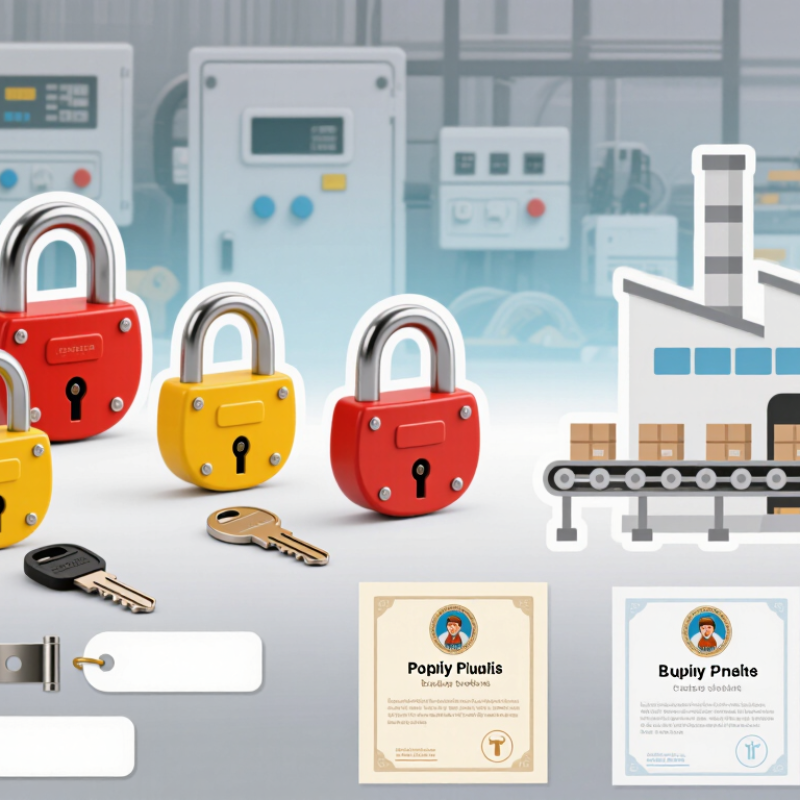
Table of Contents [Hide]
What Are Safety Lockout Padlocks and Why Do They Matter?
A safety lockout padlock helps keep a machine’s energy-isolating device in the off position during maintenance. A worker attaches the lock to a breaker, valve, or other isolation point, then keeps the key. The lock is a physical reminder: do not restart this equipment. It is small, but its role is serious. A red lock on a control panel can prevent a colleague from restoring power while someone’s hands are inside a machine.
The U.S. Occupational Safety and Health Administration estimates that effective control of hazardous energy could prevent about 120 fatalities and 50,000 injuries each year. These figures concern lockout/tagout practices overall, not padlocks alone. That distinction matters. A padlock cannot replace training, clear procedures, or verification that stored energy has been released. Before work begins, employees should test the equipment and confirm it cannot operate. The key should stay with the person exposed to the hazard.
A suitable lock needs a clearly identifiable owner, durable markings, and a shackle that fits the isolation point. In damp workshops, oil, dust, and repeated handling can wear down labels or mechanisms. Inspect locks regularly. Replace damaged ones promptly. A lock may look secure and still be poorly managed. Good systems depend on people following the steps, even when production is waiting.