


- Home
- A-Z Catalogue
- Products
- Valves
- Cetop
- Manual Directional Valves
- Proportional Valves
- Poppet Valves
- High-Speed Linear Servo Valves
- All High-Speed Linear Servo Valves
- Cetop 10 (NG32) Two Stage Type High Speed Linear Servo Valves – LSVHG-10
- Cetop 10 (NG32) Two Stage Type High Speed Linear Servo Valves – LSVHG-10 (With Fail-Safe)
- Cetop 8 (NG25) Two Stage Type High Speed Linear Servo Valves – LSVHG-06
- Cetop 8 (NG25) Two Stage Type High Speed Linear Servo Valves – LSVHG-06 (With Fail-Safe)
- Cetop 7 (NG16) Two Stage Type High Speed Linear Servo Valves – LSVHG-04
- Cetop 7 (NG16) Two Stage Type High Speed Linear Servo Valves – LSVHG-04 (With Fail-Safe)
- Cetop 5 (NG10) Direct Type High Speed Linear Servo Valves – LSVG-03
- Cetop 5 (NG10) OBE Type Direct Operated Linear Servo Valves – LSVG-03-EH
- Cetop 3 (NG6) OBE Type Direct Operated Linear Servo Valves – LSVG-01-EH
- Pumps
- Pressure control
- Flow Control Valves
- Pressure Control Valves
- All Pressure Control Valves
- Brake Valves
- Direct Relief Valve
- Low Noise Solenoid Controlled Relief Valves
- Low Noise Pilot Operated Relief Valves
- Pilot Operated Relief Valves
- Pressure reducing and relieving valves
- Pressure reducing and check valves
- Pressure control valves
- Remote Control Relief Valves
- Solenoid Controlled Relief Valves – BSG
- Solenoid Controlled Relief Valves – BST
- Unloading relief valves
- Check valves
- Environmental
- Valves
- Hydraulic Systems
- Power pack
- About Us
- Contact
- Blog

China Top Cooled IR Camera Module Suppliers?
Choosing the right Cooled Ir Camera Module supplier in China requires more than comparing prices or catalog specifications. Detector material, cooling technology, optical compatibility, export support, and long-term calibration stability all influence field performance. A module may look impressive in a laboratory, yet produce weak results behind a thermal window or under vibration.
Infrared-detector authority Alexander V. Rogalski wrote, “Infrared detectors are the key elements of all infrared systems.” His observation remains practical today. A cooled module depends on its detector, but also on the cooler, readout circuit, housing, software, and testing process. Small differences matter. A 15-micron pixel pitch, a low-noise readout, or a stable Stirling cooler can change the final image significantly.
This guide examines leading Chinese suppliers through verifiable capabilities, not marketing language alone. It considers MWIR and LWIR options, detector formats, NETD performance, cooling time, integration support, certifications, and after-sales responsiveness. Supplier experience in defense-related markets may be relevant, but commercial, industrial, scientific, and security applications require different evidence. Public rankings can also become outdated quickly.
That is the imperfect part.
A “top” supplier is not always the best fit. Buyers should request current datasheets, sample images, test conditions, and reference projects before making a decision. Factory visits, technical interviews, and independent performance checks can reveal details that brochures hide. The goal is not to name one universal winner. It is to identify the supplier whose Cooled Ir Camera Module matches the application, budget, environment, and expected service life.
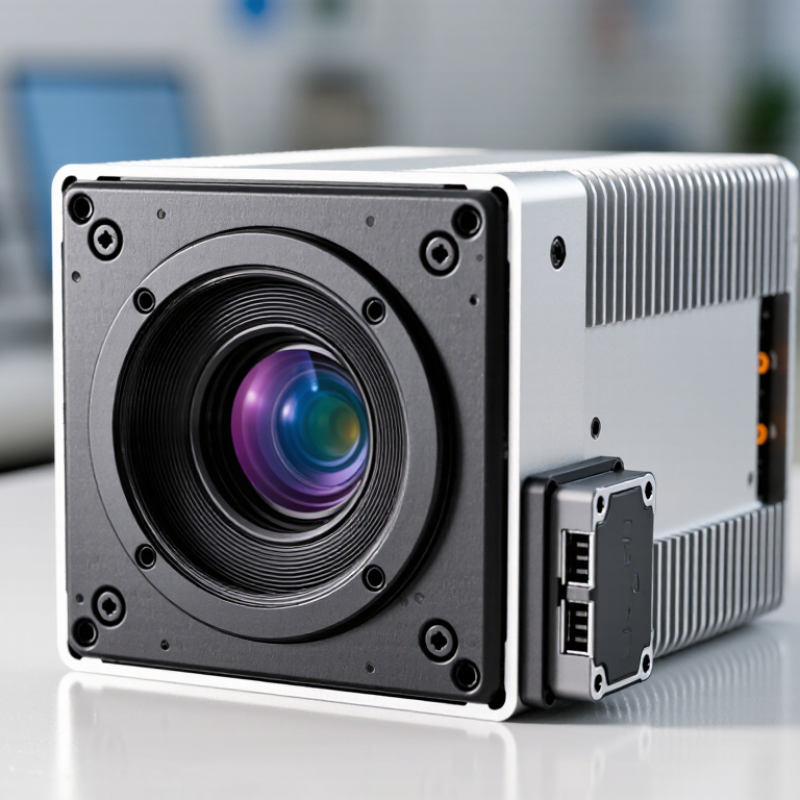
Table of Contents [Hide]
What Is a Cooled IR Camera Module?
A cooled IR camera module uses a cryogenically cooled detector to capture thermal radiation with higher sensitivity. A miniature Stirling cooler often reduces detector temperature near 77 K. This suppresses electronic noise and improves weak-signal detection. The result is sharper imagery in the mid-wave infrared range, especially around 3–5 micrometres.
According to the 2024 MarketsandMarkets Infrared Imaging Market report, the global infrared imaging market is projected to grow from approximately USD 7.4 billion in 2024 to USD 10.7 billion by 2029. Cooled modules support demanding applications, including long-range monitoring, scientific measurement, and industrial inspection. Yole Group’s 2024 infrared detector analysis also highlights continuing demand for high-performance cooled sensors, particularly in MWIR systems. Performance depends on more than detector temperature. Optical transmission, cooler vibration, calibration stability, and frame rate matter greatly.
A practical module should provide low noise, stable temperature control, and simple electrical integration. It must also survive repeated thermal cycles. That detail is often underestimated. Engineers should compare NETD, cooldown time, power consumption, and service life under identical test conditions. Reported specifications can look impressive, yet laboratory results may not represent field performance. Independent testing remains essential, especially when atmospheric absorption, vibration, or changing backgrounds affect image quality. There is no perfect module. The best choice depends on the target scene, operating distance, and acceptable maintenance burden.