Why is a Warning Triangle Essential for Road Safety?
Road safety relies heavily on precautionary measures. One essential item is the Warning Triangle. This small but crucial device can make a significant difference during roadside emergencies. Its bright colors and reflective materials ensure visibility, even in low light conditions. This visibility acts as a buffer between the vehicle and oncoming traffic, which might be traveling at speed.
Drivers often underestimate the importance of a warning triangle. Many believe it’s unnecessary until they find themselves in an emergency. However, every year, countless accidents occur due to vehicles stranded on the side of the road. Without a warning triangle, these vehicles are at a higher risk of collision. It’s a simple tool that can prevent potential tragedies.
Using a warning triangle is not just a matter of personal safety; it also affects other drivers. When they see the triangle, they are better prepared to react. It prompts them to slow down and navigate carefully. In a world where distractions are commonplace, having a warning triangle readily available is a responsible choice. Ultimately, it reflects a commitment to road safety for oneself and others.
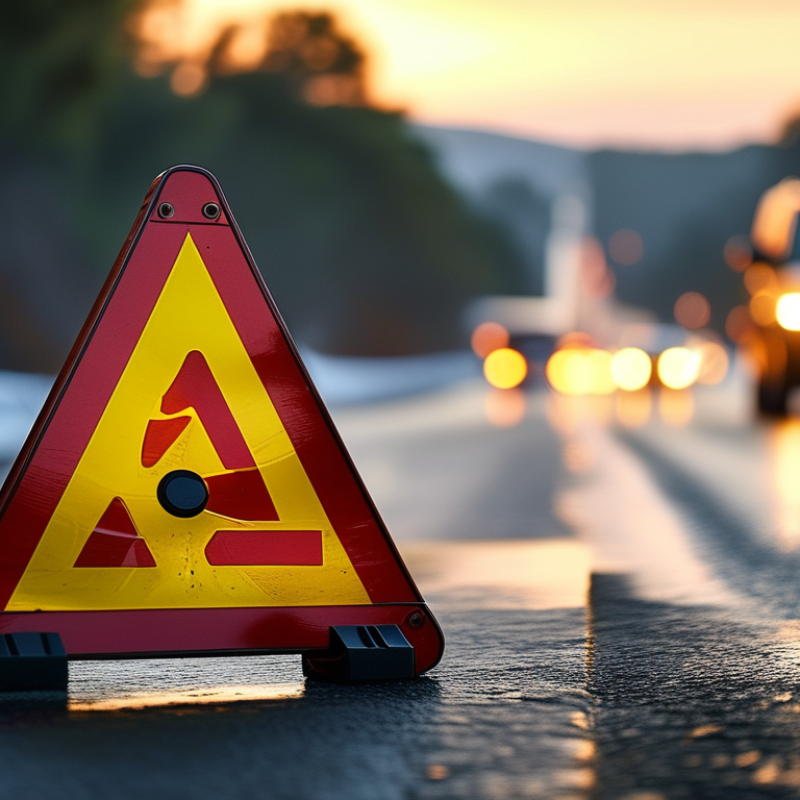
Importance of Road Safety and Vehicle Safety Equipment
Road safety is a critical aspect of driving, and using proper vehicle safety equipment is vital. A warning triangle serves as an important tool. It alerts oncoming traffic to potential hazards. When a vehicle breaks down, this triangle can prevent accidents. Without it, other drivers may not see you in time. This is especially crucial on busy roads.
Additionally, the presence of a warning triangle reflects a driver's preparedness. It shows that safety is a priority. Many may overlook its importance, thinking it’s just a piece of plastic. However, an easily visible triangle can save lives. Some drivers become complacent, unaware of their surroundings. They forget that even minor incidents can escalate quickly if not addressed.
Many vehicles come equipped with basic safety tools, but often, these are neglected. A warning triangle should be among the essentials. Yet, statistics indicate that not all drivers carry one. This negligence can lead to preventable accidents. Creating a habit of checking safety equipment before trips can enhance road safety. It's a small effort that can have significant consequences.
Importance of Warning Triangle for Road Safety
Role of Warning Triangles in Emergency Situations
In emergency situations, using a warning triangle can significantly enhance road safety. This simple tool is vital for alerting other drivers of a potential hazard. When your vehicle breaks down, placing the triangle behind it helps to create a safe distance. The bright color and reflective surface catch attention, especially in low light or adverse weather.
However, many drivers underestimate its importance. They might think a hazard warning light is sufficient. But lights can sometimes be overlooked, especially during the day. A warning triangle provides a clear visual cue. It's also essential to place the triangle at the appropriate distance. Too close, and it may offer little protection; too far, and it risks being unnoticed. This positioning can be a critical factor in preventing further accidents.
Additionally, it's important to remember that some people may not know how to use a warning triangle correctly. Proper training or guidance can help ensure that all drivers understand its role. After all, ensuring everyone's safety on the road should be a collective responsibility. Taking a few moments to set up a warning triangle can save lives, making it an essential part of any driver’s safety kit.
Legal Requirements for Warning Triangles in Different Regions
In many regions, having a warning triangle in your vehicle is not just a safety precaution; it's a legal requirement. For example, in Europe, drivers must use a warning triangle when their vehicle is immobilized due to a breakdown or accident. This practice helps alert other drivers to potential hazards. The location and visibility of the triangle are crucial. Placing it at an appropriate distance ensures that approaching vehicles can react in time.
Not all countries have the same laws, which can lead to confusion for travelers. In some regions, the law mandates carrying a warning triangle, but does not require its use. This inconsistency can create risky situations. Drivers may unknowingly violate the law just because they lack awareness. Regular checks on such legalities can prevent mishaps. It's essential for drivers to understand their obligations based on where they are driving.
A warning triangle can save lives, but it must be used correctly. The triangle should be sturdy and compliant with safety standards. Poor quality triangles might not serve their purpose well. Drivers must also remember to place it in a visible spot, away from their vehicle, to enhance visibility for approaching motorists. Adhering to these practices not only ensures compliance with the law but also contributes to overall road safety.
Best Practices for Using a Warning Triangle Effectively
A warning triangle is a vital tool for road safety, particularly during emergencies. Knowing how to use it effectively can save lives. Positioning the triangle correctly is key. Place it at least 30 meters behind your vehicle on highways. This distance gives approaching drivers ample warning to slow down.
Consider the terrain where your car is halted. Set the triangle on flat ground whenever possible. However, on curves or inclines, ensure it is visible. Make sure it stands out. Bright colors and reflective materials enhance visibility, especially at night.
Remember, practice makes perfect. Familiarize yourself with the setup process beforehand. It’s easy to overlook how stressful it can be during a real situation. Assess your environment as you do this. Distractions abound, and it’s crucial to remain composed. A warning triangle should always be included in your emergency kit. Being prepared can help you respond confidently when you need it most.
Tips for Maintaining and Storing Your Warning Triangle
A warning triangle is a crucial safety tool for any driver. However, knowing how to maintain and store it is equally important. After using the triangle, inspect it for any damage. Look for cracks or missing reflective elements. A damaged triangle may not be effective in emergencies. Replace it if necessary.
For storage, keep the warning triangle in an accessible location within your vehicle. It should be easy to retrieve during roadside emergencies. Consider placing it in a designated storage bag to prevent wear and tear. Avoid storing it under heavy items, which could cause damage. You might want to check it regularly to ensure it’s always ready for use.
Proper care can extend the life of your warning triangle. If you notice fading colors, it may lose visibility. Keeping it clean will help maintain its reflective properties. These small steps could make a big difference in ensuring your safety and the safety of others on the road.
Why is a Warning Triangle Essential for Road Safety? - Tips for Maintaining and Storing Your Warning Triangle
| Aspect | Importance | Maintenance Tips | Storage Recommendations |
| Visibility | Increases safety by alerting oncoming traffic | Regularly check for damage or wear | Store in a dry place, away from direct sunlight |
| Legal Requirement | Required by law in many regions | Ensure it complies with local regulations | Keep with emergency equipment in the vehicle |
| Emergency Situations | Essential for breakdowns or accidents | Clean regularly to ensure visibility | Use a designated pouch to avoid damage |
| Reflectivity | Enhances visibility at night | Check reflective surfaces for degradation | Store away from items that may scratch it |
| Usage Instructions | Proper usage increases effectiveness | Read and follow manufacturer guidelines | Keep a manual with the triangle in storage |