


- Home
- A-Z Catalogue
- Products
- Valves
- Cetop
- Manual Directional Valves
- Proportional Valves
- Poppet Valves
- High-Speed Linear Servo Valves
- All High-Speed Linear Servo Valves
- Cetop 10 (NG32) Two Stage Type High Speed Linear Servo Valves – LSVHG-10
- Cetop 10 (NG32) Two Stage Type High Speed Linear Servo Valves – LSVHG-10 (With Fail-Safe)
- Cetop 8 (NG25) Two Stage Type High Speed Linear Servo Valves – LSVHG-06
- Cetop 8 (NG25) Two Stage Type High Speed Linear Servo Valves – LSVHG-06 (With Fail-Safe)
- Cetop 7 (NG16) Two Stage Type High Speed Linear Servo Valves – LSVHG-04
- Cetop 7 (NG16) Two Stage Type High Speed Linear Servo Valves – LSVHG-04 (With Fail-Safe)
- Cetop 5 (NG10) Direct Type High Speed Linear Servo Valves – LSVG-03
- Cetop 5 (NG10) OBE Type Direct Operated Linear Servo Valves – LSVG-03-EH
- Cetop 3 (NG6) OBE Type Direct Operated Linear Servo Valves – LSVG-01-EH
- Pumps
- Pressure control
- Flow Control Valves
- Pressure Control Valves
- All Pressure Control Valves
- Brake Valves
- Direct Relief Valve
- Low Noise Solenoid Controlled Relief Valves
- Low Noise Pilot Operated Relief Valves
- Pilot Operated Relief Valves
- Pressure reducing and relieving valves
- Pressure reducing and check valves
- Pressure control valves
- Remote Control Relief Valves
- Solenoid Controlled Relief Valves – BSG
- Solenoid Controlled Relief Valves – BST
- Unloading relief valves
- Check valves
- Environmental
- Valves
- Hydraulic Systems
- Power pack
- About Us
- Contact
- Blog

What Are the Best Hydraulic Components from China?
Choosing the best hydraulic components from China requires more than comparing catalog prices. Performance depends on design accuracy, material control, testing discipline, and after-sales support. A valve may look excellent in a product photograph, yet fail after thousands of pressure cycles. That gap matters.
Hydraulic engineer John Watton emphasizes a practical principle: “The performance of a hydraulic system depends on the interaction of its components.” This idea guides our evaluation. We examine pumps, valves, cylinders, filters, fittings, and seals as working parts of one system. Flow rate, pressure rating, contamination tolerance, response time, and service life must match the application. A compact excavator, for example, needs components that tolerate vibration, dust, temperature changes, and sudden load shifts.
Real evidence matters.
Reliable Chinese manufacturers usually provide dimensional drawings, pressure-test records, material information, and clear warranty terms. Factory audits can reveal details that brochures hide, such as unfinished ports, inconsistent coating thickness, or poorly controlled assembly areas. We also consider international certifications, traceability, machining capability, and the supplier’s ability to produce replacement parts.
Still, no shortlist is perfect. Some suppliers communicate well but lack field history. Others offer impressive prices but limited documentation. Assuming that all Chinese hydraulic components are equal would be careless. The best choice depends on verified performance, not nationality alone. This guide compares leading options through technical specifications, manufacturing experience, application suitability, and long-term reliability, while acknowledging where available evidence remains incomplete.
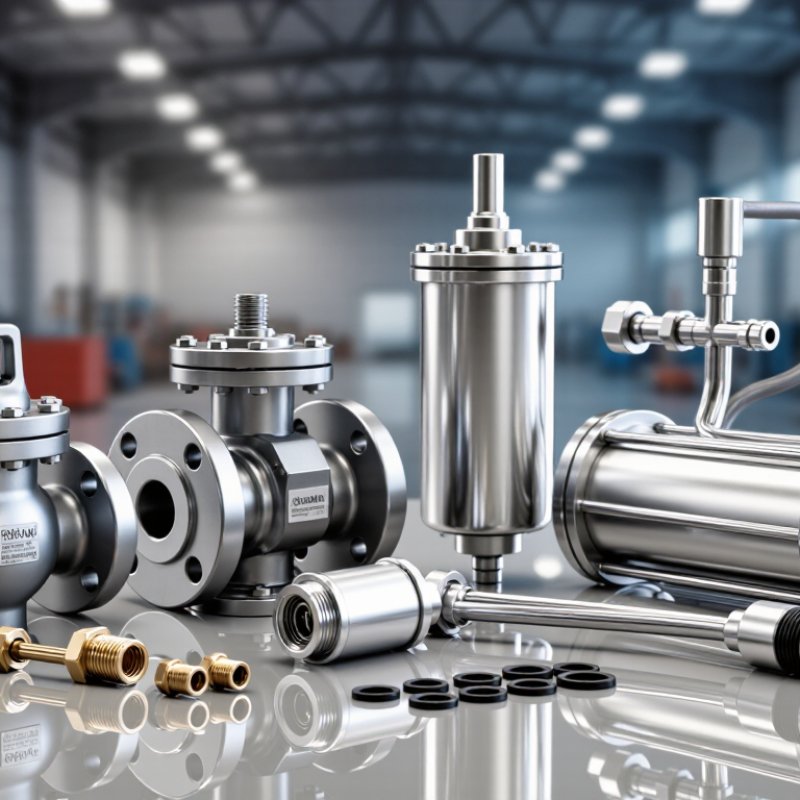
Table of Contents
[Hide]
Hydraulic Components China Produces and Supplies
China produces and supplies a broad range of hydraulic components for construction, agriculture, manufacturing, and material-handling equipment. Common products include hydraulic pumps, directional valves, cylinders, power units, fittings, filters, and sealing parts. Suppliers often support custom dimensions, mounting patterns, port sizes, and pressure ratings. This flexibility helps buyers match components with existing machinery instead of redesigning entire systems.
A reliable sourcing process needs more than a competitive quotation. Check pressure-test records, material certificates, dimensional reports, and batch traceability. Confirm whether the component suits the required flow, operating pressure, temperature, and fluid type. Cleanliness is also critical. Small particles can damage valves and shorten pump life. In practical sourcing work, a low price can look attractive, but inconsistent seals may create expensive downtime later. That lesson is easy to overlook.
Tips: Request a sample before ordering in volume. Compare the drawing with the physical part. Ask for test data, not only product photos. Inspect surface finish, thread accuracy, weld quality, and protective packaging. Keep communication precise, especially for metric and imperial dimensions. A few millimeters matter. Suppliers with stable inspection procedures and responsive technical support are usually safer choices. Still, no supplier is perfect; even a well-documented order deserves incoming inspection before installation.
Related Posts
-
How to Choose Hydraulic Components in 2026?
-

7 Essential Tips for Mastering Hydraulic Controls in Your Projects
-

Why Is Hydraulic Equipment Essential in Modern Industry?
-
Top Hydraulic Equipment Trends and Innovations for 2026?
-
China Top Hydraulic Equipment Suppliers for Global Buyers?
-

Top 10 Hydraulic System Innovations Transforming China Industries?





