


- Home
- A-Z Catalogue
- Products
- Valves
- Cetop
- Manual Directional Valves
- Proportional Valves
- Poppet Valves
- High-Speed Linear Servo Valves
- All High-Speed Linear Servo Valves
- Cetop 10 (NG32) Two Stage Type High Speed Linear Servo Valves – LSVHG-10
- Cetop 10 (NG32) Two Stage Type High Speed Linear Servo Valves – LSVHG-10 (With Fail-Safe)
- Cetop 8 (NG25) Two Stage Type High Speed Linear Servo Valves – LSVHG-06
- Cetop 8 (NG25) Two Stage Type High Speed Linear Servo Valves – LSVHG-06 (With Fail-Safe)
- Cetop 7 (NG16) Two Stage Type High Speed Linear Servo Valves – LSVHG-04
- Cetop 7 (NG16) Two Stage Type High Speed Linear Servo Valves – LSVHG-04 (With Fail-Safe)
- Cetop 5 (NG10) Direct Type High Speed Linear Servo Valves – LSVG-03
- Cetop 5 (NG10) OBE Type Direct Operated Linear Servo Valves – LSVG-03-EH
- Cetop 3 (NG6) OBE Type Direct Operated Linear Servo Valves – LSVG-01-EH
- Pumps
- Pressure control
- Flow Control Valves
- Pressure Control Valves
- All Pressure Control Valves
- Brake Valves
- Direct Relief Valve
- Low Noise Solenoid Controlled Relief Valves
- Low Noise Pilot Operated Relief Valves
- Pilot Operated Relief Valves
- Pressure reducing and relieving valves
- Pressure reducing and check valves
- Pressure control valves
- Remote Control Relief Valves
- Solenoid Controlled Relief Valves – BSG
- Solenoid Controlled Relief Valves – BST
- Unloading relief valves
- Check valves
- Environmental
- Valves
- Hydraulic Systems
- Power pack
- About Us
- Contact
- Blog

Where to Buy China Top PC200-7 PC300-8 Excavators?
Buying a China-sourced PC200-7/PC300-8 excavator requires more than comparing online prices. Buyers must verify origin, operating hours, specifications, and export documentation before payment. These models are commonly offered as used, refurbished, or second-hand machines. Their condition can vary significantly.
Industry data provides useful market context. The China Construction Machinery Association publishes excavator sales information and market trends. Its reports show that excavator demand moves with infrastructure investment, property activity, and replacement cycles. Off-Highway Research also tracks global construction equipment demand, regional sales patterns, and fleet renewal. Meanwhile, KHL’s Yellow Table ranks leading manufacturers by annual construction equipment revenue. These sources support a practical conclusion: market reputation matters, but each machine still requires independent inspection.
Where should buyers look? Established Chinese machinery exporters, authorized dealer networks, verified trading platforms, and auction companies can all be considered. Ask for the serial number, engine plate photographs, maintenance records, hydraulic test results, and a cold-start video. Small details matter. Check the bucket linkage. Inspect cylinder rods for scoring. Listen for abnormal swing-motor noise.
Do not trust polished photos alone. A clean cab may hide worn pumps or repaired frames. I would not treat a low quote as a bargain without checking shipping, customs, warranty, and spare-parts support. Model year, configuration, and local compliance requirements can differ. Independent inspection remains essential, especially when the seller is overseas. Reliable suppliers explain limitations clearly, provide traceable documents, and accept reasonable pre-shipment verification.
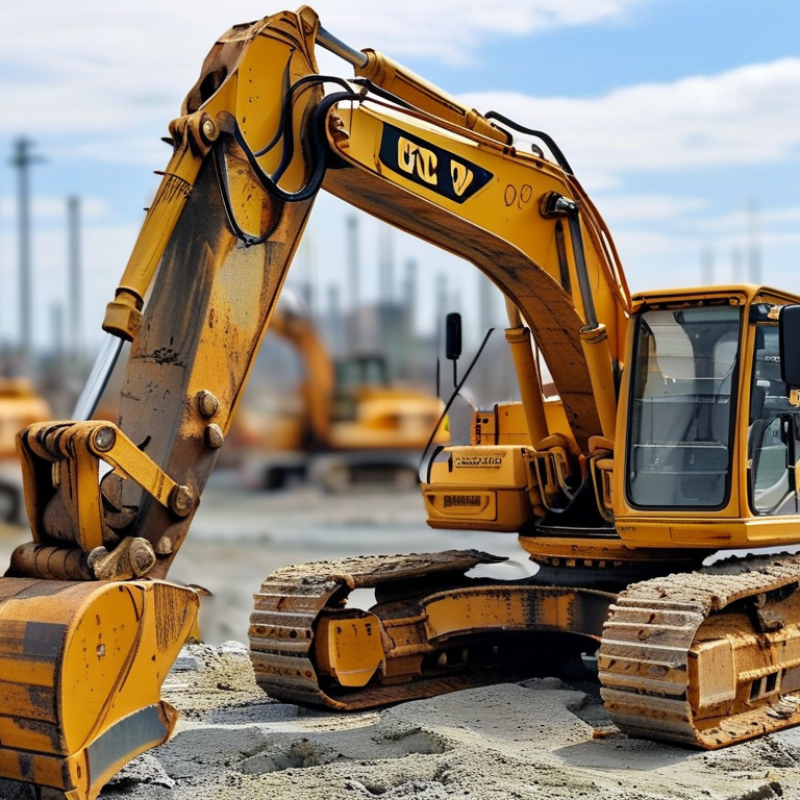
Table of Contents [Hide]
Understanding the China PC200-7 and PC300-8 Excavator Models
Understanding the China PC200-7 and PC300-8 Excavator Models
The PC200-7 and PC300-8 are commonly classified as 20-ton and 30-ton excavators. Their operating weights usually range from 20 to 22 tonnes and 30 to 32 tonnes. Actual figures depend on the boom, bucket, counterweight, and undercarriage. The PC200-7 suits roadwork, drainage, and general earthmoving. The PC300-8 offers greater digging force for quarry work, deep foundations, and heavy loading. It also needs wider transport planning and stronger ground support.
China’s Construction Machinery Industry Association reported about 195,000 excavators sold in China during 2023. Exports represented more than half of those sales. This indicates strong international supply capacity, but not every used machine deserves the same trust. Buyers should verify serial records, hydraulic pressure, engine smoke, travel motor balance, and hour-meter consistency. Check the swing bearing closely. Small movement can signal expensive wear. Independent inspection matters.
When sourcing these models, compare factory-direct listings, established machinery dealers, and verified auction platforms. Request cold-start videos, oil-analysis reports, maintenance invoices, and clear undercarriage photographs. Off-Highway Research identifies Asia as the largest regional market for construction equipment, supporting broad parts availability. Still, parts support varies by destination. I would not rely on model labels alone. Some advertised machines have mixed components or incomplete repair histories. A lower purchase price can become costly after shipping, customs handling, and hydraulic refurbishment. Specification sheets are useful, but physical evidence is better.