


- Home
- A-Z Catalogue
- Products
- Valves
- Cetop
- Manual Directional Valves
- Proportional Valves
- Poppet Valves
- High-Speed Linear Servo Valves
- All High-Speed Linear Servo Valves
- Cetop 10 (NG32) Two Stage Type High Speed Linear Servo Valves – LSVHG-10
- Cetop 10 (NG32) Two Stage Type High Speed Linear Servo Valves – LSVHG-10 (With Fail-Safe)
- Cetop 8 (NG25) Two Stage Type High Speed Linear Servo Valves – LSVHG-06
- Cetop 8 (NG25) Two Stage Type High Speed Linear Servo Valves – LSVHG-06 (With Fail-Safe)
- Cetop 7 (NG16) Two Stage Type High Speed Linear Servo Valves – LSVHG-04
- Cetop 7 (NG16) Two Stage Type High Speed Linear Servo Valves – LSVHG-04 (With Fail-Safe)
- Cetop 5 (NG10) Direct Type High Speed Linear Servo Valves – LSVG-03
- Cetop 5 (NG10) OBE Type Direct Operated Linear Servo Valves – LSVG-03-EH
- Cetop 3 (NG6) OBE Type Direct Operated Linear Servo Valves – LSVG-01-EH
- Pumps
- Pressure control
- Flow Control Valves
- Pressure Control Valves
- All Pressure Control Valves
- Brake Valves
- Direct Relief Valve
- Low Noise Solenoid Controlled Relief Valves
- Low Noise Pilot Operated Relief Valves
- Pilot Operated Relief Valves
- Pressure reducing and relieving valves
- Pressure reducing and check valves
- Pressure control valves
- Remote Control Relief Valves
- Solenoid Controlled Relief Valves – BSG
- Solenoid Controlled Relief Valves – BST
- Unloading relief valves
- Check valves
- Environmental
- Valves
- Hydraulic Systems
- Power pack
- About Us
- Contact
- Blog

Why Choose Metal Shingles for Your Roofing Project?
Choosing the right roof involves more than comparing color samples and installation prices. Metal Shingles offer durability, fire resistance, and distinctive architectural character. They can resemble slate, wood, or traditional asphalt while providing stronger long-term performance.
The International Association of Certified Home Inspectors reports that properly installed metal roofs may last 40–70 years. Asphalt shingles commonly last 15–30 years. The Metal Roofing Alliance also reports that many metal roofing products contain recycled material and remain fully recyclable after removal. These figures are encouraging, but they are not guarantees. Coastal salt, poor ventilation, incorrect fastening, and weak underlayment can reduce service life.
Energy performance deserves attention, too. The U.S. Department of Energy explains that reflective roofing can lower roof temperatures and reduce cooling demand. Results vary by climate, insulation, roof color, and ventilation. Small details matter.
Todd Miller, a recognized metal-roofing specialist and president of Isaiah Industries, has stated, “A metal roof is a long-term investment in the protection and value of your home.” That perspective supports a practical evaluation. Metal Shingles should be judged as a complete roofing system, not as attractive panels alone.
A careful project review includes local weather exposure, substrate condition, snow loads, installation standards, and warranty language. The cheapest bid may not be the most economical choice. Nor is metal automatically superior for every building. When matched with qualified installation and suitable detailing, Metal Shingles can provide a resilient, visually refined, and potentially lower-maintenance roofing solution.
Sources: International Association of Certified Home Inspectors, “Roofing Materials”; U.S. Department of Energy, “Cool Roofs”; Metal Roofing Alliance, residential roofing sustainability information.
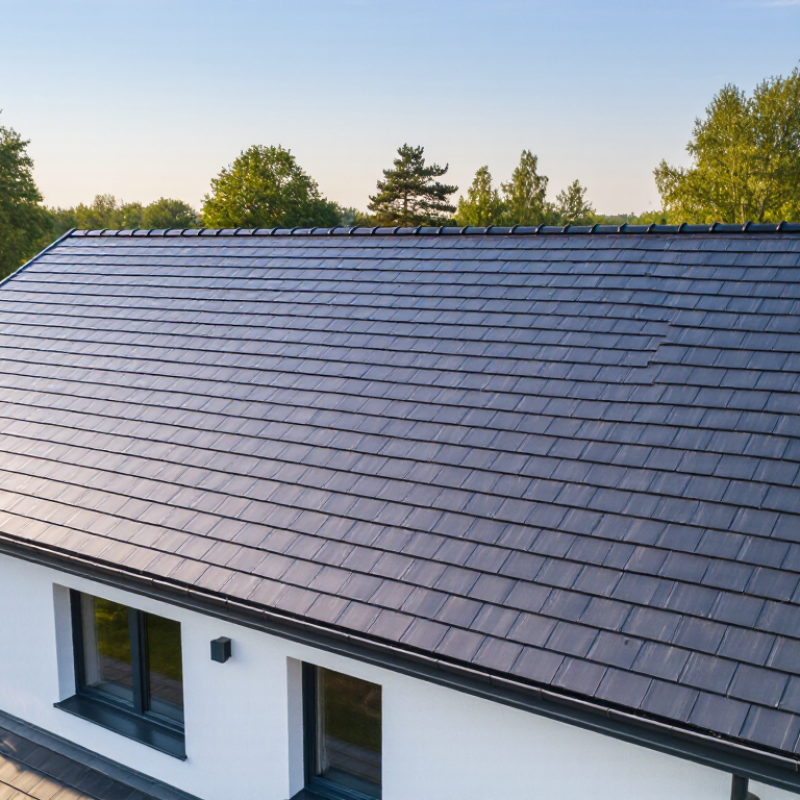
Table of Contents [Hide]
What Are Metal Shingles?
What Are Metal Shingles?
Metal shingles are small, factory-formed panels made from steel, aluminum, or copper. They interlock across the roof, creating a layered surface that sheds rain and resists wind-driven moisture. Textured finishes can resemble wood shakes, slate, or traditional asphalt shingles. Unlike loose roofing tiles, these panels attach to a continuous roof system with clips, fasteners, and underlayment.
Metal shingles are not simply “metal pieces.” Their performance depends on the alloy, coating, ventilation, and installation details. The U.S. Department of Energy reports that reflective roofing can reduce roof temperatures by up to 50°F in sunny conditions. Cooler surfaces may reduce heat entering the attic, but results vary with insulation and climate. The Metal Construction Association also notes that metal roofing products can include recycled content and remain recyclable after removal. That environmental advantage is useful, though it should not replace a full life-cycle review.
Tips: Ask for the product’s tested wind rating, fire classification, coating warranty, and corrosion resistance. Check how installers handle valleys, vents, and roof edges. Small mistakes become visible during heavy rain. I have seen attractive panels fail because flashing details were rushed. Metal shingles can last for decades, often around 40 to 70 years according to industry guidance, but poor ventilation may shorten that service life. A beautiful profile is not enough.