


- Home
- A-Z Catalogue
- Products
- Valves
- Cetop
- Manual Directional Valves
- Proportional Valves
- Poppet Valves
- High-Speed Linear Servo Valves
- All High-Speed Linear Servo Valves
- Cetop 10 (NG32) Two Stage Type High Speed Linear Servo Valves – LSVHG-10
- Cetop 10 (NG32) Two Stage Type High Speed Linear Servo Valves – LSVHG-10 (With Fail-Safe)
- Cetop 8 (NG25) Two Stage Type High Speed Linear Servo Valves – LSVHG-06
- Cetop 8 (NG25) Two Stage Type High Speed Linear Servo Valves – LSVHG-06 (With Fail-Safe)
- Cetop 7 (NG16) Two Stage Type High Speed Linear Servo Valves – LSVHG-04
- Cetop 7 (NG16) Two Stage Type High Speed Linear Servo Valves – LSVHG-04 (With Fail-Safe)
- Cetop 5 (NG10) Direct Type High Speed Linear Servo Valves – LSVG-03
- Cetop 5 (NG10) OBE Type Direct Operated Linear Servo Valves – LSVG-03-EH
- Cetop 3 (NG6) OBE Type Direct Operated Linear Servo Valves – LSVG-01-EH
- Pumps
- Pressure control
- Flow Control Valves
- Pressure Control Valves
- All Pressure Control Valves
- Brake Valves
- Direct Relief Valve
- Low Noise Solenoid Controlled Relief Valves
- Low Noise Pilot Operated Relief Valves
- Pilot Operated Relief Valves
- Pressure reducing and relieving valves
- Pressure reducing and check valves
- Pressure control valves
- Remote Control Relief Valves
- Solenoid Controlled Relief Valves – BSG
- Solenoid Controlled Relief Valves – BST
- Unloading relief valves
- Check valves
- Environmental
- Valves
- Hydraulic Systems
- Power pack
- About Us
- Contact
- Blog

What is a Yuken Directional Valve and How Does It Work?
The Yuken directional valve is a key component in hydraulic systems. It controls fluid flow, impacting the operation of machinery. Understanding its functions can be crucial for technicians and engineers.
A Yuken directional valve typically features several ports. These allow hydraulic fluid to enter and exit in various directions. With its ability to control flow paths, it plays a critical role in automated systems. However, improper installation or maintenance can lead to inefficiencies.
Without a clear understanding, errors can occur. The complexity of the Yuken directional valve may overwhelm beginners. It takes practice to master its nuances. Everyone on the team should have basic knowledge of its workings. This ensures smooth operation and minimizes downtime.
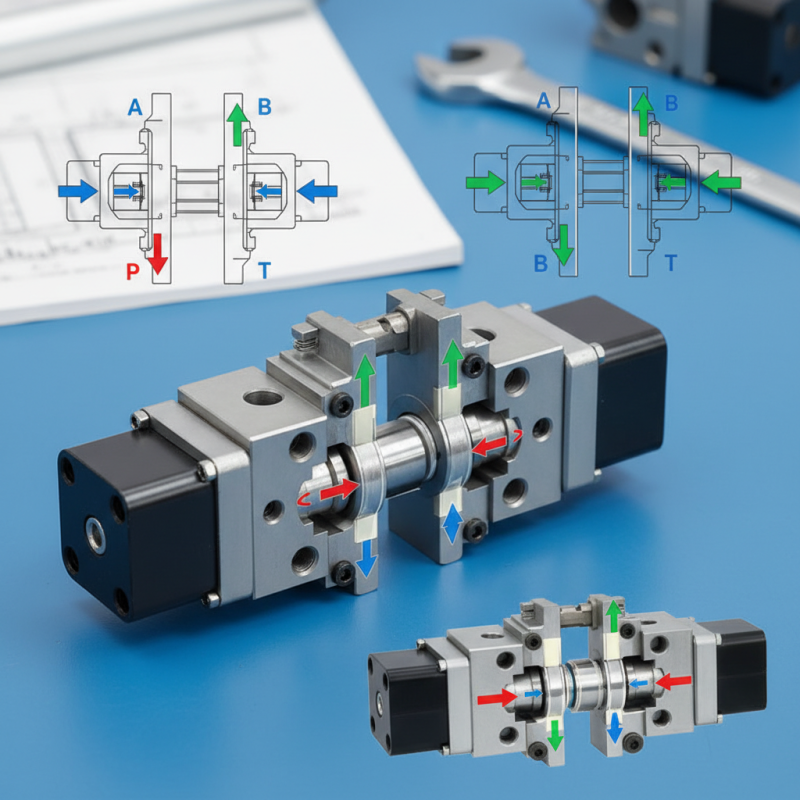
Table of Contents
[Hide]
What is a Yuken Directional Valve?
A Yuken directional valve is an essential component in hydraulic systems. It controls the flow of pressurized fluid. This allows machinery to operate efficiently. These valves can direct fluid to different paths, depending on the system's needs.
Understanding how a Yuken directional valve works is crucial. These valves contain a spool that shifts positions. This movement either opens or blocks certain passages. When engaged, the valve allows fluid to flow smoothly. When not, it stops the flow entirely. Simple, but crucial for performance.
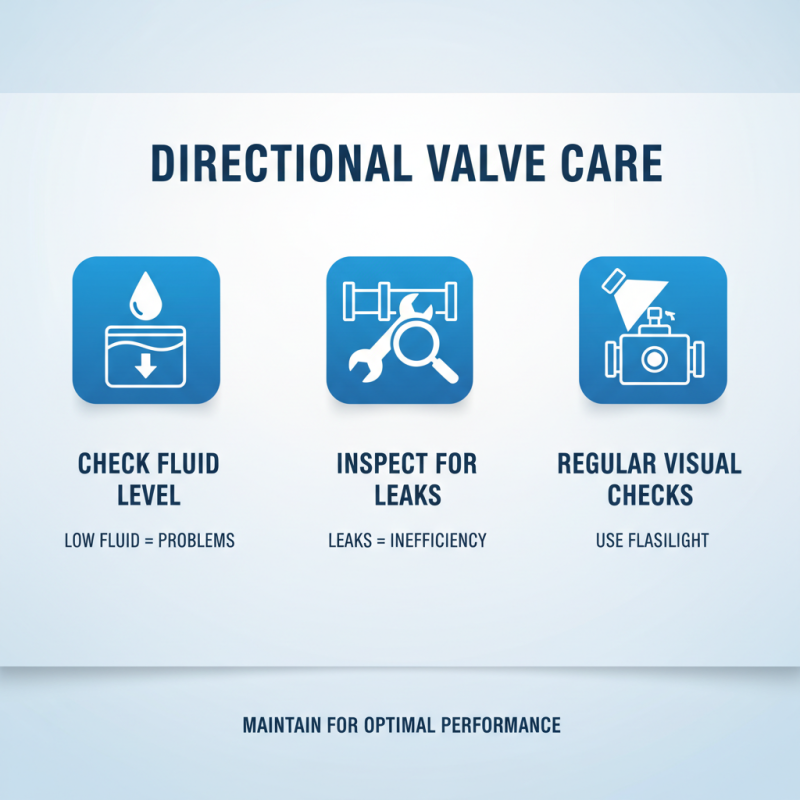
**Tip:** Regular maintenance is essential for optimal performance. Check for leaks or obstructions. A small issue can lead to bigger problems down the line.
Furthermore, Yuken valves can vary in complexity. Some are manual, while others are electrically controlled. A proper understanding of both types is necessary. A mistake in choosing the right type could derail a project.
**Tip:** Always consider your specific application. Matching the valve to your system is vital for efficiency.
Related Posts
-
Why Choose Yuken Valves for Your Industrial Applications
-

Exploring the Benefits of Yuken Directional Valves for Enhanced Hydraulic Performance
-
2025 How to Choose the Best Yuken Valve for Your Hydraulic System
-

Exploring the Benefits of Advanced Hydraulic Directional Valves for Efficient Fluid Control
-
Understanding the Role of Hydraulic Valves in Modern Industrial Applications
-
Understanding the Importance of Hydraulic Pressure Control Valves in Modern Industrial Applications