


- Home
- A-Z Catalogue
- Products
- Valves
- Cetop
- Manual Directional Valves
- Proportional Valves
- Poppet Valves
- High-Speed Linear Servo Valves
- All High-Speed Linear Servo Valves
- Cetop 10 (NG32) Two Stage Type High Speed Linear Servo Valves – LSVHG-10
- Cetop 10 (NG32) Two Stage Type High Speed Linear Servo Valves – LSVHG-10 (With Fail-Safe)
- Cetop 8 (NG25) Two Stage Type High Speed Linear Servo Valves – LSVHG-06
- Cetop 8 (NG25) Two Stage Type High Speed Linear Servo Valves – LSVHG-06 (With Fail-Safe)
- Cetop 7 (NG16) Two Stage Type High Speed Linear Servo Valves – LSVHG-04
- Cetop 7 (NG16) Two Stage Type High Speed Linear Servo Valves – LSVHG-04 (With Fail-Safe)
- Cetop 5 (NG10) Direct Type High Speed Linear Servo Valves – LSVG-03
- Cetop 5 (NG10) OBE Type Direct Operated Linear Servo Valves – LSVG-03-EH
- Cetop 3 (NG6) OBE Type Direct Operated Linear Servo Valves – LSVG-01-EH
- Pumps
- Pressure control
- Flow Control Valves
- Pressure Control Valves
- All Pressure Control Valves
- Brake Valves
- Direct Relief Valve
- Low Noise Solenoid Controlled Relief Valves
- Low Noise Pilot Operated Relief Valves
- Pilot Operated Relief Valves
- Pressure reducing and relieving valves
- Pressure reducing and check valves
- Pressure control valves
- Remote Control Relief Valves
- Solenoid Controlled Relief Valves – BSG
- Solenoid Controlled Relief Valves – BST
- Unloading relief valves
- Check valves
- Environmental
- Valves
- Hydraulic Systems
- Power pack
- About Us
- Contact
- Blog

7 Best Pressure Control Valves for Global Buyers?
Choosing the right pressure control valve can protect equipment, stabilize production, and reduce costly downtime. For global buyers, the decision involves more than price or advertised flow rates. Valve performance depends on pressure range, fluid type, temperature, connection size, control accuracy, and maintenance access. A compact brass valve may suit clean water, while a stainless steel design may better handle corrosive process fluids.
This guide examines seven strong pressure control valve options for international purchasing teams. Each option is considered through practical criteria, including construction quality, response speed, adjustment range, sealing performance, and long-term serviceability. Real operating conditions matter. A valve installed beside a vibrating pump faces different demands from one controlling pressure in a quiet laboratory line.
Standards matter too.
Buyers should verify material certificates, test reports, thread specifications, and compatibility with local installation requirements. Reliable suppliers should explain calibration procedures and provide replacement parts without vague promises. Experience suggests that after-sales support often matters more than a small initial discount. That point is easy to overlook.
The comparison is not perfect. Product availability, regional certifications, and supplier consistency can change quickly. Some valves perform exceptionally in narrow applications but disappoint when conditions shift. Therefore, the best choice should match the complete system, not merely the product ranking. Careful buyers will confirm operating data, request samples when practical, and test performance before approving large orders. This approach creates a more defensible purchasing decision and reduces unpleasant surprises after installation.
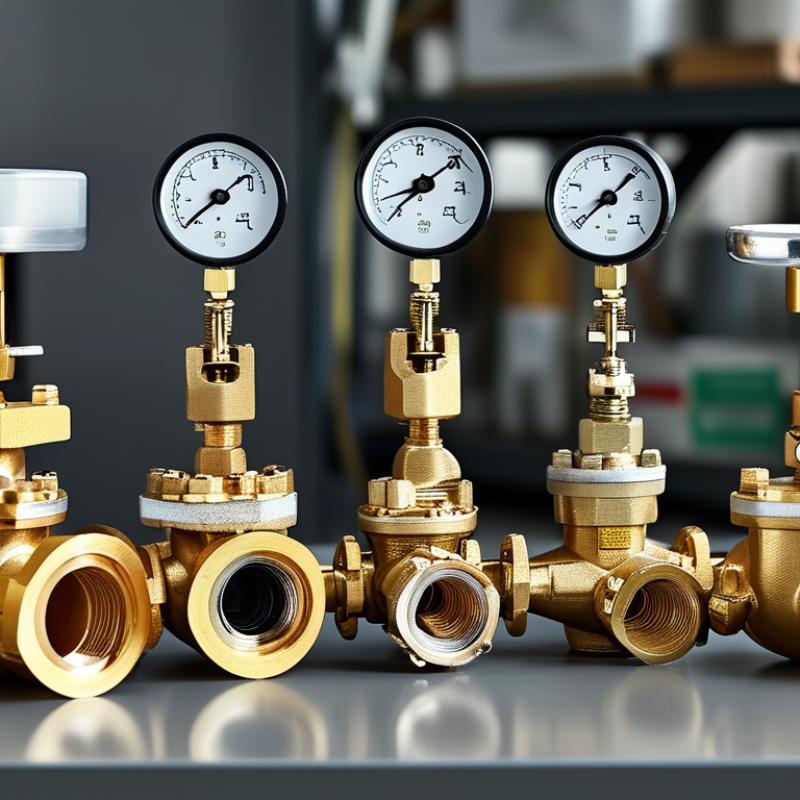
Table of Contents
[Hide]
Pressure Control Valve Fundamentals: ANSI Class 150–2500 and 0.1–400 bar
Pressure control valves must match both operating pressure and temperature. ANSI Class is not a direct bar value. ASME B16.34 rates valves by material, temperature, and pressure. At near-ambient temperature, Class 150 is roughly 19 bar, while Class 300 reaches about 51 bar. Class 600 approaches 102 bar. Class 900, 1500, and 2500 cover higher duties, reaching approximately 153, 255, and 400 bar respectively. These figures are practical references, not universal guarantees. Temperature can reduce allowable pressure significantly.
The 0.1–400 bar range covers delicate instrument systems, process lines, and demanding energy equipment. For low pressure, valve rangeability and signal stability matter more than body strength. At higher pressure, trim erosion, cavitation, leakage class, and actuator thrust require closer review. IEC 60534 sizing methods should support the selection. A 2024 Grand View Research report estimates the industrial valves market at more than 78 billion US dollars in 2023, with continued growth through 2030. That growth increases product choice, but not necessarily selection quality. Engineers still need verified test data.
Tips: Confirm pressure at the coldest and hottest operating points. Check the medium’s density and viscosity. Ask for hydrostatic and seat-leakage test records. Do not convert Class directly into bar without checking ASME material tables. I have seen neat spreadsheets fail here. The missing temperature column was the problem.
Related Posts
-

Understanding Pressure Control Valves: Types, Functions, and Applications
-

How to Choose the Right Pressure Control Valve for Your System?
-

Unlocking Efficiency: The Vital Role of Hydraulic Pressure Relief Valves in Industrial Systems
-
How to Choose a Hydraulic Control Valve in 2026?
-

Top Servo Valves Guide for Global Buyers in 2026
-
China Best Hydraulic Power Unit Options for Efficient Performance?