


- Home
- A-Z Catalogue
- Products
- Valves
- Cetop
- Manual Directional Valves
- Proportional Valves
- Poppet Valves
- High-Speed Linear Servo Valves
- All High-Speed Linear Servo Valves
- Cetop 10 (NG32) Two Stage Type High Speed Linear Servo Valves – LSVHG-10
- Cetop 10 (NG32) Two Stage Type High Speed Linear Servo Valves – LSVHG-10 (With Fail-Safe)
- Cetop 8 (NG25) Two Stage Type High Speed Linear Servo Valves – LSVHG-06
- Cetop 8 (NG25) Two Stage Type High Speed Linear Servo Valves – LSVHG-06 (With Fail-Safe)
- Cetop 7 (NG16) Two Stage Type High Speed Linear Servo Valves – LSVHG-04
- Cetop 7 (NG16) Two Stage Type High Speed Linear Servo Valves – LSVHG-04 (With Fail-Safe)
- Cetop 5 (NG10) Direct Type High Speed Linear Servo Valves – LSVG-03
- Cetop 5 (NG10) OBE Type Direct Operated Linear Servo Valves – LSVG-03-EH
- Cetop 3 (NG6) OBE Type Direct Operated Linear Servo Valves – LSVG-01-EH
- Pumps
- Pressure control
- Flow Control Valves
- Pressure Control Valves
- All Pressure Control Valves
- Brake Valves
- Direct Relief Valve
- Low Noise Solenoid Controlled Relief Valves
- Low Noise Pilot Operated Relief Valves
- Pilot Operated Relief Valves
- Pressure reducing and relieving valves
- Pressure reducing and check valves
- Pressure control valves
- Remote Control Relief Valves
- Solenoid Controlled Relief Valves – BSG
- Solenoid Controlled Relief Valves – BST
- Unloading relief valves
- Check valves
- Environmental
- Valves
- Hydraulic Systems
- Power pack
- About Us
- Contact
- Blog

2026 How to Choose a Hydraulic Relief Valve for Optimal Performance?
In the quest for optimal performance, selecting the right hydraulic relief valve is crucial. Industry expert John Smith emphasizes, "Choosing the correct hydraulic relief valve can save both time and resources." This statement reflects the importance of making informed decisions in the field of fluid power systems.
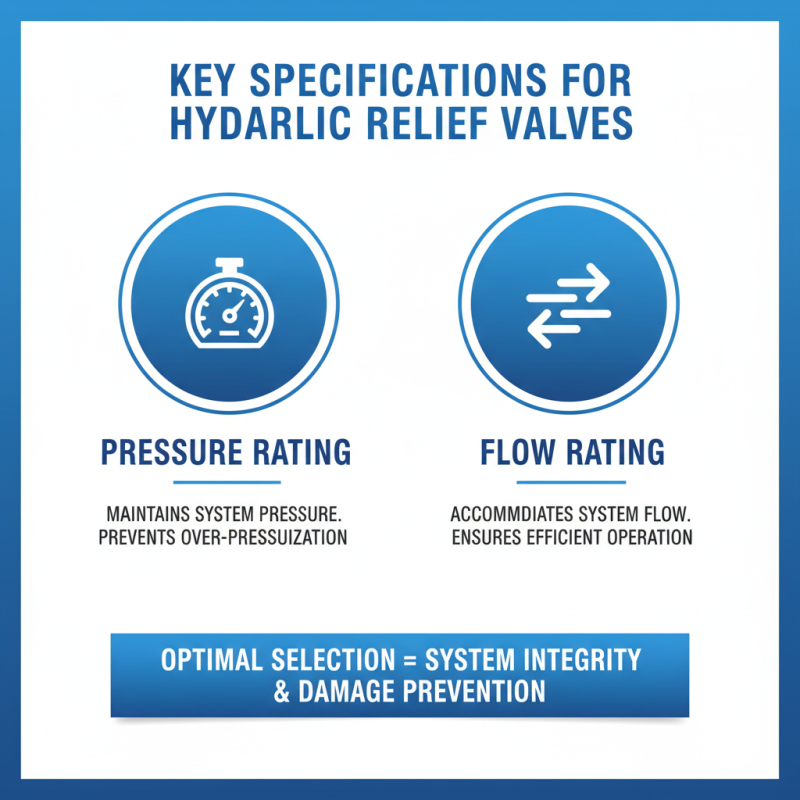
Hydraulic relief valves are essential components that ensure system safety. They prevent pressure build-up, safeguarding machinery and operators. When evaluating these valves, factors such as pressure rating, size, and response time must be considered. However, many overlook the specific application requirements, which could lead to inefficiencies.
Moreover, understanding the technical details can be challenging. Some engineers might focus solely on specifications, neglecting real-world conditions. This oversight can result in equipment failure or poor performance. An emphasis on practical application and expert advice can guide professionals towards better choices in hydraulic relief valves.
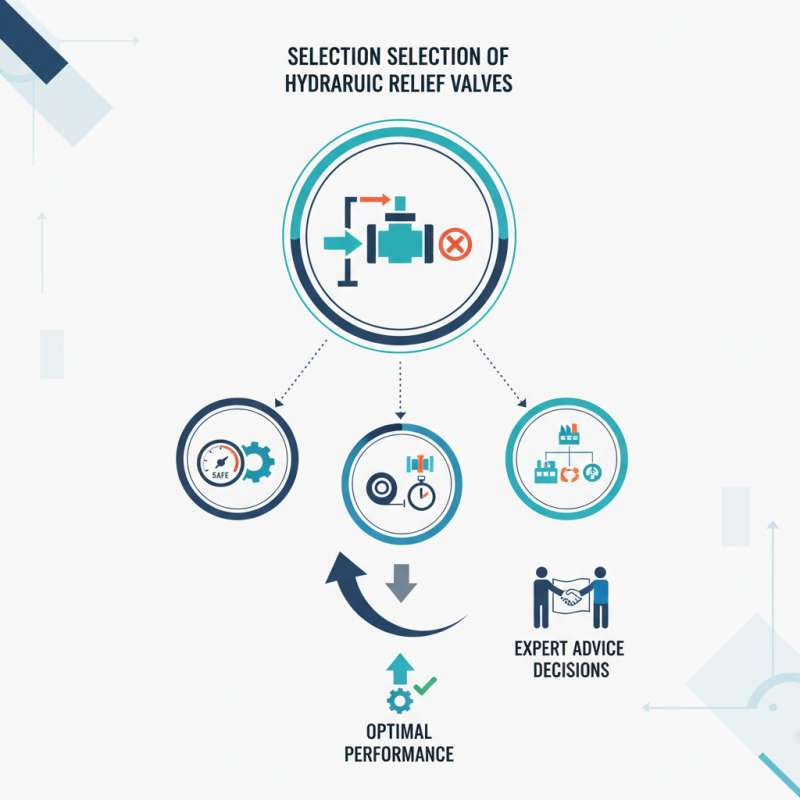
Table of Contents
[Hide]
Hydraulic Relief Valve Basics: Understanding Function and Importance
Hydraulic relief valves play a crucial role in system safety. These valves regulate pressure, preventing damage to equipment. When pressure exceeds a set limit, the valve opens. This action releases excess fluid, maintaining safe operating levels. Understanding their design and function is vital for optimal performance.
Installation of a hydraulic relief valve requires careful consideration. Factors such as pressure settings and flow rates are essential. A valve that does not meet these requirements can cause system failure. It's common to overlook maintenance, which can lead to issues. Regular inspections can identify leaks and malfunctions early.
Selecting the right valve is not straightforward. It requires balancing performance with system demands. Potential users often misjudge pressure settings, leading to inefficiencies. Choosing the wrong size can cause pressure spikes. These require continuous monitoring, adding complexity to operations. Adapting to specific needs is crucial for maintaining performance.
Related Posts
-

Understanding the Importance of Hydraulic Flow Control Valves in Modern Industrial Applications
-

Understanding Pressure Control Valves: Types, Functions, and Applications
-

Why You Should Invest in a Hydraulic Unit for Efficient Machinery Operation
-
10 Essential Tips for Choosing the Right Hydraulic Relief Valve
-
How to Choose the Right Hydraulic Unit for Your Needs?
-
2026 Best Relief Valve Options for Optimal Performance and Safety