


- Home
- A-Z Catalogue
- Products
- Valves
- Cetop
- Manual Directional Valves
- Proportional Valves
- Poppet Valves
- High-Speed Linear Servo Valves
- All High-Speed Linear Servo Valves
- Cetop 10 (NG32) Two Stage Type High Speed Linear Servo Valves – LSVHG-10
- Cetop 10 (NG32) Two Stage Type High Speed Linear Servo Valves – LSVHG-10 (With Fail-Safe)
- Cetop 8 (NG25) Two Stage Type High Speed Linear Servo Valves – LSVHG-06
- Cetop 8 (NG25) Two Stage Type High Speed Linear Servo Valves – LSVHG-06 (With Fail-Safe)
- Cetop 7 (NG16) Two Stage Type High Speed Linear Servo Valves – LSVHG-04
- Cetop 7 (NG16) Two Stage Type High Speed Linear Servo Valves – LSVHG-04 (With Fail-Safe)
- Cetop 5 (NG10) Direct Type High Speed Linear Servo Valves – LSVG-03
- Cetop 5 (NG10) OBE Type Direct Operated Linear Servo Valves – LSVG-03-EH
- Cetop 3 (NG6) OBE Type Direct Operated Linear Servo Valves – LSVG-01-EH
- Pumps
- Pressure control
- Flow Control Valves
- Pressure Control Valves
- All Pressure Control Valves
- Brake Valves
- Direct Relief Valve
- Low Noise Solenoid Controlled Relief Valves
- Low Noise Pilot Operated Relief Valves
- Pilot Operated Relief Valves
- Pressure reducing and relieving valves
- Pressure reducing and check valves
- Pressure control valves
- Remote Control Relief Valves
- Solenoid Controlled Relief Valves – BSG
- Solenoid Controlled Relief Valves – BST
- Unloading relief valves
- Check valves
- Environmental
- Valves
- Hydraulic Systems
- Power pack
- About Us
- Contact
- Blog

How to Choose the Right Hydraulic Unit for Your Needs?
Choosing the right hydraulic unit is crucial for efficiency and performance in various applications. A recent report by the Hydraulic Institute highlights that over 30% of equipment failures are linked to improper hydraulic system selection. This alarming statistic underscores the need for careful consideration when selecting a hydraulic unit.
Experts in the field emphasize this point. John Smith, a hydraulic systems engineer with over 20 years of experience, states, “Selecting the right hydraulic unit can save time, reduce costs, and increase productivity.” His insights remind us that the right choice impacts not only performance but also long-term operational reliability.
When evaluating options, the specific requirements of your application must guide your decision. Consider factors like pressure rating, flow rate, and environmental conditions. Balancing these elements can be a challenge, often leading to setbacks if overlooked. Thus, reflecting on your unique needs is essential.
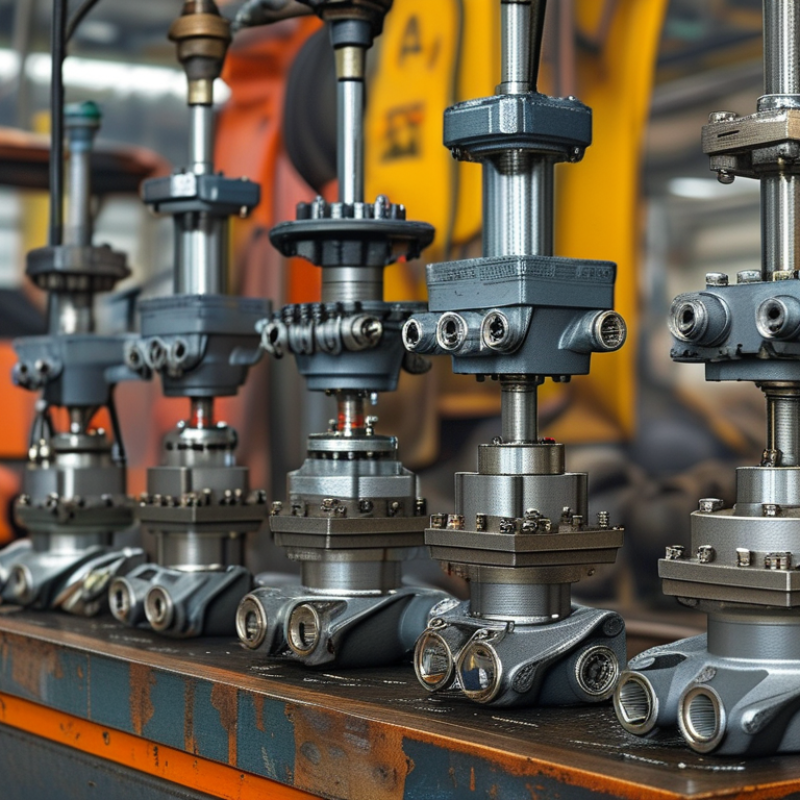
Table of Contents
[Hide]
Understanding Hydraulic Units: Types and Applications
Hydraulic units are crucial in various industries, from construction to manufacturing. They convert mechanical energy into hydraulic energy, enabling powerful and precise operations. Understanding the types of hydraulic units is vital for selecting the right one for specific applications. For example, fixed displacement pumps, widely used in industrial settings, maintain a constant flow rate regardless of pressure. In contrast, variable displacement pumps adjust flow based on system demands, making them versatile for variable load applications.
The applications of hydraulic units vary significantly. In mobile equipment, hydraulic systems are essential for lifting and steering mechanisms. A report by the International Fluid Power Society noted that approximately 70% of all hydraulic systems used in mobile machines rely on hydraulic units. Additionally, hydraulic presses are commonly found in manufacturing, offering immense pressure capabilities for metal forming processes. The selection of hydraulic units should consider factors such as flow rate, pressure requirements, and application specifics.
While precision is vital, users often overlook maintenance. Neglecting regular checks can lead to system failures, resulting in costly downtimes. Many operators do not track fluid quality, which is critical for system longevity. Reports indicate that 30% of hydraulic failures stem from contaminated fluids. Addressing these issues proactively can enhance performance and reliability, making the choice of hydraulic unit even more critical in ensuring operational success.
Related Posts
-
Essential Tips for Choosing the Right Hydraulic Unit?
-
What is a Hydraulic Power Pack and How Does it Work?
-
How to Choose the Right Hydraulic Unit for Your Needs?
-
How to Choose the Right Hydraulic Power Pack for Your Needs?
-

Top 10 Hydraulic System Innovations Transforming China Industries?
-
Hydraulic System Tips for Efficient Performance and Maintenance?