


- Home
- A-Z Catalogue
- Products
- Valves
- Cetop
- Manual Directional Valves
- Proportional Valves
- Poppet Valves
- High-Speed Linear Servo Valves
- All High-Speed Linear Servo Valves
- Cetop 10 (NG32) Two Stage Type High Speed Linear Servo Valves – LSVHG-10
- Cetop 10 (NG32) Two Stage Type High Speed Linear Servo Valves – LSVHG-10 (With Fail-Safe)
- Cetop 8 (NG25) Two Stage Type High Speed Linear Servo Valves – LSVHG-06
- Cetop 8 (NG25) Two Stage Type High Speed Linear Servo Valves – LSVHG-06 (With Fail-Safe)
- Cetop 7 (NG16) Two Stage Type High Speed Linear Servo Valves – LSVHG-04
- Cetop 7 (NG16) Two Stage Type High Speed Linear Servo Valves – LSVHG-04 (With Fail-Safe)
- Cetop 5 (NG10) Direct Type High Speed Linear Servo Valves – LSVG-03
- Cetop 5 (NG10) OBE Type Direct Operated Linear Servo Valves – LSVG-03-EH
- Cetop 3 (NG6) OBE Type Direct Operated Linear Servo Valves – LSVG-01-EH
- Pumps
- Pressure control
- Flow Control Valves
- Pressure Control Valves
- All Pressure Control Valves
- Brake Valves
- Direct Relief Valve
- Low Noise Solenoid Controlled Relief Valves
- Low Noise Pilot Operated Relief Valves
- Pilot Operated Relief Valves
- Pressure reducing and relieving valves
- Pressure reducing and check valves
- Pressure control valves
- Remote Control Relief Valves
- Solenoid Controlled Relief Valves – BSG
- Solenoid Controlled Relief Valves – BST
- Unloading relief valves
- Check valves
- Environmental
- Valves
- Hydraulic Systems
- Power pack
- About Us
- Contact
- Blog

Essential Tips for Choosing the Right Hydraulic Unit?
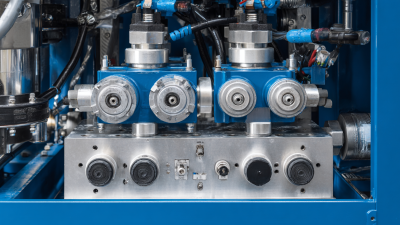
Choosing the right hydraulic unit is crucial for optimal machinery performance. Hydraulic units power various applications, from construction equipment to automotive systems. A well-chosen unit can enhance efficiency and prevent costly downtime.
When selecting a hydraulic unit, consider the required pressure and flow rate. Assess the environment where it will operate. Is it prone to extreme temperatures or dust? These factors influence unit performance. It's important to seek professional advice if you're uncertain.
Manufacturers provide specifications, but not all units are the same. Some brands offer more reliability than others. Researching model reviews can save you from mistakes. Many users have regretted rash decisions. Take your time to explore options. A hydraulic unit is an investment in your machinery's future.
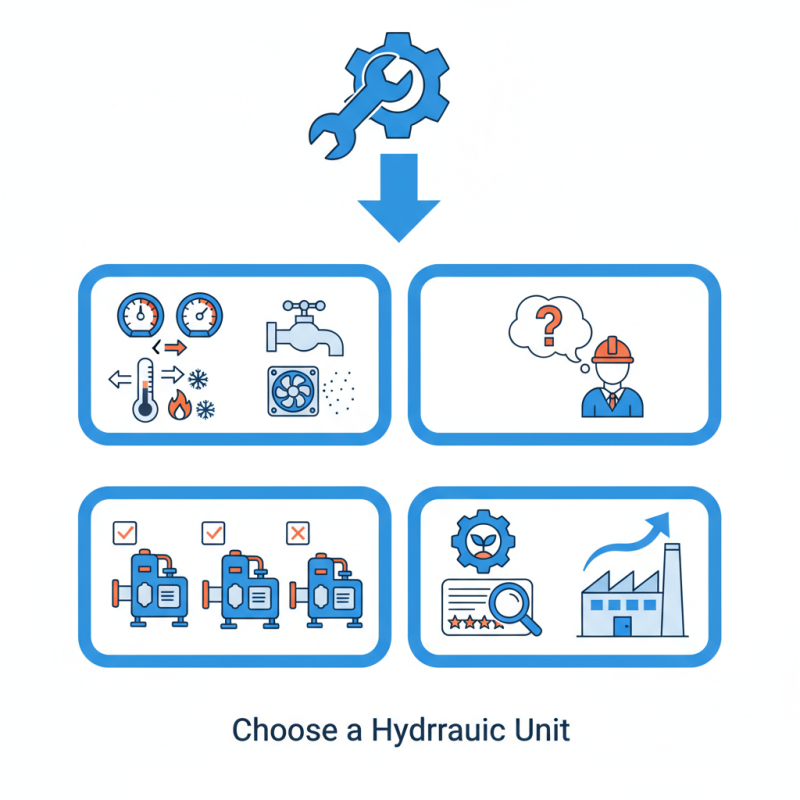
Table of Contents
[Hide]
Understanding the Basics of Hydraulic Units and Their Applications
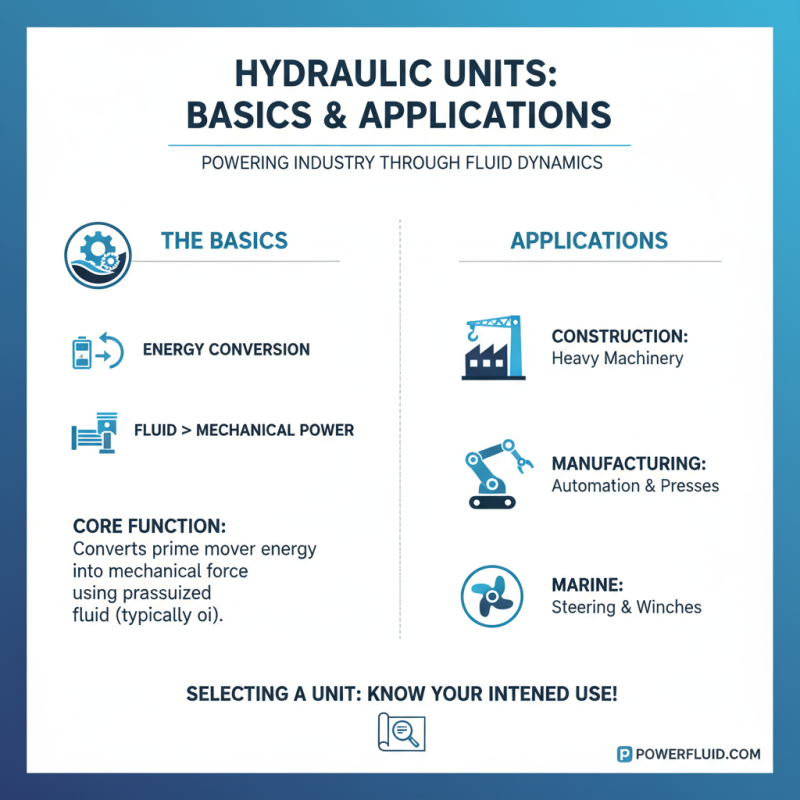
When selecting a hydraulic unit, understanding the basics is essential. Hydraulic units convert energy into mechanical power through fluid dynamics. They are vital in various applications, from construction to manufacturing. Knowing the intended use of the unit helps narrow down your options.
Consider the power requirements. Assess the force and speed needed for your tasks. Look for a unit that matches these specifications. Be cautious; overestimating can lead to inefficiency. Also, evaluate the environment where the unit will operate. Factors like temperature, exposure to elements, and maintenance accessibility matter.
One tip is to prioritize reliability. Choose units with a proven track record in their application. Reading reviews helps, but firsthand experience or expert guidance is even better. Another tip involves the pricing structure. Sometimes, the lowest price isn’t the best deal. Balance cost with long-term performance. Investing in quality often pays off in lower maintenance and downtime. Proper selection requires thought and sometimes, rethinking initial choices.
Related Posts
-
How to Choose the Right Hydraulic Unit for Your Needs?
-

10 Essential Tips for Maintaining an Efficient Hydraulic System
-

Top Hydraulic Unit Trends to Watch in 2025 for Optimal Performance
-

Why You Should Invest in a Hydraulic Unit for Efficient Machinery Operation
-
The Essential Guide to Understanding Hydraulic Power Packs in Industrial Applications
-

Understanding the Importance of Hydraulic Flow Control Valves in Modern Industrial Applications