


- Home
- A-Z Catalogue
- Products
- Valves
- Cetop
- Manual Directional Valves
- Proportional Valves
- Poppet Valves
- High-Speed Linear Servo Valves
- All High-Speed Linear Servo Valves
- Cetop 10 (NG32) Two Stage Type High Speed Linear Servo Valves – LSVHG-10
- Cetop 10 (NG32) Two Stage Type High Speed Linear Servo Valves – LSVHG-10 (With Fail-Safe)
- Cetop 8 (NG25) Two Stage Type High Speed Linear Servo Valves – LSVHG-06
- Cetop 8 (NG25) Two Stage Type High Speed Linear Servo Valves – LSVHG-06 (With Fail-Safe)
- Cetop 7 (NG16) Two Stage Type High Speed Linear Servo Valves – LSVHG-04
- Cetop 7 (NG16) Two Stage Type High Speed Linear Servo Valves – LSVHG-04 (With Fail-Safe)
- Cetop 5 (NG10) Direct Type High Speed Linear Servo Valves – LSVG-03
- Cetop 5 (NG10) OBE Type Direct Operated Linear Servo Valves – LSVG-03-EH
- Cetop 3 (NG6) OBE Type Direct Operated Linear Servo Valves – LSVG-01-EH
- Pumps
- Pressure control
- Flow Control Valves
- Pressure Control Valves
- All Pressure Control Valves
- Brake Valves
- Direct Relief Valve
- Low Noise Solenoid Controlled Relief Valves
- Low Noise Pilot Operated Relief Valves
- Pilot Operated Relief Valves
- Pressure reducing and relieving valves
- Pressure reducing and check valves
- Pressure control valves
- Remote Control Relief Valves
- Solenoid Controlled Relief Valves – BSG
- Solenoid Controlled Relief Valves – BST
- Unloading relief valves
- Check valves
- Environmental
- Valves
- Hydraulic Systems
- Power pack
- About Us
- Contact
- Blog

How to Choose the Right Hydraulic Valve in 2026?
Choosing the right hydraulic valve in 2026 requires more than matching pressure and port size. Hydraulic systems now support excavators, factory robots, agricultural machinery, and energy equipment. Each application demands different control behavior, safety margins, and maintenance access. Grand View Research estimated the global hydraulic equipment market at approximately US$49.5 billion in 2023. Its market analysis also forecasts continued growth through 2030. MarketsandMarkets identifies construction, agriculture, and material handling as important demand sectors. These trends increase pressure on engineers to select reliable components quickly. Yet speed can create expensive mistakes.
A suitable hydraulic valve must match flow rate, operating pressure, fluid type, temperature, response time, and installation conditions. A compact directional valve may fit a crowded manifold. A proportional valve may deliver smoother cylinder movement. An unsuitable spool design can cause heat, noise, or unstable motion. Small details matter. ISO 4413 provides widely recognized safety principles for hydraulic fluid power systems. The NFPA also emphasizes proper selection, installation, contamination control, and testing. Manufacturer data sheets remain essential, but they do not replace field experience. Dust, cold starts, pressure spikes, and irregular servicing can change actual performance. Engineers sometimes over-specify a valve because uncertainty feels safer. That approach can increase cost and reduce efficiency. A careful selection process should compare lifecycle value, not purchase price alone. This guide explains how to evaluate each factor and avoid common selection traps. Some decisions will still require compromise. That is normal. The goal is a hydraulic valve that performs consistently, remains serviceable, and supports safer equipment throughout its working life.
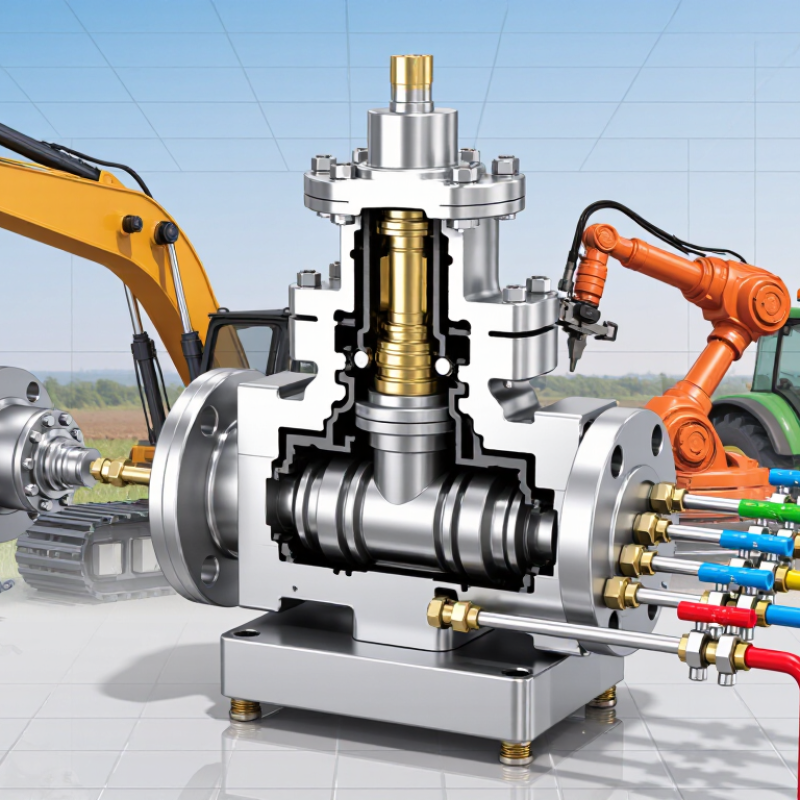
Table of Contents
[Hide]
Hydraulic Valve Basics: Functions, Types, and Operating Principles
Hydraulic valves control, direct, and regulate pressurized fluid. A pump creates flow, while the valve decides where that flow travels. Pressure is force per area, and flow rate influences actuator speed. This relationship matters. A valve can look correctly sized yet overheat a machine when pressure drops are ignored.
Directional valves use spool or poppet elements to route oil between ports. Check valves permit flow in one direction and block reverse movement. Relief valves protect circuits by opening when pressure reaches a set limit. Flow-control valves restrict passage area, adjusting cylinder or motor speed. Proportional valves provide variable control through an electrical signal. Servo valves respond more precisely, but they demand cleaner oil and careful tuning. Small differences matter.
When choosing a valve in 2026, match its pressure, flow, port size, fluid, and duty cycle. Read the circuit diagram before comparing catalog figures. Check actual operating pressure, including spikes during sudden stops. For connected equipment, verify sensor and controller compatibility. Field reports often link contamination with sticking before mechanical wear appears. Use filtration, suitable seals, and accessible test points. Do not rely on maximum ratings alone. A compact valve may perform well at low flow, then respond poorly during cold starts. That possibility deserves honest review. Temperature, response time, noise, maintenance access, and fail-safe behavior also require attention.
Related Posts
-
2026 Top Yuken Valve Types for Global Buyers?
-
Understanding the Role of Hydraulic Valves in Modern Industrial Applications
-

2026 How to Choose a Hydraulic Relief Valve for Optimal Performance?
-
2026 Best Relief Valve Options for Optimal Performance and Safety
-
Top 10 Relief Valves in China for Global Buyers?
-
10 Relief Valve Buying Tips for Global Buyers





